




A Tradition of Winter Warmth
Across India, the arrival of winter signals a shift in our diet towards foods that provide warmth and sustained energy. Traditional wisdom, often rooted in Ayurveda, champions ingredients that naturally heat the body to help it cope with lower temperatures.
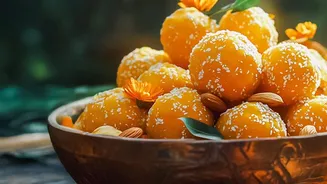
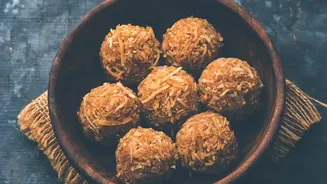
Ladoos, the beloved spherical sweets, are a cornerstone of this seasonal shift. Far from being mere indulgences, winter ladoos are crafted to be nourishing. Made in batches to last through the season, they are a comforting sight in steel dabbas, ready for a morning energy boost or an evening snack with chai. The combination of ingredients like sesame (til), peanuts (moongphali), and jaggery (gur) is not accidental; it's a time-tested formula for wellness and comfort.
The Power of Sesame and Jaggery
Sesame seeds, or til, are almost synonymous with Indian winters, and for good reason. Ayurveda classifies them as 'Ushna,' or warming, making them ideal for generating internal heat. They are a powerhouse of nutrients, packed with calcium, iron, magnesium, healthy fats, and protein. This nutritional profile helps in maintaining bone density and boosting immunity during colder months when illnesses are more common. When combined with jaggery, an unrefined sugar rich in iron and antioxidants, the benefits multiply. Jaggery provides a clean energy boost and aids digestion. This classic pairing is central to festivals like Makar Sankranti, celebrated with the saying, "Til, gud ghya ni god god bola"—eat sesame and jaggery and speak sweet words.
Simple Sesame Ladoo (Til Ladoo) Recipe
This recipe uses just a few pantry staples and comes together quickly. The key is to work with the mixture while it's still warm. Ingredients: - 1 cup white sesame seeds (til) - 3/4 cup grated or powdered jaggery (gur) - 1 tablespoon ghee (clarified butter), plus extra for greasing hands - 1/4 teaspoon cardamom powder (elaichi) (optional) Instructions: 1. First, dry roast the sesame seeds in a heavy-bottomed pan on low to medium heat. Stir continuously for 4-5 minutes until they become fragrant, turn a light golden brown, and start to pop or sizzle. Be careful not to over-roast them, as they can turn bitter. Immediately transfer them to a plate to cool. 2. Once cooled, you can choose your texture. For a coarser, more traditional ladoo, leave the seeds whole. For a softer bite, grind about half the seeds into a coarse powder. 3. In the same pan, melt the ghee over low heat. Add the jaggery and stir until it melts completely and starts to bubble slightly. 4. Turn off the heat. Immediately add the roasted sesame seeds (whole and/or ground) and cardamom powder to the melted jaggery. Mix everything thoroughly until well combined. 5. Let the mixture cool for just a couple of minutes until it is warm enough to handle. Grease your palms with a little ghee, take small portions of the mixture, and roll them firmly between your palms to form round ladoos.
Effortless Peanut Ladoo (Shengdana Ladoo) Recipe
Even simpler than its sesame counterpart, this ladoo is often made with just two main ingredients. The natural oils from the peanuts help bind it together. Ingredients: - 1 cup raw peanuts (moongphali or shengdana) - 3/4 cup grated or powdered jaggery (gur) - 1/2 teaspoon cardamom powder (elaichi) (optional) Instructions: 1. Heat a thick-bottomed pan and dry roast the raw peanuts on low to medium heat. Keep stirring until they are crunchy and the skins start to blister and come off easily. To check if they are done, cool one or two and taste them—they should not have any rawness. 2. Let the peanuts cool down completely. Once cool, rub them between your palms or with a cloth to remove the papery skins. 3. Transfer the skinned peanuts to a grinder. Pulse a few times to create a coarse powder. Be careful not to over-grind, or you will end up with peanut butter. 4. Add the jaggery and cardamom powder to the ground peanuts in the grinder. Pulse again until the mixture is well combined and starts to clump together. The warmth from grinding and the natural oils from the peanuts should be enough to bind the ladoos. 5. Transfer the mixture to a bowl. Take small portions and press them firmly into ladoos. If the mixture feels too dry, you can grind it for a few more seconds or add a teaspoon of warm ghee.
Storage and Serving Tips
One of the best qualities of these pantry-ingredient ladoos is their long shelf life. To ensure they stay fresh, allow them to cool completely before storing. Place them in a clean, dry, airtight container. Using parchment or butter paper between layers can prevent them from sticking. Stored this way at room temperature in a cool, dry place away from direct sunlight, these ladoos will easily last for two to three weeks, though their deliciousness means they are often finished much sooner.