







More Than Just Mixed Rice
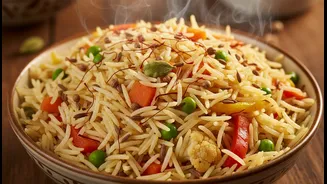
First, let's clear up a common misconception: vegetable biryani is not simply a fancy pulao. While both are beloved rice-based dishes, their preparation methods are worlds apart. A pulao is typically a one-pot affair where rice, vegetables, and mild spices
are cooked together from the start. The result is comforting and delicious, but relatively uniform in taste and texture. Biryani, on the other hand, is a far more intricate process. Its essence lies in separate preparation and deliberate assembly. The rice and vegetables are cooked independently before being brought together in meticulously arranged layers. This fundamental difference in technique is what elevates biryani from a simple dish to an elaborate culinary creation.
The Foundation of Flavour
The complexity begins with the vegetables. They aren't just boiled or sautéed; they are often marinated and cooked into a rich, spicy gravy. This base layer is packed with a robust blend of ingredients. A typical marinade might start with yogurt, which tenderises the vegetables and provides a tangy base. To this, a potent paste of ginger and garlic is added, followed by a symphony of powdered spices: turmeric for its earthy colour, red chilli powder for heat, and a generous amount of a complex biryani masala blend. This mixture is slowly cooked until the oils separate, creating a concentrated gravy that will become the flavour-packed heart of the final dish.
An Aromatic Rice Canvas
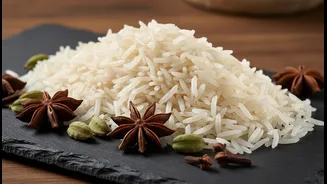
The rice in a biryani is never just a plain, starchy filler. Long-grain basmati rice is carefully selected for its fragrance and ability to remain separate when cooked. It isn't cooked fully but is par-boiled, a crucial step that prevents it from turning mushy during the final stage of cooking. More importantly, the water used to boil the rice is infused with its own set of aromatic whole spices. It's common to find bay leaves, cloves, cinnamon sticks, and green or black cardamom pods swimming alongside the rice grains. This process perfumes each grain, turning the rice from a neutral canvas into a fragrant, flavourful component in its own right, ready to absorb the richness of the other layers.
The Art of Assembly
With the components prepared, the true artistry of biryani begins: layering. In a heavy-bottomed pot, known as a handi, the dish is assembled like a delicious puzzle. A layer of par-cooked rice goes down first, followed by a generous spread of the vegetable gravy. On top of this, a shower of fresh herbs like chopped mint and coriander leaves is added for brightness. Another essential element is birista, or crispy fried onions, which contribute a deep, sweet, and caramelised flavour. This sequence of rice, gravy, and herbs is repeated, creating distinct strata of taste and texture. The final flourish often involves drizzling saffron-infused milk over the top layer of rice, which imparts a beautiful colour and a luxurious aroma.
The Final Magic of 'Dum Pukht'
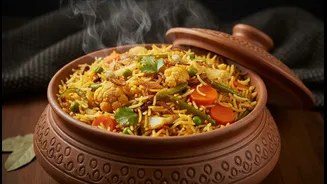
The last step is what truly sets biryani apart: the 'dum pukht' method. The term, derived from Persian, means to 'breathe and cook'. The lid of the handi is sealed tightly, traditionally with a ring of dough, to trap all the steam inside. The pot is then placed on a very low flame and cooked slowly. This gentle, pressurised steaming allows the distinct layers to meld. The fragrant rice absorbs the flavours from the vegetable gravy below, while the aromas from the saffron and herbs permeate the entire dish. This slow-cooking magic matures the flavours, creating a final product that is far greater than the sum of its parts. When the seal is finally broken at the table, a cloud of aromatic steam is released, heralding the spectacular meal to come.