





A Monumental Leap in Global Prestige
In a major affirmation of its enduring legacy, the Taj Mahal Palace in Mumbai has secured the No. 30 spot on The World's 50 Best Hotels 2026 list. This represents a notable climb of eight positions from its previous rank of No. 38, making it the only
Indian property to feature in the coveted top 50 this year. The announcement, made at a ceremony in Paris, places the century-old hotel among the most elite hospitality destinations on the planet. The annual ranking is compiled from the votes of over 800 international experts, including travel journalists, hoteliers, and seasoned luxury travellers, making this recognition a true benchmark of global excellence. The list's organisers lauded the hotel as a “Mumbai icon” celebrated for its grandeur, design, and impeccable hospitality.
More Than Just a Hotel
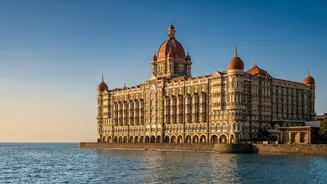
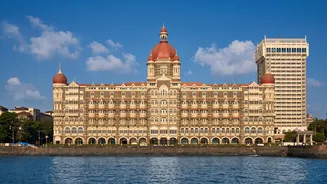
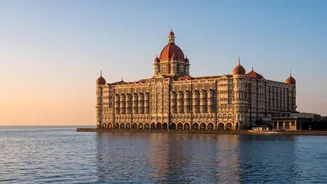
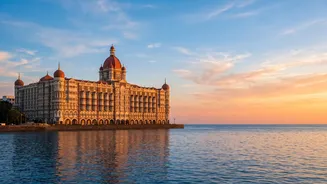
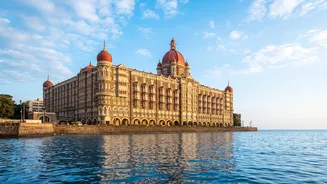
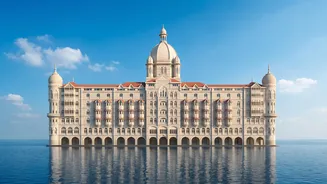
Opened in 1903 by industrialist Jamsetji Tata, The Taj Mahal Palace is more than just a place to stay; it is a cornerstone of Mumbai's identity. Standing majestically opposite the Gateway of India, its Indo-Saracenic architecture has dominated the Colaba skyline for over a century, a silent witness to the city's evolution. The hotel was born from a vision to give Mumbai a landmark that would rival the great hotels of Europe and America. For 122 years, it has hosted royalty, world leaders, and celebrities, weaving itself into the fabric of India's cultural and political history. This latest accolade is not just for a building, but for a living institution that embodies the spirit and history of Mumbai.
The Secret Ingredient: 'Tajness'
What propels a heritage hotel to consistently rank among the world's best? The answer may lie in what the Taj group calls 'Tajness'—a philosophy of service that goes beyond standard luxury. It's an ethos rooted in India's ancient tradition of 'Atithi Devo Bhava' (The guest is God), where hospitality is intuitive, personal, and deeply heartfelt. This commitment is what allows the hotel to blend its old-world charm, seen in its grand corridors and period artwork, with the demands of the modern luxury traveller. While the architecture impresses, it is the staff’s ability to deliver exceptionally personalised service that creates lasting affinity with guests and voters on the 50 Best panel. This human touch, combined with timeless luxury, continues to set it apart.
A Beacon of Resilience
The hotel's story is also one of profound resilience. The 2008 terror attacks left scars on the city and the hotel, but its swift and graceful restoration turned it into a powerful symbol of Mumbai's unyielding spirit. The determination to rebuild and welcome guests back with the same warmth and dignity cemented its place in the hearts of Mumbaikars and admirers worldwide. This history of overcoming adversity adds a layer of emotional depth to its identity, making it not just a landmark of luxury, but a beacon of strength and hope. Its continued success on global platforms is a tribute to that resilience.
Indian Hospitality on the World Map
While the Taj Mahal Palace was the sole Indian representative in the top 50, its success shines a light on the country's growing stature in global hospitality. Two other Indian properties, The Johri in Jaipur and The Oberoi Udaivilas in Udaipur, were featured in the extended 51-100 list, signalling a broader recognition of India's unique hotel experiences. The top of the 2026 list was dominated by Asian properties, with Rosewood Hong Kong taking the No. 1 spot for the second year in a row, followed by two hotels in Bangkok. This trend underscores a global shift in luxury travel, where the rich heritage and distinct service philosophies of Asian hotels are increasingly setting the standard for excellence worldwide.