
A Seat of Empire and Rebellion
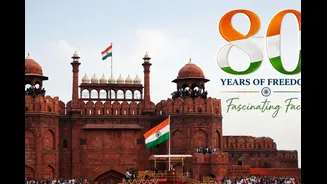
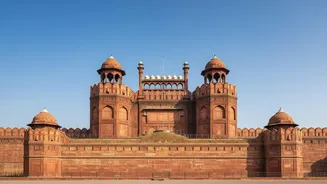
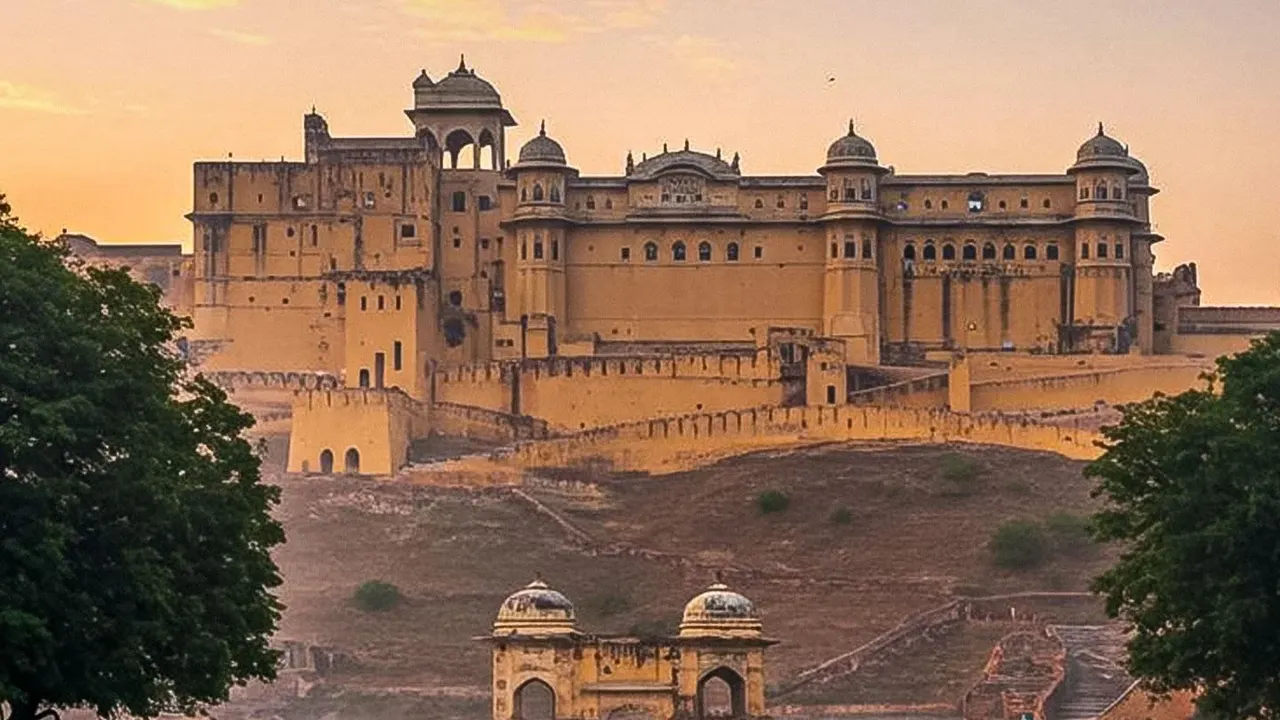
Long before it became a symbol of independent India, the Lal Qila, or Red Fort, was the heart of Mughal power. Commissioned by Emperor Shah Jahan in the 17th century, its imposing red sandstone walls enclosed a city within a city, the epicentre of an empire.
For nearly 200 years, it was the primary residence of the Mughal emperors, a spectacular symbol of their authority and architectural grandeur. However, its role as a seat of power also made it a target. Following the 1857 Revolt, the fort became a stage for British retribution. The last Mughal Emperor, Bahadur Shah Zafar, who had been declared the leader of the rebellion, was tried for treason within its walls. This act transformed the fort from a symbol of Indian authority into one of colonial subjugation.
Reclaiming a National Symbol
The memory of the Red Fort as a site of both past glory and colonial humiliation was potent in the minds of India's freedom fighters. The highly publicised trials of Indian National Army (INA) officers held at the fort in the mid-1940s had already cemented it as a symbol of resistance against British rule. So, when India gained its independence, the choice of a venue for the first celebratory flag hoisting was deeply symbolic. On August 15, 1947, India’s first Prime Minister, Jawaharlal Nehru, raised the tricolour above the Lahori Gate. This act was not merely ceremonial; it was a powerful statement of reclamation. By choosing the very site where the last emperor was deposed and where freedom fighters were tried, Nehru symbolically reclaimed the fort—and by extension, India's sovereignty—for its people.
More Than Just a Stage
The annual address is a carefully choreographed event, and the fort is its most important character. The speech is delivered from the ramparts, an elevated platform that creates a powerful image of a leader addressing their people directly. The backdrop of the magnificent structure, a designated UNESCO World Heritage Site, lends a sense of historical continuity and gravitas to the Prime Minister's words. The visual is undeniable: the leader of a modern, democratic nation speaking from a bastion of ancient power, asserting a new kind of authority. It visually connects the government's contemporary policies and future aspirations with the long arc of Indian history. The tradition has become an inseparable part of Independence Day, a political and cultural ritual that reinforces national pride and identity.
A Platform for a Modern Nation
While the setting is historic, the speech from the Red Fort is a profoundly modern exercise in communication. It is a moment when the head of government bypasses parliament to speak directly to the citizens of India. Over the decades, Prime Ministers have used this unique platform to outline their government's achievements, address pressing national issues, and share their vision for the country's future. From Nehru's early speeches about building a new nation to the contemporary focus on development and policy, the address has evolved into an annual report card and mission statement. It is a tradition that, while rooted in the past, is entirely focused on the present and future, serving as a yearly renewal of the nation's pledges and goals in the shadow of its own history.