

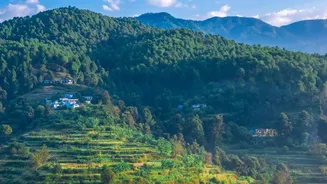
The Journey from Dirang Valley
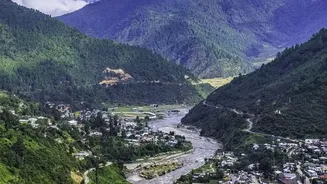
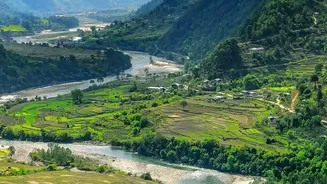
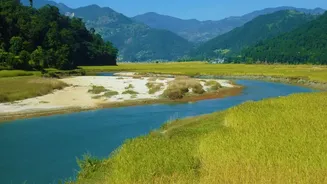
The adventure begins in Dirang, a serene valley town that has long served as a tranquil stopover for travellers heading towards Tawang. Situated at an elevation of around 4,900 feet, Dirang is surrounded by lush forests and the Kameng River, offering
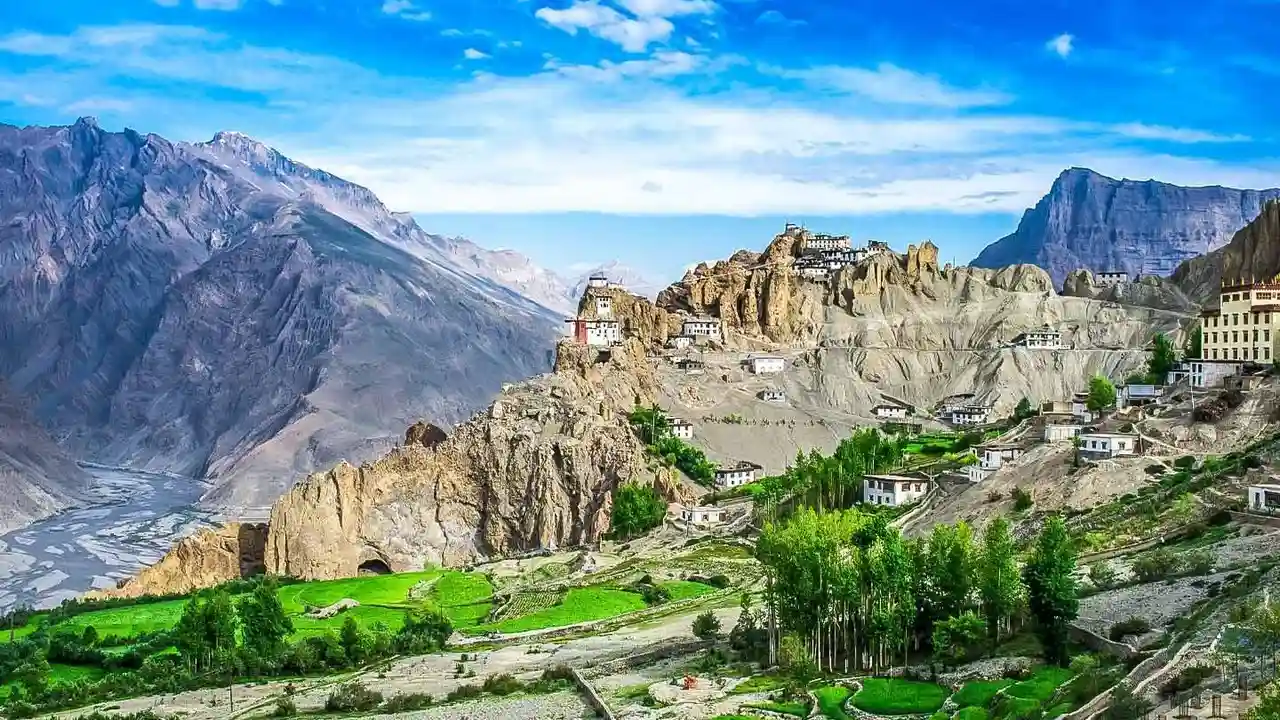
pleasant weather and a peaceful atmosphere to acclimatise before ascending higher. Key attractions like the historic Dirang Dzong, a centuries-old Monpa fort-village, and local hot springs provide a glimpse into the region's culture and natural charm. It’s the perfect place to pause and prepare for the dramatic landscapes that lie ahead on the road to Mago. The journey from here only goes up, climbing steadily towards some of the highest motorable passes in the region.
Ascending Through Sela Pass and Jung
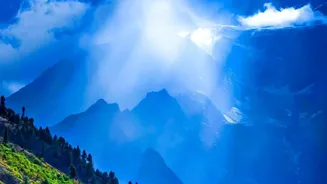
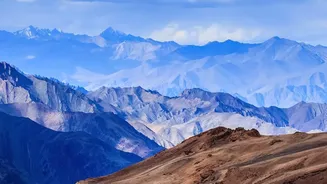
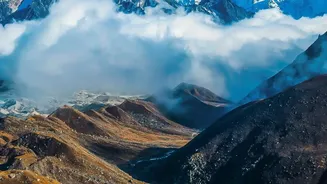
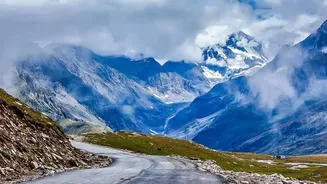
Leaving Dirang, the road begins its breathtaking ascent towards Sela Pass, which sits at an altitude of over 13,000 feet. The drive itself is a highlight, with well-maintained roads courtesy of the Border Roads Organisation (BRO) making the climb comfortable. The landscape transforms from green valleys to rugged, alpine terrain, often covered in snow depending on the season. The pass is dotted with crystal-clear glacial lakes that perfectly mirror the surrounding peaks on calm days. After crossing the pass, the route descends towards the town of Jung, home to one of Arunachal's most spectacular waterfalls. This powerful cascade is a popular stop before the final, more remote leg of the journey begins, taking you alongside a rushing river into the heart of the mountains.
Into the Wild: The Final Stretch to Mago
The road from Jung to Mago is where the trip truly feels like an expedition into an untouched frontier. This newly constructed stretch, part of the strategic Arunachal Frontier Highway, has only recently made the remote village of Mago accessible by vehicle. Before this road, reaching Mago required days of arduous trekking. Today, a 4WD vehicle is still highly recommended for this leg of the journey, which takes about four to five hours from Tawang. The road, carved into cliff faces and running through C-shaped rock tunnels, follows the Mago Chu river through a narrow gorge. This dramatic feat of engineering offers raw, unfiltered views of a landscape that few have seen, making the drive itself a primary attraction.
Mago: A World of Its Own
Mago is not a typical tourist destination; it's a remote village at nearly 11,500 feet, home to the Monpa community of yak herders. The village sits near the confluence of three rivers and is surrounded by raw, towering peaks. Life here is deeply connected to the land and Tibetan Buddhist traditions. The main draw for many visitors is the nearby Chumi Gyatse waterfalls, a collection of 108 sacred cascades located just a few hundred meters from the India-China border. According to legend, these falls were created when Guru Padmasambhava threw his 108-bead rosary against the rock face. The site is deeply spiritual, offering a sense of profound peace and a connection to ancient beliefs. Natural hot springs in the area add another layer of allure to this remote sanctuary.
Essential Trip Planning
Planning is crucial for this trip. The best time to visit is from March to June for pleasant weather and blooming rhododendrons, or from September to November for clear skies post-monsoon. An Inner Line Permit (ILP) is mandatory for all Indian citizens to enter Arunachal Pradesh, which can be easily applied for online. Foreign nationals require a Protected Area Permit (PAP). Given the proximity to the international border, be prepared for multiple army checkpoints where you'll need to present physical copies of your permits and ID. Accommodation in Mago is limited to basic government guesthouses and homestays, so booking in advance through a local operator is wise. Most travellers undertake the journey from Tawang as a long day trip, a 12-hour commitment, so starting early is key.