








The Sweet Rush of Celebration
In India, festivals like Navratri and Diwali are synonymous with family gatherings and an abundance of food, especially sweets. Milk-based delicacies such as 'khoya' (milk solids), 'paneer' (a fresh cheese), and 'ghee' (clarified butter) are central to
the culinary traditions of this period. The demand for these items skyrockets, placing immense pressure on a complex and often fragmented supply chain. This annual surge creates a lucrative opportunity for unscrupulous producers to cut corners, mixing authentic ingredients with cheaper, and sometimes dangerous, substitutes to maximize profits.
A Market for Deception
The core of the problem is economically motivated adulteration. To meet the massive spike in demand, some suppliers resort to bulking up their products with fillers. For example, khoya and paneer, essential for many sweets, are often stretched with starch, flour, or blotting paper. In more alarming cases, milk has been found to be diluted with water, urea, and even detergent to increase its volume and thickness. Ghee, a staple in Indian cooking, might be mixed with hydrogenated vegetable oils, which are high in unhealthy trans fats. These practices not only deceive consumers but also introduce significant health risks into foods that are meant to be part of a joyous celebration.
What’s Hiding in the Food?
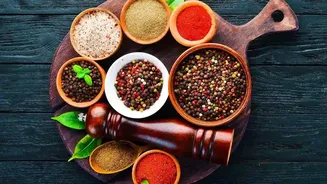
The list of common adulterants is long and deeply concerning. Spices, another festive staple, are not immune; chili powder may be mixed with brick powder, and turmeric can be tainted with lead chromate to enhance its color. The shiny silver foil, or 'vark', used to decorate sweets is sometimes replaced with cheaper aluminum foil. The health implications of consuming these substances are severe. They can range from acute gastrointestinal issues to long-term organ damage, including kidney and liver problems. Some artificial colorants and chemical contaminants are even linked to cancer and hormonal imbalances.
The Government Crackdown
In response, the Food Safety and Standards Authority of India (FSSAI) has directed authorities across all states to intensify their surveillance and enforcement efforts ahead of and during the festive season. This nationwide drive involves increased inspections, particularly at production hubs and markets identified as hotspots for adulteration. Recent raids have led to the seizure and destruction of thousands of kilograms of suspected counterfeit products. In the Delhi region alone, authorities recently destroyed over 4,100 kg of adulterated khoya and paneer, while a neighboring area saw seizures of more than 10,000 kg of fake paneer. To improve tracking and accountability, officials are now required to log all inspection and sampling data into a real-time digital system.
An Enduring Challenge
Despite these intensified efforts, food adulteration remains a persistent problem in India. The sheer scale of the country's food industry, combined with weak enforcement in some local jurisdictions and low consumer awareness, makes it a difficult issue to eradicate. The FSSAI is also deploying 'Food Safety on Wheels'—mobile testing labs—to prominent marketplaces to conduct on-the-spot tests and educate the public. This two-pronged approach of strict enforcement and consumer empowerment is aimed at building greater trust in the food supply, but the battle is far from over. Government data shows that for years, roughly one in five food samples tested annually have been found to be unsafe or substandard.