



The Dream Turning into a Nightmare
There was a time when a trip to places like Shimla, Mussoorie, or Manali promised a genuine escape from the heat and chaos of the plains. These towns, many with colonial-era architecture and quaint Mall Roads, were built as serene getaways. Today, that
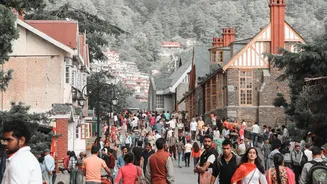
serenity is increasingly replaced by scenes of chaos. Viral videos of bumper-to-bumper traffic stretching for kilometres are now a common feature of peak tourist season. A journey that should take minutes can last hours, with tourists finding themselves in a vertical traffic jam instead of a peaceful retreat. The quiet walks through Landour that feel like a scene from a Ruskin Bond book are becoming a distant memory, lost to congestion and crowds.
Strained Resources and a Ticking Clock
The problem goes far beyond inconvenient traffic. The core infrastructure of these towns was never designed to handle the massive seasonal influx of visitors. Shimla, originally planned for about 25,000 people, now sees its population swell dramatically, leading to acute water shortages during peak tourist seasons. In some instances, the water crisis became so severe that residents launched campaigns urging tourists to stay away. Manali generates tonnes of waste daily during peak season, overwhelming local waste management systems. This immense pressure leads to overflowing garbage bins, pollution of natural springs, and an overall degradation of the environment that once drew visitors in the first place.
The Unchecked Concrete Jungle
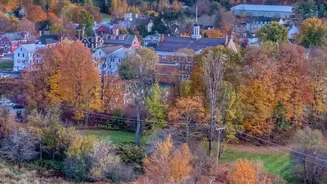
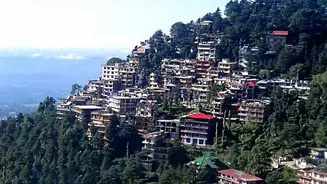
A key part of the 'lost charm' is the visual transformation of these landscapes. In response to tourist demand, haphazard and often unregulated construction has boomed. Quaint cottages and colonial buildings are being overshadowed by multi-storey concrete hotels and commercial buildings. This construction on geologically fragile slopes not only destroys the aesthetic appeal but also dangerously destabilises the hillsides, increasing the risk of landslides. The very ecosystems that make these regions unique are being compromised, with deforestation and biodiversity loss accelerating to accommodate more roads, hotels, and infrastructure.
A Complex Web of Causes
It's easy to blame tourists, but the reality is more complex. A rising middle class with disposable income, coupled with improved road connectivity and the powerful influence of social media, has made these destinations more accessible than ever. Scorching heatwaves in the plains regularly trigger a mass exodus to the mountains. For local communities, tourism is a vital source of income, creating a difficult balancing act between economic needs and environmental preservation. The underlying issue is often a failure of long-term planning and weak enforcement of regulations, where short-term economic gains are prioritised over sustainable development.
The Main Takeaway: A Path Towards Sustainability
The charm of India's hill stations isn't lost, but it is endangered. The main takeaway is that a fundamental shift is required from all stakeholders. Experts and policymakers are exploring solutions like enforcing 'carrying capacity' limits to cap the number of daily visitors, a model used successfully in other countries. Some states are experimenting with requiring e-passes for entry during peak season to monitor and control traffic. Promoting lesser-known destinations could also help distribute the tourist load. Ultimately, the solution lies in a move towards responsible and sustainable tourism, where governments enforce stricter environmental regulations and travelers become more mindful of their impact. Simple acts like carrying reusable bottles and managing waste responsibly can make a collective difference.