






What Exactly Is a Visa Bond?
Think of it as a security deposit for a visa. A visa bond is a refundable sum of money that certain applicants must pay to the US government as a condition of receiving a visitor visa. It is not a new application fee. Instead, it serves as a financial
guarantee that the traveller will adhere to the terms of their visa and, most importantly, depart the United States before their authorized stay expires. If the visitor complies with all the rules, the bond is returned. If they overstay or violate their visa conditions, they forfeit the money. While the legal authority for such bonds has existed for years, a pilot program started in 2025 brought it into wider use, and in early August 2026, the US Department of State made the program permanent.
The Official Goal: Preventing Visa Overstays
The primary justification for this policy is to combat visa overstays—when individuals remain in the country after their legal permission to stay has ended. According to the State Department, the year-long pilot program was a success in this regard. Official reports state that during the pilot, the number of overstays from the targeted countries dropped dramatically from over 45,000 in the previous fiscal year to fewer than 50. The bond amounts, set by consular officers, can range from $10,000 to $20,000. The administration sees this financial leverage as an effective tool to ensure compliance with US immigration laws and encourage foreign governments to cooperate on reducing overstay rates.
Who Does This Rule Actually Affect?
The visa bond requirement is not universal. It specifically targets applicants for B-1 (business) and B-2 (tourist) visas who are nationals of certain countries designated by the State Department. As of August 2026, this list includes 50 countries, the majority of which are in Africa, with others in Asia, the Caribbean, and Latin America. The selection is based on factors like historically high visa overstay rates and the perceived adequacy of a country's information-sharing practices with the US. The policy is applied based on nationality, not where the person lives or applies for the visa.
A Key Question for Indian Travellers
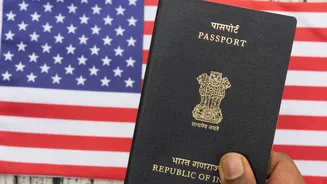
For the millions of Indians who travel to the US for tourism, business, or to visit family, the main question is whether this rule applies to them. As of early August 2026, the answer is no. India is not on the list of 50 countries subject to the visa bond program. Therefore, Indian citizens applying for a US visitor visa can continue to follow the standard application process, which includes paying the regular, non-refundable visa application fee and demonstrating their eligibility and intent to return to India. This distinction is crucial, as it means Indian travellers are not currently required to post these large financial deposits.
The Other Side of the Story
While the government touts the program's success in reducing overstays, critics point to its severe impact on travel. During the pilot program's first ten months, there was an 83% reduction in visa issuances to people from the affected nations. Furthermore, nearly half of the applicants who were asked to pay the bond ultimately chose not to proceed with their travel plans. The U.S. Travel Association has expressed significant concern, arguing that such 'blanket bonds' are an overly broad tool that deters legitimate travellers. They warn that expanding the program could have a deeply negative effect on the US tourism industry and the wider economy at a time when international travel is still recovering.
What Happens Next?
With the visa bond program now a permanent fixture, the key question is whether it will be expanded. The final rule allows the State Department to add new countries to the list with just 15 days' notice. This flexibility is a major point of concern for the travel industry and for nationals of countries not currently on the list. The debate pits the administration's focus on immigration enforcement against the economic and diplomatic benefits of facilitating international travel. The program's existence marks a significant strategic shift, making it a critical policy for potential visitors and global observers to monitor closely.