





The Great Reopening
For months, typically from June or July through September, the core zones of most of India’s major national parks and tiger reserves remain closed to the public. This annual hiatus is not arbitrary; it is an essential measure for both safety and conservation.
Monsoon rains can render the unpaved jungle tracks impassable, flooded, and dangerously slippery for safari vehicles. More importantly, the closure provides a crucial, disturbance-free period for wildlife. It is the primary breeding season for many species, and the break allows the forest ecosystem to rest and regenerate without human interference. Come October, a staggered reopening begins. Parks like Ranthambore in Rajasthan and Pench in Madhya Pradesh are often among the first to welcome visitors around October 1st. Others, such as Kanha and Bandhavgarh, typically follow by mid-October, while flood-prone parks like Kaziranga in Assam may wait until November.
A Lush and Vibrant New World
The first thing visitors notice in a post-monsoon forest is the sheer intensity of life. The landscape, parched and dusty before the rains, is now a panorama of lush greens. Every river, stream, and waterhole is brimming, replenishing the region’s lifeblood. The undergrowth is thick and dense, and the canopy is renewed, creating a multi-layered ecosystem bursting with fresh foliage, wildflowers, and fungi. This abundance is the engine that drives the next phase of forest life. The rejuvenated vegetation provides a feast for herbivores, and the plentiful water means animals are not yet concentrated in predictable spots. While this initial density can sometimes make spotting wildlife a challenge, the stunning, freshly-washed scenery provides a unique reward.
The Kingdom on the Move
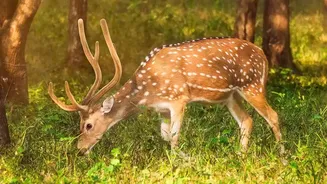
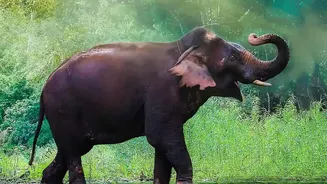
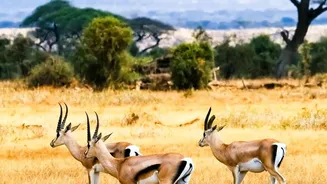
With a revitalised habitat, the animal kingdom begins to shift and stir. Herbivores that may have taken refuge in higher ground or specific monsoon-safe pockets start to disperse across the landscape. Herds of deer, gaur, and elephants are on the move, drawn to the tender new grasses and abundant water sources that are now widely available. They are no longer tethered to the few remaining waterholes of the dry season, allowing them to roam more freely. This dispersal is a critical part of the ecological cycle, as these animals graze and browse, shaping the vegetation and spreading seeds as they travel through the renewed forest.
A Predator's Recalibration
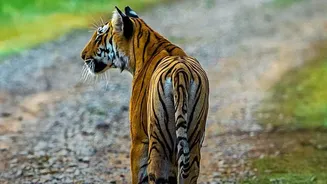
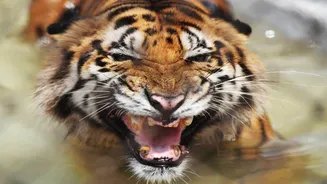
The behaviour of predators, particularly tigers, undergoes a fascinating change after the monsoon. The torrential rains wash away the scent markings—a vital form of communication used to define territories. Consequently, the post-monsoon period becomes a busy time for tigers as they patrol their boundaries, re-establishing their claims and investigating the movements of rivals. This can lead to increased activity and movement. Furthermore, with their herbivore prey now scattered across the lush landscape instead of being clustered around a few water sources, predators must also adjust their hunting strategies. They have to cover more ground, adapting to the new distribution of prey in a denser, more challenging environment.
More Than Just Mammals
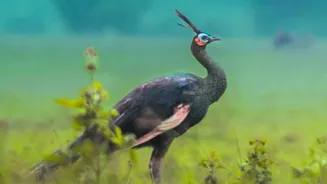
The post-monsoon transformation extends far beyond large mammals. For birdwatchers, this is a prime season, as resident birds are active in the flourishing environment and the first waves of migratory species begin to arrive for the winter. The air itself becomes a stage for remarkable natural events. For instance, the end of the rains can trigger one of the longest insect migrations on Earth, as Wandering Glider dragonflies ride the winds from India towards Africa. From the smallest insects to the largest elephants, the entire ecosystem responds to the rhythm set by the monsoon, creating a complex and dynamic period of renewal and activity.