



More Than Just Holding a String
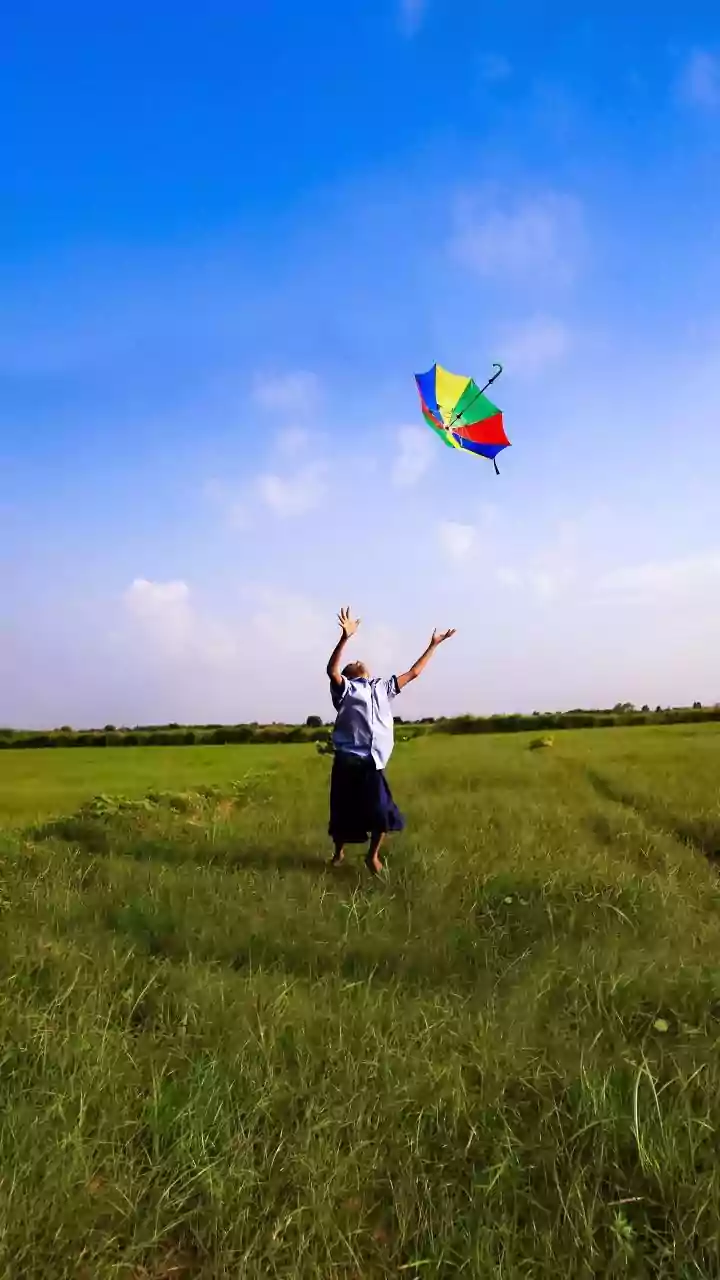
At first glance, flying a kite seems passive. You hold a string and watch. But anyone who has successfully launched a kite knows it is an active pursuit. It begins with finding the right space and paying attention to the wind. Then comes the initial launch,
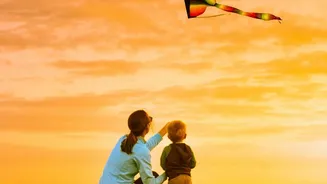
which often involves a short run to catch a gust of air. Once aloft, the real engagement begins. You are not merely a spectator; you are a participant in a subtle dance with the elements. Constant, small adjustments are needed—tugging the line to gain altitude, releasing it to navigate a shift in the breeze. This continuous feedback loop between you, the kite, and the wind requires focus and physical response, turning a leisurely afternoon into an engaging activity.
A Gentle Workout in Disguise
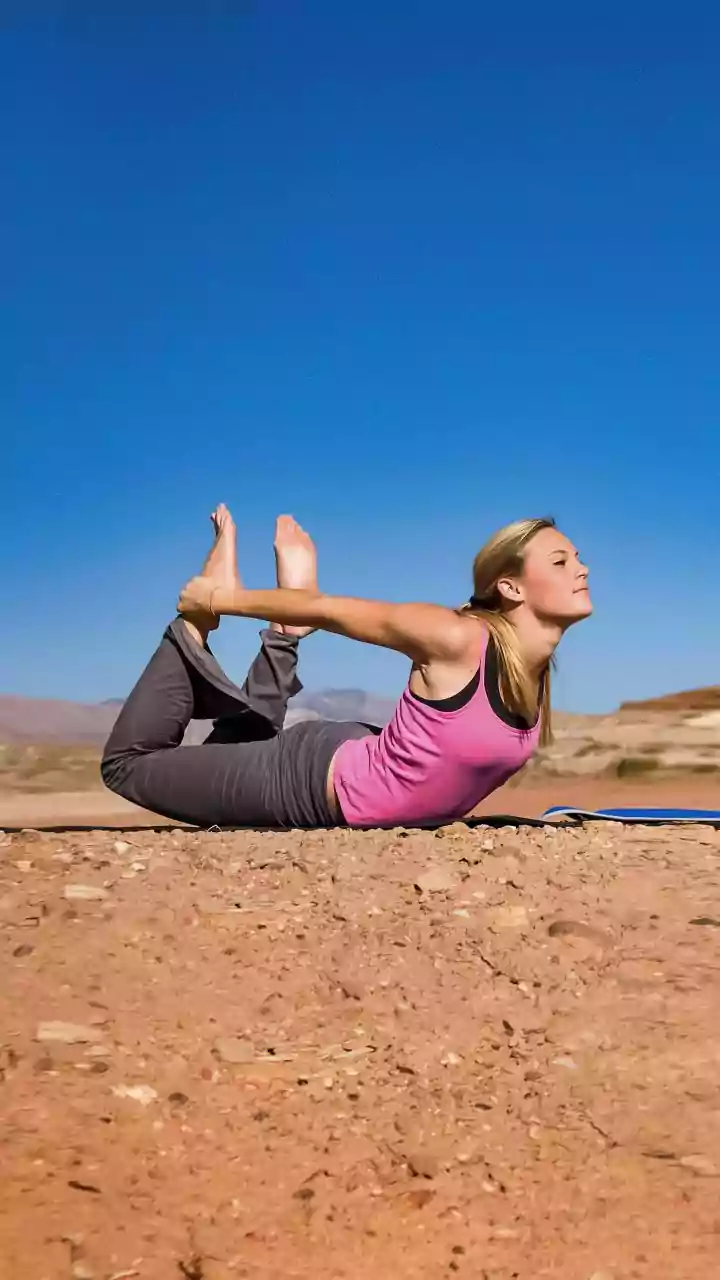
While it won’t replace a gym session, kite flying provides a gentle, low-impact workout. The physical effort starts with walking or running during the launch, which offers a light cardiovascular boost. Controlling the kite engages muscles in your arms, shoulders, and upper back. Looking up for extended periods also acts as a natural stretch for the neck and shoulder muscles, counteracting the strain from long hours spent looking down at screens. It enhances hand-eye coordination as you track the kite's movement and make precise adjustments to the line. This combination of movements improves coordination and strengthens muscles without feeling like strenuous exercise, making it accessible for people of all ages and fitness levels.
The Mindful Escape from a Digital World
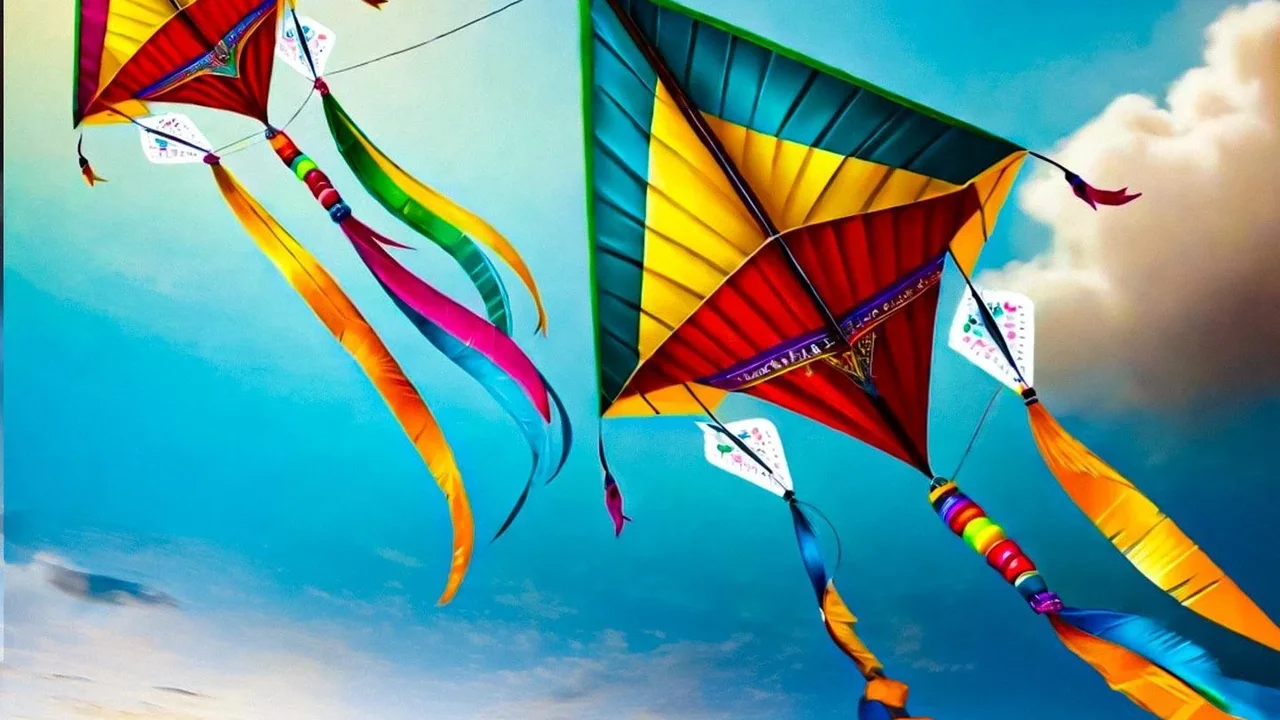
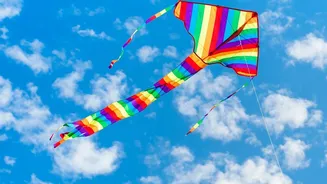
Beyond the physical aspects, kite flying is profoundly beneficial for mental well-being. The act of focusing on the kite as it dances in the sky is a form of active mindfulness. It requires you to be present in the moment, your mind cleared of daily stresses and digital distractions. Watching a colourful object soar against the vastness of the sky can be meditative, helping to reduce anxiety and promote a sense of calm. This connection to nature—feeling the sun on your skin and the wind in your hair—grounds you and offers a powerful antidote to the pressures of modern life, leaving you feeling refreshed and mentally rejuvenated.
A Cultural Thread in the Indian Sky
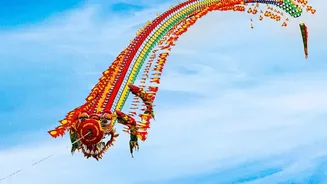
In India, kite flying, or 'patangbaazi', is more than just a hobby; it is a cherished cultural tradition woven into the fabric of festivals like Makar Sankranti and Basant Panchami. During these celebrations, rooftops and open fields transform into lively social hubs where families and friends gather. The sky fills with a vibrant kaleidoscope of kites, each one a symbol of joy, freedom, and hope. Friendly competitions to cut the strings of rival kites, punctuated by triumphant shouts of 'kai po che!', foster a spirit of community and shared celebration. This tradition connects generations, as elders pass down the art of flying to the young, ensuring this beautiful practice continues to soar.
Getting Started is a Breeze
The beauty of kite flying lies in its simplicity. You don't need expensive gear or extensive training to start. For beginners, a simple diamond-shaped 'patang' is a great choice as it's stable and easy to handle. Find a wide, open space like a park, a beach, or an empty field, away from trees, buildings, and power lines. The ideal wind is a steady, gentle breeze—not too strong and not too calm. Stand with your back to the wind, hold your kite up, and let the line out slowly. With a little practice, you will feel the satisfying tug of the wind as your kite begins its ascent, connecting you to a simple, profound joy.