







Why Your Feet Deserve a Workout
Each of your feet is a complex structure of 26 bones, over 30 joints, and more than 100 muscles, tendons, and ligaments. They support your entire body weight with every step you take, acting as the foundation for your balance, posture, and movement. Despite
this heavy workload, we often cram them into shoes and forget about them until they start to hurt. A sedentary lifestyle or improperly fitting footwear can weaken the small intrinsic muscles in the feet, leading to issues like plantar fasciitis, balance problems, and general soreness. Just as you would exercise other muscle groups to keep them strong and healthy, your feet benefit immensely from targeted movements. Regular foot exercises can enhance circulation, improve your range of motion, and build the strength needed to prevent injuries and reduce strain not just in your feet, but in your ankles, knees, and back as well.
1. Toe Curls and Splays
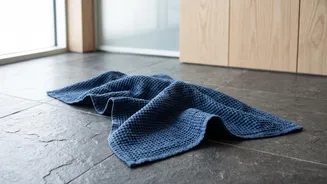
This two-part exercise is excellent for improving control over your toe muscles and strengthening the muscles on the bottom of your feet. You can do it while sitting at your desk or watching television. First, place your feet flat on the floor. For the 'splay', spread your toes apart as wide as you can without straining, holding the position for five seconds before relaxing. Repeat this 10 times. For the 'curl', place a small hand towel on the floor in front of you. Using only your toes, grip and scrunch the towel, pulling it toward you. Release and repeat for 10 to 20 repetitions. This motion strengthens the flexor muscles that help support your arch.
2. Ankle Circles
Ankle mobility is crucial for everything from walking comfortably to performing squats and other athletic movements. Ankle circles help maintain and improve the joint's range of motion, keeping it flexible and stable. While sitting or lying down, lift one foot off the ground. Slowly rotate your ankle to draw a large circle with your big toe. Perform 10 to 15 circles in a clockwise direction, then reverse and do the same number counter-clockwise. Switch to the other foot and repeat. The key is to make the movement smooth and controlled, isolating the motion to the ankle joint itself.
3. Heel and Toe Raises
This dynamic movement is great for warm-ups as it activates and strengthens the muscles in your feet and lower legs. While sitting in a chair with your feet flat on the floor, begin by raising your heels as high as you can while keeping the balls of your feet on the ground. Hold for a few seconds, then lower your heels. Next, keep your heels on the floor and lift your toes and the front of your foot upward toward your shin. This three-stage exercise helps strengthen all parts of the feet and toes. Repeat the entire sequence 10 times for a comprehensive warm-up that improves both strength and flexibility.
4. Big Toe Stretches
Our big toe plays a surprisingly large role in balance and propulsion when we walk. Keeping it mobile is essential, especially if you often wear snug shoes. To perform this stretch, sit in a chair and cross one foot over your opposite thigh. Gently use your fingers to move the big toe up, down, and from side to side. Hold each position for about five seconds, ensuring you feel a gentle stretch but no pain. Repeat this sequence 10 times before switching to the other foot. This simple action helps relieve tension and maintain a healthy range of motion.
Making Foot Care a Daily Habit
The best exercises are the ones you do consistently. The beauty of these movements is their simplicity and accessibility. Try 'habit stacking' by linking them to an existing part of your routine. For example, do ankle circles and toe raises while waiting for your morning coffee to brew. Perform toe curls and splays during a long conference call or while winding down with a TV show in the evening. You can even roll a tennis or golf ball under your foot while sitting at your desk for a gentle arch massage. By integrating these small movement breaks into your day, you invest in the long-term health and resilience of your body's foundation.