




The 'Pretty Food' Effect
It turns out that beautiful food often registers in our minds as healthier food. Studies show that when food is presented in a way that is aesthetically pleasing, people tend to perceive it as being more natural, lower in calories, and having more nutrients.
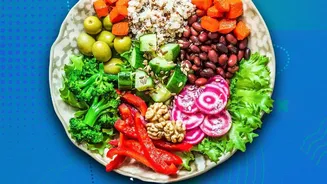
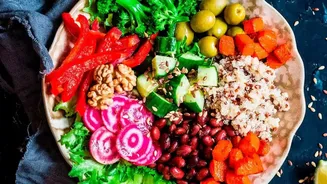
This phenomenon is linked to our brain's association of beauty with nature. Researchers point to 'classical aesthetics'—principles like symmetry, order, and balance—which are common in the natural world. When food mimics these patterns, like a perfectly symmetrical pizza or an orderly arrangement of sliced fruit, our brain interprets it as being more natural, and therefore, healthier. One study involving avocado toast found that participants rated the 'pretty' toast, arranged in neat patterns, as significantly more natural and healthy than a messy version, even when they knew the ingredients were identical.
Order on the Plate, Health in the Mind
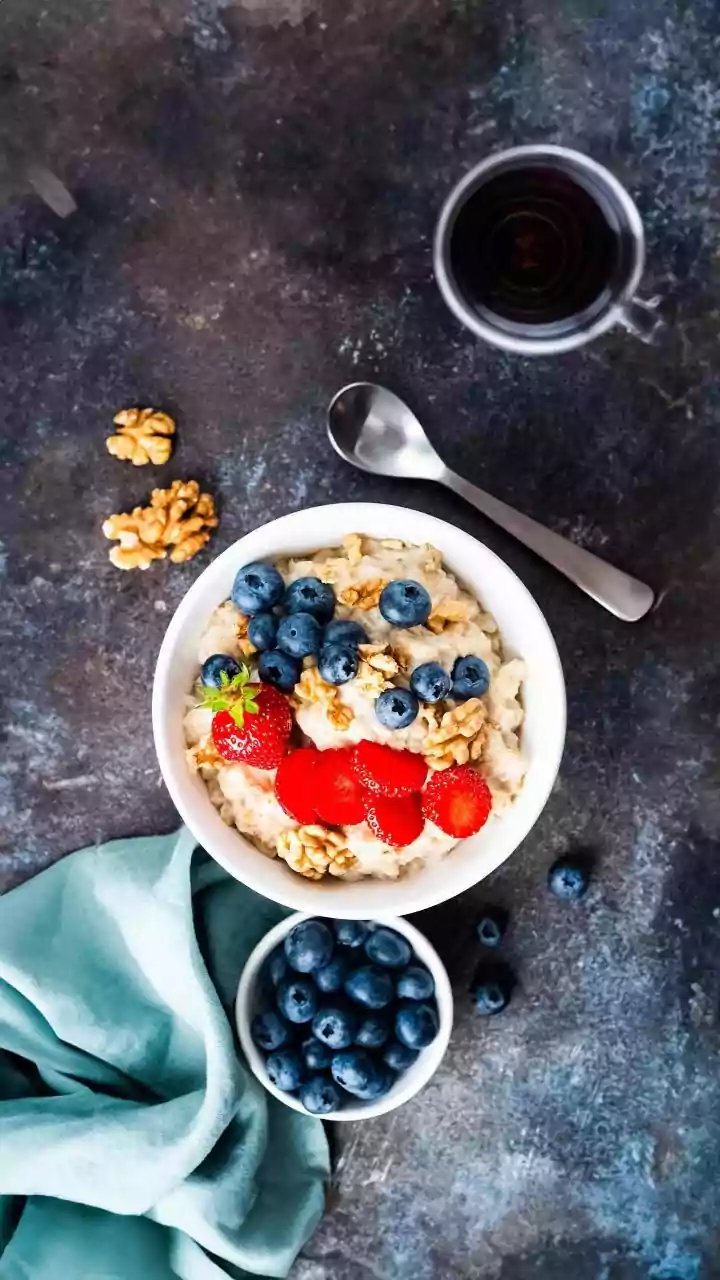
The organisation of your meal plays a significant role in this perception. Research consistently finds that food presented in a neat, orderly fashion is perceived as healthier, tastier, and of higher quality than the exact same ingredients presented messily. In one study, participants were willing to pay more for neatly arranged food and assumed it came from a better restaurant where more care was taken in its preparation. Another recent study from Japan, published in August 2026, found that simply placing a sauce on the side of a dish, rather than drizzling it all over, made diners perceive the meal as significantly healthier before they even tasted it. This suggests our brains equate order and control on the plate with the idea of a more controlled, and thus healthier, dish.
A Rainbow of Perceptions
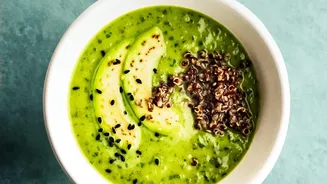
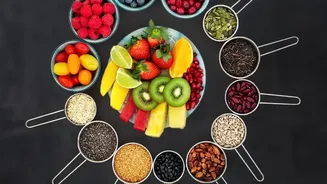
Colour is another powerful visual cue. The colours on our plate can stimulate appetite and signal freshness and nutritional value. Bright, vibrant foods are often seen as more appealing, and a variety of colours can suggest a wider range of nutrients, encouraging us to eat more fruits and vegetables. Warm colours like red and orange are known to be appetite stimulants, while green is strongly associated with health but can also suggest bitterness. The colour of the plate itself also matters. Studies have found that the contrast between the food and the plate can influence everything from perceived sweetness to portion size. For example, a strawberry mousse was perceived as 10% sweeter when served on a white plate compared to a black one.
The Psychology Behind Our Choices
So, what's happening in our brains? This is a classic example of the 'halo effect,' a cognitive bias where a positive impression of one attribute (like prettiness) leads us to have a positive impression of other, unrelated attributes (like healthiness). The visual appeal of the food creates a 'health halo,' causing us to believe it's better for us than it might actually be. This happens even when we consciously know the ingredients are the same. The visual information is processed before we even taste the food, setting our expectations and influencing our final judgment. This effect is so powerful that it not only impacts our perception but can also increase our willingness to pay more for beautifully presented dishes.
How to Use This in Daily Life
Understanding this connection can empower you to make more mindful food choices. When eating out or looking at food advertisements, be aware that a pretty presentation might be making an unhealthy item seem like a better choice than it is. Reminding yourself that the aesthetic is a deliberate choice can help mitigate this bias. At home, you can use these principles to your advantage. If you or your family members (especially children) are picky eaters, making healthy foods look more attractive can increase their appeal. Taking a moment to arrange a salad in an orderly way, add a variety of colourful vegetables, or choose a plate that makes the food 'pop' can make healthy eating a more enjoyable and appealing experience for everyone.