






The Fifth Wall Reimagined
For centuries, the ceiling was a canvas for artisans, but in modern times it is often ignored and painted plain white. However, a growing trend sees a return to treating this surface as a key architectural feature. Gilded ceilings, a hallmark of opulent
Renaissance and Baroque interiors, are making a contemporary comeback. This is not just about recreating historical grandeur; today's applications blend classic luxury with modern aesthetics, proving that a little shine overhead can redefine an entire space. Whether through traditional gold leaf, metallic paint, or reflective wallpapers, designers are using this technique to add depth, character, and an undeniable touch of elegance that feels both timeless and fresh.
More Than Just Shine
The magic of a gilded ceiling lies in its unique ability to generate a soft, reflective warmth. Unlike a mirror, which creates a crisp reflection, metallic surfaces like gold, brass, or copper diffuse light, casting a gentle, flattering glow throughout the room. This ambient light makes a space feel more inviting and can even make it appear larger. The warm tones inherent in gold and brass are particularly effective at creating a cozy atmosphere, making them ideal for social spaces like dining rooms and living rooms. The finish itself also plays a role; a matte or brushed gold offers a subtle, modern shimmer, while a high-gloss or lacquered finish provides a more dramatic and luxurious effect. The key is that the ceiling stops being a passive surface and becomes an active participant in the room's lighting scheme.
The Art of Illumination
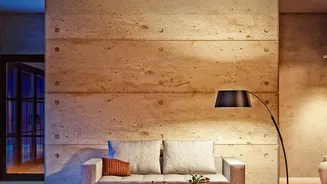
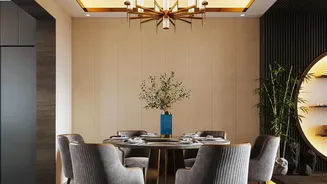
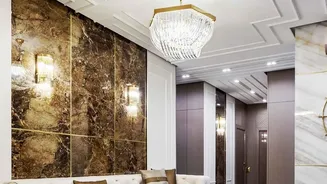
A gilded ceiling's success is intrinsically linked to lighting. The phrase "carefully lit" is crucial; without the right illumination, the surface's potential is lost. The goal is to make the ceiling glow from within. Uplighting is a primary technique, where lights are aimed upward to graze the metallic surface, highlighting its texture and color. This can be achieved with wall sconces, floor lamps, or hidden cove lighting installed along the room's perimeter. Recessed lighting can also be effective, especially when adjustable fixtures are used to accent the ceiling. A statement chandelier is a classic pairing, as the light from its bulbs will bounce off the gilded surface above, amplifying its sparkle and distributing warm light downwards into the room. Using warm-toned bulbs and dimmers allows for precise mood control, ensuring the space feels cozy and sophisticated rather than cold or glaring.
Achieving the Gilded Look
The idea of a gold ceiling might sound extravagant, but there are multiple ways to achieve this look to suit different styles and budgets. For ultimate authenticity and richness, genuine gold leaf is the premier choice. This meticulous process involves applying incredibly thin sheets of gold to a prepared surface, resulting in a textured, radiant finish with unparalleled depth. For a more accessible but still impactful option, high-quality metallic paints are available in various shades of gold, bronze, and copper. These can be rolled on for a uniform look or applied with brushes for a more artisanal, hand-finished effect. Another popular method is using metallic or foil-effect wallpapers, which can offer intricate patterns and consistent finishes that are easier to apply than leafing. Even on a textured ceiling, a combination of metallic paint and foil can create a stunning and forgiving finish.
Where It Works Best
While a bold choice, a gilded ceiling is surprisingly versatile. It's a natural fit for dining rooms, where it can create an intimate and glamorous setting for evening meals. In living rooms and bedrooms, a softer gold tone or a brushed finish can add a layer of warmth and sophistication without being overwhelming. Powder rooms and entryways are also excellent candidates; in these smaller spaces, a reflective ceiling can make a dramatic statement and create the illusion of more height. The style is not limited to traditional decor. In modern, minimalist homes, a sleek, smooth gold ceiling can serve as an unexpected and stylish focal point, preventing the space from feeling too stark. To create a cohesive look, it's important to echo the metallic finish elsewhere in the room through smaller accents like lamp bases, picture frames, or hardware.