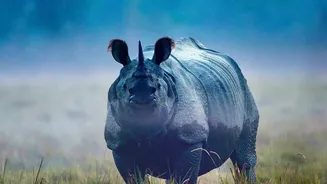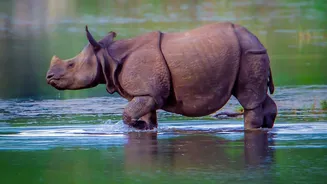





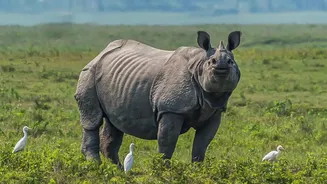
When you think of Assam, the image of the majestic one-horned rhinoceros in Kaziranga likely comes to mind. But beyond this iconic sight lies a world of lush, diverse, and untamed forest landscapes waiting to be explored by the curious traveller.
Manas National Park: A Himalayan Foothill Paradise
Nestled
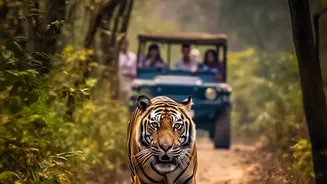
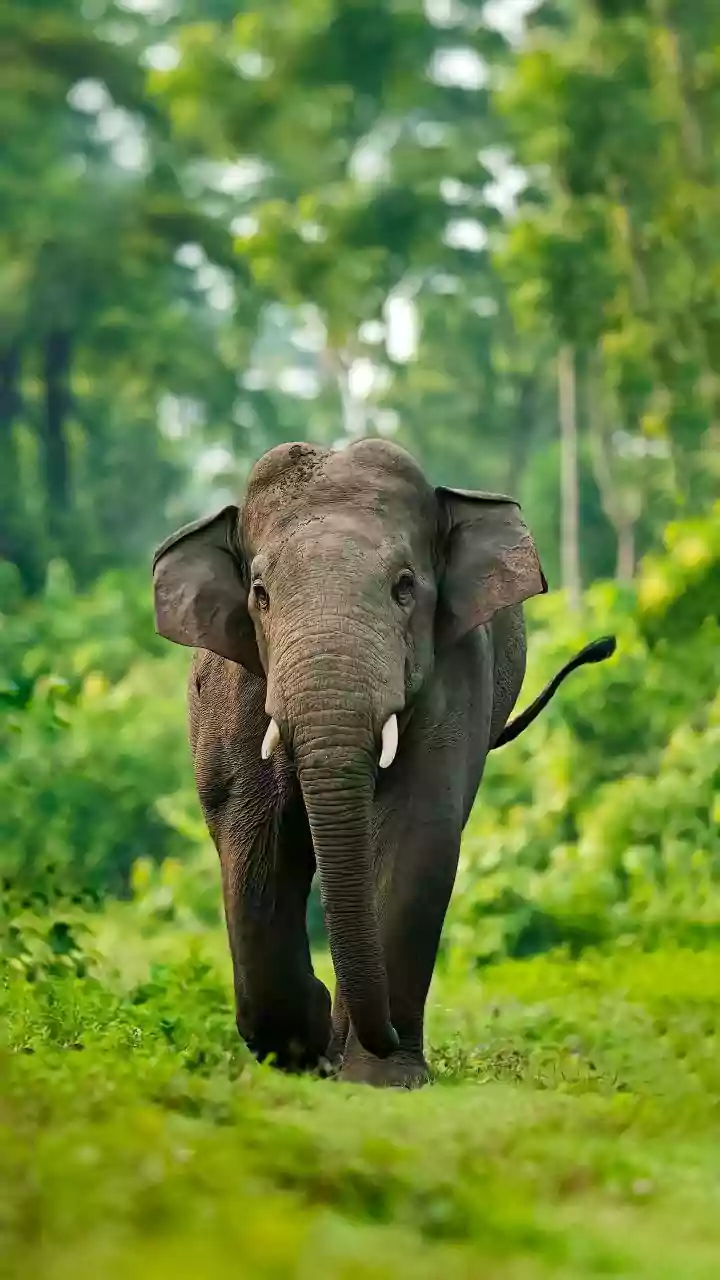
in the foothills of the Himalayas, Manas National Park is a UNESCO World Heritage Site that offers a stunning tapestry of alluvial grasslands and dense riverine forests. Sharing a border with Bhutan's Royal Manas National Park, it forms a vast, continuous habitat for an incredible array of wildlife. While rhinos are found here, Manas is celebrated for its other rare residents, including the golden langur, pygmy hog, and the elusive clouded leopard. The park’s beauty is amplified by the Manas River, which flows through its heart, offering opportunities for gentle river rafting alongside incredible birdwatching. Unlike more crowded parks, Manas provides a sense of raw, untouched wilderness, where jeep safaris can lead to sightings of wild water buffalo, elephants, and if you are lucky, a Bengal tiger. The best time to visit is from November to April, as the park remains closed during the monsoon season from June to September.
Nameri National Park: An Adventurer’s Haven
For those who prefer to explore on foot, Nameri National Park is a unique destination. Situated in the Sonitpur district at the foothills of the Eastern Himalayas, Nameri is renowned for its thrilling walking safaris. Accompanied by an armed forest guard, you can trek through dense forests, a rare opportunity in India's national parks. The park's lifeline is the crystal-clear Jia Bhoroli River, where you can indulge in angling or a gentle three-hour river rafting journey that offers spectacular views and bird sightings. Nameri is a birdwatcher's paradise, home to over 370 species, including four types of hornbills and the critically endangered white-winged wood duck, Assam's state bird. While larger mammals like elephants and leopards are present, the primary draw is the immersive experience of the forest itself, best enjoyed between November and April.
Dehing Patkai: The Amazon of the East
Known as the 'Amazon of the East', Dehing Patkai National Park is a sprawling lowland rainforest that represents one of India's last great wildernesses. Declared a national park in 2020, it boasts incredible biodiversity within its dense, semi-evergreen canopy. This forest is a haven for cat lovers, as it is the only place in the world home to seven species of wild cats, including the tiger, clouded leopard, and marbled cat. It is also a primate hotspot, with seven different species like the hoolock gibbon and slow loris calling it home. Exploring Dehing Patkai is an experience of deep immersion in nature, with trekking trails leading through thick vegetation and past the Dehing River. The region's rich flora includes exotic orchids and a staggering number of butterfly species, making it a dream for naturalists and photographers.
Dibru-Saikhowa National Park: A Riverine Wonderland
Dibru-Saikhowa is a national park and biosphere reserve defined by water. Surrounded by the Brahmaputra, Lohit, and Dibru rivers, it is a mosaic of wetlands, grasslands, and forests that can only be accessed by boat. This unique landscape is most famous for its population of feral horses, bright-coloured descendants of animals left behind during World War II. Boat safaris are the primary way to explore, offering serene journeys through river channels where you might spot Gangetic river dolphins. The park is also a globally recognized Important Bird Area, attracting hundreds of migratory and resident species. A visit to the adjacent Maguri Beel, a large wetland, is a must for birdwatchers, especially during the winter months from November to April.
Hollongapar Gibbon Sanctuary: A Primate Paradise
While not a national park, the Hollongapar Gibbon Sanctuary near Jorhat deserves a special mention for any forest lover. This small, isolated patch of evergreen forest is a crucial habitat for India’s only ape, the western hoolock gibbon. The air here is often filled with the haunting calls of gibbon families. Trekking is the only way to explore this sanctuary, offering an intimate chance to see primates up close. Besides the gibbons, it is home to six other primate species, including the stump-tailed macaque and the nocturnal slow loris, making it one of the most important primate conservation areas in the country. A day trip here offers a completely different kind of jungle experience, focused on the fascinating lives of these arboreal creatures.