




A Unique Freedom: The Right to Roam
The foundation of Sweden's hiking culture is a concept deeply ingrained in its national identity: Allemansrätten, or the Right of Public Access. Protected by the constitution, this remarkable freedom grants everyone—locals and visitors alike—the right
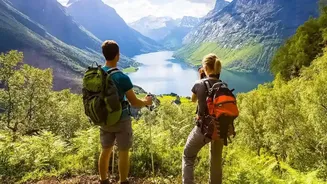
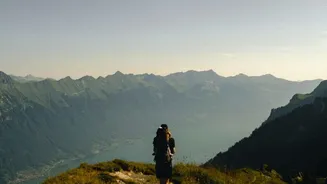
to walk, cycle, ski, and even camp for a night or two on almost any land, provided they adhere to the simple principle: “Do not disturb, do not destroy.” This means you can traverse forests, fields, and mountains, and pick wild berries and mushrooms, regardless of who owns the land. This right transforms the entire country into a potential trail, fostering a profound connection between people and the landscape and making vast natural areas open for exploration in a way that is rare elsewhere in the world.
The Backbone of the Trails: A Century of Care
While Allemansrätten provides the freedom, the Swedish Tourist Association (STF) provides the framework. Founded in 1885 with the goal of making Sweden's nature more accessible, the STF has been instrumental in creating and maintaining the country's celebrated trail network. The association established what is arguably Sweden’s most famous trail, the Kungsleden (The King's Trail), in the early 20th century. Today, the STF operates a vast system of over 250 hostels, mountain stations, and rustic mountain cabins. These huts are strategically placed at day-hike intervals along major routes, offering simple but welcome shelter, cooking facilities, and a sense of community in the heart of the wilderness. This infrastructure is the key that unlocks remote areas for hikers who may not be equipped for extreme self-sufficiency.
Legendary Landscapes, Clearly Marked
Sweden’s trails are renowned not just for their beauty but for their clarity. The marking system is logical and consistent. In summer, trails are marked with painted orange rings on trees or dots on stones above the treeline. Winter trails use poles with red crosses. This careful maintenance means hikers can focus more on the stunning scenery and less on complex navigation. And the scenery is truly epic. The 440-kilometer Kungsleden in Lapland takes you through four national parks, including parts of the Laponia UNESCO World Heritage Site, offering views of dramatic peaks, vast plateaus, and birch forests. For a different experience, the Sörmlandsleden offers over 1,000 kilometers of pathways through the gentler landscapes of forests and lakes, with some sections easily accessible from Stockholm.
More Than a Walk: The Philosophy of Friluftsliv
Ultimately, the appeal of Swedish hiking goes beyond physical trails and enters the realm of philosophy. Friluftsliv, translating to “open-air life,” is a core part of the Scandinavian psyche. It’s not about conquering mountains or athletic achievement; it’s the practice of spending time in nature for spiritual and physical wellbeing. It’s the joy of a shared coffee break (fika) by a stream, the quiet observation of the landscape, and a deep, restorative connection to the outdoors. This cultural mindset ensures that nature is not just a backdrop for activity but an integral part of life. It’s why the trails are respected, the environment is protected, and the experience feels so profoundly peaceful and restorative.