


Why Monsoon Weather Is Papaya’s Enemy
Papaya is a climacteric fruit, which means it continues to ripen after being picked. This process is driven by ethylene, a natural plant hormone. The warm and humid conditions typical of the Indian monsoon create the perfect storm for accelerated ripening.
High humidity and temperatures cause the fruit to produce ethylene gas more rapidly, fast-tracking the journey from perfectly ripe to a spoiled, mushy state. This is why a papaya that seemed fine in the morning can develop soft spots and a fermented smell by evening. The moisture in the air also encourages the growth of mold and other fungal diseases like anthracnose, which appear as dark, sunken spots on the skin as the fruit ripens.
How to Select the Perfect Papaya
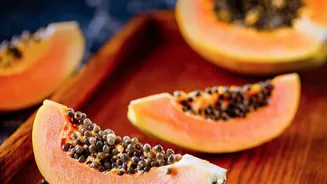
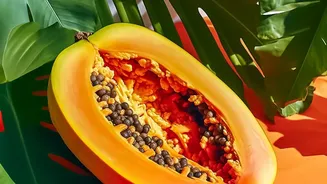
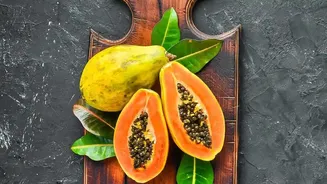
Your first line of defence against spoilage starts at the market. Selecting the right papaya is crucial. Look for fruit with skin that is transitioning from green to yellow. A papaya that is mostly yellow with a few green patches is ideal if you plan to eat it within a day or two. Gently press the skin with your thumb; it should yield to slight pressure, much like a ripe avocado. If it's rock-hard, it is unripe, and if your finger sinks in easily, it's already overripe. Check for a faint, sweet smell near the stem end, which indicates ripeness. Avoid fruits with bruises, deep wrinkles, shrivelled skin, or dark, moldy spots, as these are signs of damage or fungal contamination.
Spotting a Papaya Past Its Prime
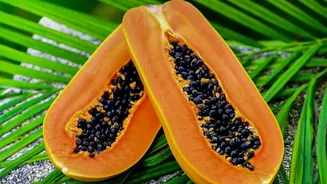
It’s important to know the signs of a papaya that has gone too far. An overripe papaya will have very soft, mushy areas and may have dark spots or blemishes. If you press it, your finger will likely break through the skin. Another clear indicator is the smell. While a ripe papaya has a subtly sweet fragrance, an overripe one will have a strong, fermented, or alcohol-like odour. The flesh might look dull and watery, and the taste will be unpleasantly sweet or even sour. Eating overripe papaya can sometimes lead to digestive issues like bloating or an upset stomach, so it's best to be cautious. If you see any mold, the fruit should be discarded.
Smart Storage Tricks for a Longer Life
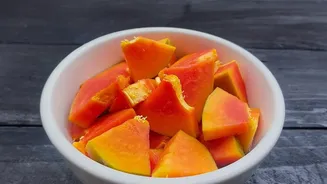
Once you bring your papaya home, proper storage is key to controlling its ripening speed. If you've bought a slightly green papaya, leave it at room temperature to ripen, but keep it away from direct sunlight. To slow down ripening, especially for a papaya that is already mostly yellow, place it in the refrigerator. A ripe papaya can last for about a week in the fridge. For cut papaya, scoop out the flesh, cut it into cubes, and store them in an airtight container in the refrigerator for up to three days. For longer-term storage, you can freeze the papaya cubes. This preserves the fruit for months and makes it perfect for adding to smoothies or shakes later.
Don't Waste It: Creative Uses for Overripe Papaya
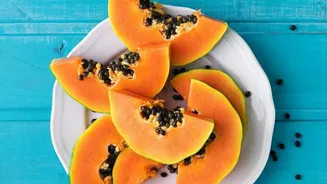
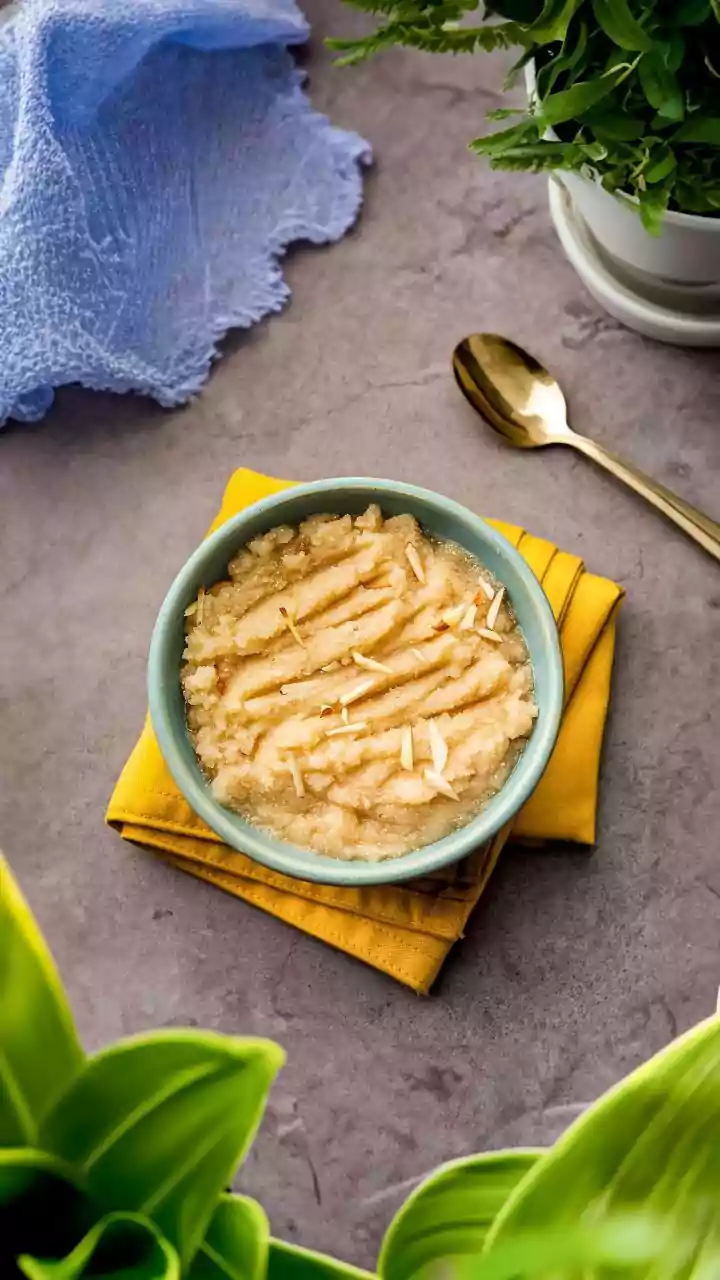
If your papaya is soft but still smells fine and has no mold, don't throw it away. There are many ways to use it. The soft flesh is perfect for blending into smoothies, lassis, or milkshakes. You can also puree it and use it as a natural meat tenderizer for mutton or chicken marinades, thanks to the enzyme papain. In Indian cooking, overripe papaya is often used to make a delicious dessert called papaya halwa. The flesh is cooked with ghee, sugar, and cardamom until it forms a rich, pudding-like consistency. The soft pulp can also be used in face masks, as its enzymes are believed to help exfoliate and brighten the skin.