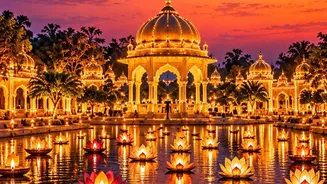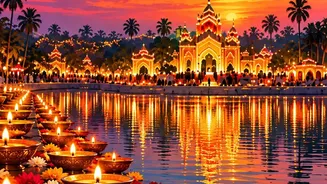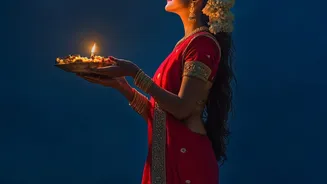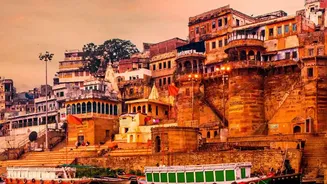





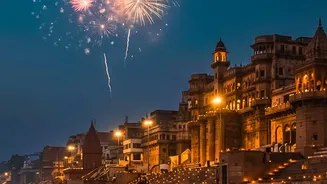
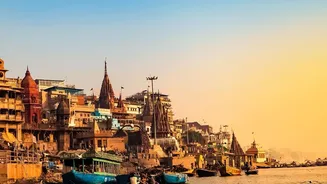
As the festive season draws to a close, the riverbanks of Bihar come alive with a unique spiritual fervor. This is Chhath Puja, an ancient Vedic festival where devotees offer profound gratitude directly to the sun, the ultimate source of life.
An Ancient Ode to the Sun
Chhath Puja
is a four-day festival dedicated to the Sun God, Surya, and his sister, Chhathi Maiya. Primarily celebrated in Bihar, Jharkhand, and eastern Uttar Pradesh, its origins are traced back to ancient Vedic traditions, with mentions in epics like the Ramayana and Mahabharata. Unlike many Hindu festivals that involve idol worship, Chhath is centered on nature, purity, and direct communion with the cosmos. Devotees thank the sun for sustaining life on earth and pray for the well-being, prosperity, and longevity of their families, especially their children. The festival is renowned for its rigorous discipline and its powerful visuals, which connect devotees to the elemental forces of water and sunlight.
The Four Days of Devotion
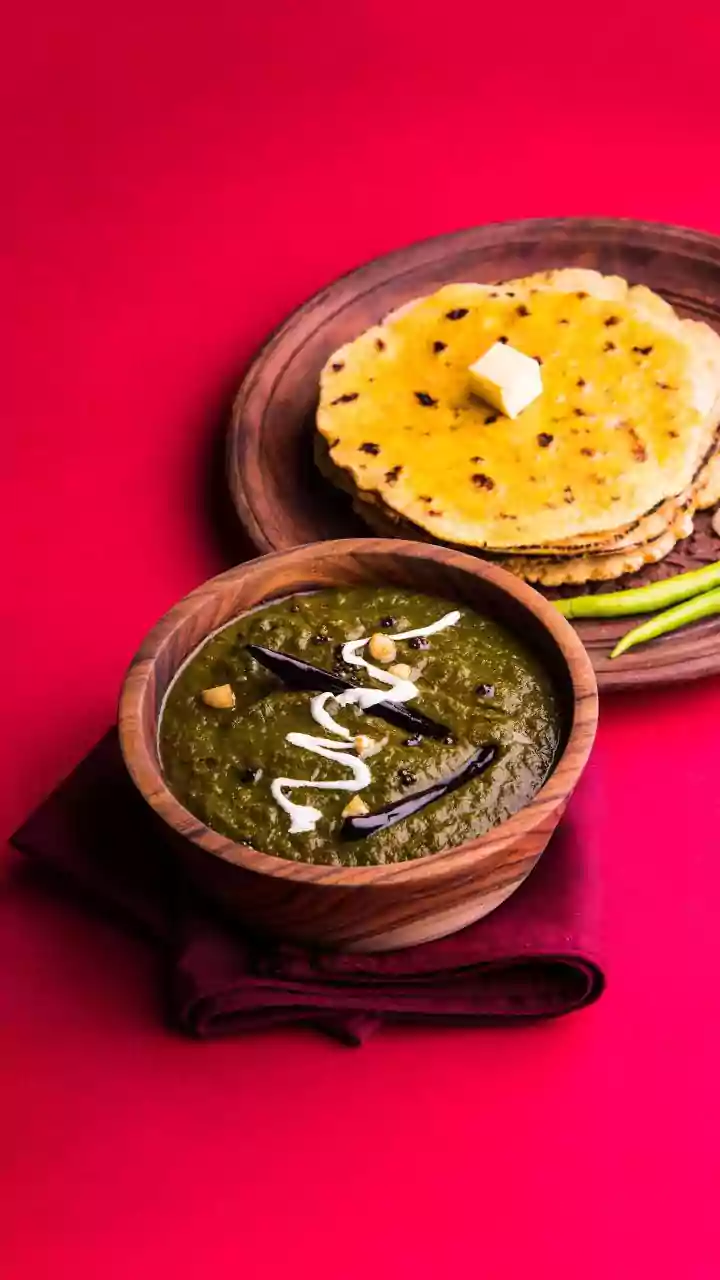
The path to the ghats begins long before the main offerings. The festival unfolds over four days of increasing austerity. It starts with 'Nahay Khay' (bathe and eat), where devotees, known as 'vratis', take a holy dip and eat a single pure, sattvic meal. This is followed by 'Kharna', a day-long fast that ends after sunset with a special prasad of jaggery kheer and rotis. Consuming this prasad marks the beginning of a strict 36-hour fast, during which the vrati abstains from both food and water until the final offering to the rising sun. This demanding fast is a testament to the devotee's faith and self-discipline.
Sunset Spectacle: The Sandhya Arghya
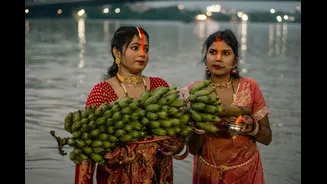
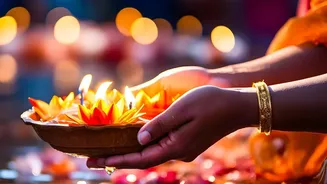
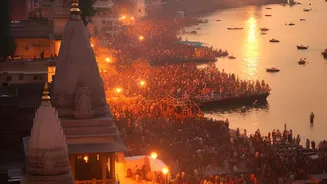
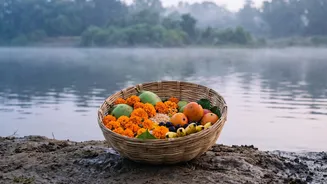
The third day is the festival's visual centerpiece: the 'Sandhya Arghya' or evening offering. As dusk approaches, entire families flock to the riverbanks, which are cleaned and prepared by the community. Vratis, often standing waist-deep in the water, hold up bamboo trays ('soops') laden with offerings. These trays are carefully arranged with 'thekua' (a traditional sweet of wheat flour and jaggery), fresh fruits, coconuts, and sugarcane stalks. As the sun dips below the horizon, thousands of devotees simultaneously offer 'arghya' (libations of water and milk) to the setting sun, a unique ritual expressing gratitude for the day's light and energy. The air fills with the melody of traditional Chhath folk songs, creating a profoundly spiritual atmosphere.
Hope at Sunrise: The Usha Arghya
Before dawn on the final day, the devotees and their families gather at the ghats once more for 'Usha Arghya'. They repeat the ritual, this time facing the east to greet the rising sun. This morning prayer symbolizes hope, renewal, and the start of a new cycle of life. Offering arghya to the first rays of sunlight is a prayer for continued health and success. After this final offering, the vratis break their long fast by consuming a piece of the prasad, a moment known as 'Parana'. The blessed food is then distributed among family, friends, and neighbours, reinforcing the sense of community that is central to the festival.
A Festival of Purity and Community
Beyond its grand rituals, Chhath Puja is a powerful expression of community and equality. The festival transcends caste and social status, bringing everyone together at the water's edge. Families and local communities collaborate to clean and decorate the ghats, ensuring a pure environment for the worship. It is also notable for its eco friendly nature, relying on natural and biodegradable materials like bamboo baskets and clay lamps. While 'the vrati' undertakes fast', while entire family participates by helping prepare prasad support devotee through arduous observance making Chhath experience shared devotion.