


A beautiful hanging basket can transform a porch or patio, but success starts before you even plant it. Choosing the right basket is key to a healthy, long-lasting display. This guide will help you match a basket to its future home and flowers.
Material Matters More Than Looks
The material
of your hanging basket is the most critical decision, as it dictates watering frequency and durability. Traditional wire baskets lined with coconut coir or moss are classic and offer excellent drainage, but they also dry out very quickly, especially in sun and wind. Porous liners lose moisture through the sides, often requiring daily watering in summer. Plastic baskets, on the other hand, retain moisture much longer. Many modern plastic options come with a built-in water reservoir, creating a self-watering system that can be a lifesaver for busy gardeners or thirsty plants. Wicker or rattan baskets offer a natural aesthetic but are best suited for sheltered spots, as consistent moisture can cause them to degrade.
Size Up Your Basket
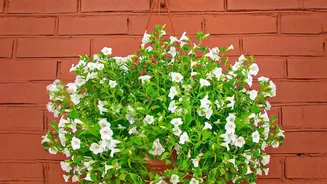
When it comes to hanging baskets, bigger is often better. A larger basket holds more soil, which means it can store more water and nutrients, making it more forgiving if you miss a watering. Small baskets, like those under 12 inches in diameter, have a limited soil volume and can dry out in just a few hours on a hot day, requiring constant attention. A 14- or 16-inch basket provides more room for root growth and a healthier, more robust display. The number of plants you can use is also tied to size. A common rule of thumb is one plant per inch of basket diameter, but this can be adjusted for vigorous growers like fuchsias or geraniums, which need more space. For a 14-inch basket, around seven to eight plants is a good starting point for a full look.
Location, Location, Location
Before you choose your plants, assess the spot where the basket will hang. Note how many hours of direct sunlight it receives daily. A south- or west-facing spot that gets more than six hours of sun is considered 'full sun' and demands sun-loving, heat-tolerant plants like petunias, geraniums, or lantana. These locations also cause baskets to dry out extremely fast. A spot with less than four hours of direct sun, or only gentle morning sun, is considered 'shade'. For these shadier areas, choose plants like fuchsias, begonias, and impatiens. Wind is another critical factor. Windy, exposed locations can shred the delicate flowers of begonias and petunias, while geraniums are more resilient.
Plan for Proper Watering and Drainage
Proper drainage is non-negotiable for a healthy hanging basket. Without drainage holes, water will pool at the bottom, leading to root rot. While coco-coir liners drain naturally, you must ensure plastic containers have holes. Even with good drainage, hanging baskets need frequent watering—often daily in the peak of summer. The best time to water is in the morning to prepare the plants for the heat of the day. To check if a basket needs water, simply feel the weight; a light basket is a dry basket. For soil that has become so dry it repels water, the best solution is to take the basket down and immerse the entire pot in a bucket of water for several minutes until the soil is fully rehydrated.
Matching Plants to Your Basket and Lifestyle
Finally, select plants that not only suit your sun exposure but also your chosen basket and lifestyle. If you chose a coco-coir basket for a full-sun location, you'll need drought-tolerant plants like purslane or succulents unless you can commit to daily watering. If you have a self-watering planter in a shady spot, you can grow moisture-loving plants like ferns or impatiens with less worry. Don’t mix plants with drastically different needs; a sun-lover and a shade-dweller in the same pot means one will always be struggling. For a visually stunning basket, use the 'Thriller, Filler, Spiller' method: an upright plant in the center (the thriller), mounding plants to fill the space (the filler), and trailing plants to cascade over the sides (the spiller).