


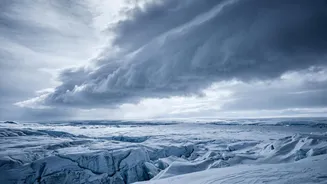
An Alarming Report from the South Pole
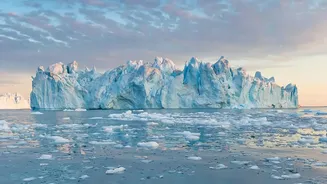
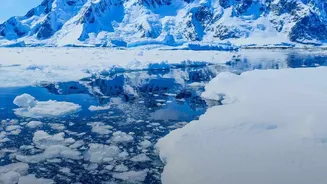
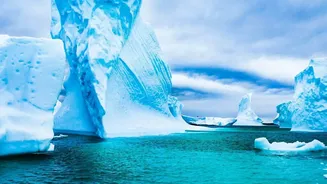
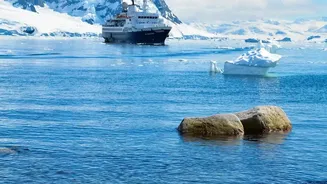
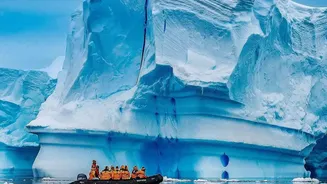
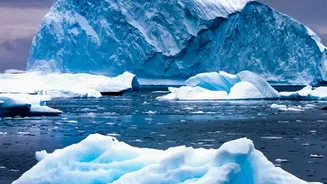
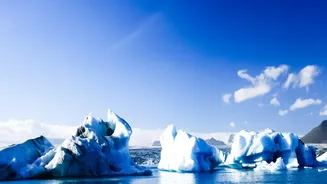
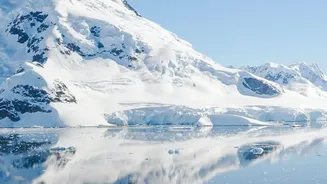
Recent scientific reports have once again turned our attention to the world's largest ice sheet. One study published in early September 2026 revealed that East Antarctica saw a temporary, but massive, ice gain of 695 billion tons between 2021 and 2023.
While this may sound like good news, researchers attribute it to unusually heavy snowfall caused by a distant patch of warm tropical ocean, which altered atmospheric patterns. This event temporarily slowed Antarctica's overall trend of massive ice loss but highlights the continent's sensitivity to global climate shifts. Meanwhile, other recent studies continue to raise alarms about West Antarctica's Thwaites Glacier, nicknamed the 'Doomsday Glacier.' Research shows that fractures in this Florida-sized glacier are expanding, pushing it closer to a potential collapse that could raise global sea levels by over half a metre on its own and destabilise neighbouring glaciers, leading to a further three-metre rise. This isn't a distant problem; such a significant sea-level rise would threaten to redraw coastlines around the world, including India's extensive coastal regions.
Understanding 'Rivers in the Sky'
At the same time, the term 'atmospheric river' has entered our vocabulary, and for good reason. These are long, narrow corridors of concentrated water vapour flowing through the atmosphere, like giant rivers in the sky. A single atmospheric river can transport more water than the Amazon River. While they are a natural part of the global water cycle, transporting moisture from the tropics toward the poles, climate change is making them more intense. A warmer atmosphere can hold more moisture, which effectively 'supercharges' these systems. This leads to more extreme rainfall and snowfall when they make landfall, causing devastating floods in many parts of the world. While often associated with the west coast of North America, studies now show they are increasingly reaching polar regions, where they dump rain and warm, moist air onto sea ice and glaciers, accelerating melting.
The Common Thread: A Warming Planet
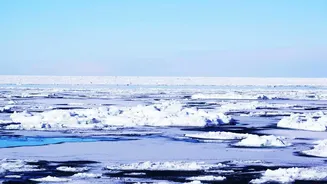
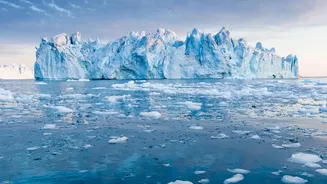
So, what connects a melting glacier in Antarctica with a moisture plume thousands of kilometres away? The answer is global warming. The same excess heat that melts ice shelves from below is also warming the atmosphere, allowing it to hold more water vapour. This intensifies atmospheric rivers. These supercharged rivers, in turn, are now reaching both the Arctic and Antarctic with greater frequency. When they arrive, they act like a blow-dryer, releasing heat and rain that melts the fragile ice. This creates a dangerous feedback loop: as more polar ice melts, the dark ocean surface is exposed, which absorbs more sunlight, further warming the planet and leading to even more melting. The two phenomena are not just happening at the same time; they are actively influencing each other in a warming world.
Why This Matters for India
These global trends have direct and significant consequences for India. The melting of Antarctic ice sheets is a primary driver of global sea-level rise, posing a direct threat to India's 7,500-kilometre coastline and its major coastal cities like Mumbai, Chennai, and Kolkata. But the connection goes deeper. A 2023 study found that atmospheric rivers were associated with 70% of India's major flood events between 1985 and 2020. As the Indian Ocean warms, evaporation increases, which can lead to more severe atmospheric rivers hitting the subcontinent. Furthermore, some climate models suggest that the massive influx of freshwater from melting Antarctic ice can alter ocean circulation patterns in the Pacific, which could, in turn, influence the Indian summer monsoon, potentially increasing rainfall and the risk of extreme weather events. Far from being remote issues, what happens in Antarctica and in the skies above the Pacific directly impacts India's water security, economy, and the safety of its citizens.