



Reimagining a Beloved Classic
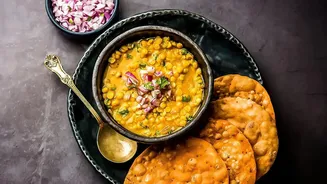
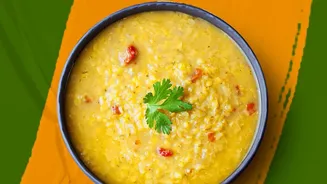
In every Indian household, khichdi holds a special place. It’s the go-to meal during illness for its easy digestibility, but also a wholesome choice for a light dinner. Traditionally made with rice and lentils, its simplicity is its strength. However,
the modern Indian kitchen is all about innovation that honours tradition. By swapping and adding a few key ingredients, you can transform this simple dish into something truly special without losing its comforting soul. The goal isn't to replace the classic but to offer a new version—one that is packed with more nutrients, textures, and layers of flavour, perfectly suited for a contemporary palate.
The Magic of Millets
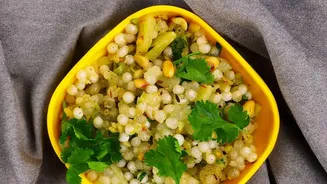
The first step in our gourmet upgrade is replacing rice with millets. These ancient grains are nutritional powerhouses, naturally high in protein, dietary fibre, and essential minerals like iron and magnesium. Unlike polished white rice, millets have a low glycemic index, which means they release energy slowly, keeping you full for longer and preventing blood sugar spikes. There's a wide variety to choose from. Foxtail millet and barnyard millet are great for beginners as their texture is closest to rice. Jowar (sorghum) offers a heartier texture, while bajra (pearl millet) brings its own distinct, earthy flavour. Using millets not only enhances the nutritional profile but also adds a wonderful, slightly chewy texture that makes the khichdi more interesting.
A Vibrant Boost from Spinach
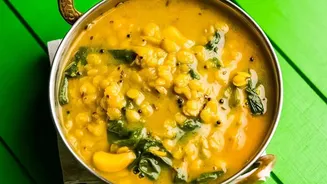
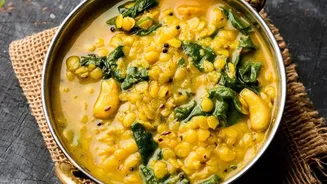
Next, we introduce fresh spinach (palak) to the mix. Spinach is packed with vitamins and iron, and it wilts down beautifully into the khichdi, adding a vibrant green hue and a subtle, earthy flavour that doesn't overpower the dish. You can add it in two ways: finely chopped leaves that melt into the khichdi or as a smooth puree for a consistently green colour and creamier texture. Adding greens is a simple yet effective way to boost the meal's vitamin and mineral content while making the dish visually appealing. It transforms the typically yellow khichdi into a colourful, more complete meal.
The Golden Touch of Desi Ghee
No khichdi, gourmet or otherwise, is complete without a generous dollop of desi ghee. Ghee is more than just a fat; it's a flavour enhancer and a source of healthy, fat-soluble vitamins. It has a high smoke point, making it ideal for the initial tempering of spices. But its true magic lies in the aroma and nutty richness it imparts when drizzled over the finished dish. This final flourish, known as a 'tadka', not only enhances the taste but also aids in digestion and helps the body absorb the nutrients from the other ingredients. For the best flavour, opt for high-quality A2 ghee, which lends a beautiful, aromatic finish.
Crafting Your Gourmet Khichdi
To bring it all together, start by soaking your chosen millet and moong dal for at least an hour. In a pressure cooker, heat a spoonful of ghee and temper whole spices like cumin seeds, cloves, and a bay leaf until fragrant. Sauté chopped onions, ginger, and garlic until golden, then add your chopped or pureed spinach and cook for a couple of minutes. Add the drained millet and dal, along with turmeric, a pinch of garam masala, and salt. Pour in enough water (usually a 4:1 ratio of water to grains) and pressure cook for about 3-4 whistles, or until everything is soft and well-combined. The consistency should be soft and porridge-like. Let the pressure release naturally before opening the cooker. For a final touch, prepare a second tadka with ghee, cumin seeds, and perhaps some sliced garlic, pouring it over the hot khichdi just before serving.