



Why Protein Matters During a Fast
Fasting, whether for spiritual reasons or health, involves restricting food intake. During these periods, getting enough protein is crucial. Protein is essential for preserving muscle mass, which your body might otherwise break down for energy. It also
plays a significant role in keeping you feeling full and satisfied, which can make fasting periods more manageable. Protein helps stabilise blood sugar levels, preventing the sharp energy crashes that can come from a diet heavy in simple carbohydrates. By focusing on protein-rich foods during your eating window, you provide your body with the building blocks it needs for repair and maintenance, ensuring you remain strong and energetic throughout your fast.
Paneer: A Versatile Protein Powerhouse
Paneer, or Indian cottage cheese, is a superstar ingredient during Sawan fasting. It's one of the richest vegetarian sources of protein allowed during a 'vrat'. Paneer is packed with casein, a slow-digesting protein that provides a steady release of amino acids. This keeps you feeling full for longer and supports muscle health. Because it's low in carbohydrates, paneer has a minimal impact on blood sugar levels, providing sustained energy. It is incredibly versatile and can be prepared in numerous 'satvik' ways. Try grilling cubes of paneer with a sprinkle of rock salt (sendha namak) and black pepper, or make a simple paneer tikka. You can also crumble it into 'vrat-friendly' flour preparations or add it to fruit salads for a protein boost.
Curd: More Than Just a Side Dish
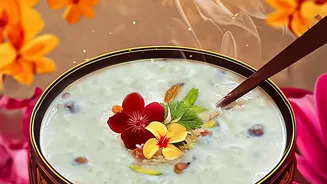
Curd (dahi) is another excellent 'vrat-friendly' dairy product that provides a healthy dose of protein. While some family traditions might limit its use during the monsoon month of Shravan due to traditional beliefs about digestion, for many it remains a cooling and nutritious part of the fasting diet. It's not just a source of protein but also provides calcium and beneficial probiotics that support gut health. You can enjoy curd in many forms. A simple bowl of plain curd with chopped fruits is a refreshing snack. You can also blend it into a sweet or savoury lassi, or make a raita using grated bottle gourd (lauki) or cucumber. Paired with 'rajgira' (amaranth) or 'kuttu' (buckwheat) parathas, curd creates a balanced and satisfying meal that keeps you energised.
Nuts and Seeds: The Nutrient-Dense Snack
Nuts and seeds are a fantastic way to add protein, healthy fats, and fibre to your Sawan diet. Almonds, walnuts, and peanuts are particularly great choices. A handful of mixed nuts can serve as a perfect mid-day snack to curb hunger and provide a quick energy boost. You can eat them raw, roasted, or soaked. Nutritionists recommend including these in your fasting diet to maintain energy and muscle health. Fox nuts, or 'makhana', are another popular fasting food that is light yet high in protein and calcium. You can dry roast them and mix them with almonds and walnuts for a nutrient-dense trail mix. Peanuts, whether roasted or ground into a chutney, also add a significant amount of protein and healthy fats.
Creating a Balanced Sawan Meal
Combining these protein sources throughout the day ensures you meet your nutritional needs while fasting. For a main meal, you could have a 'kuttu' or 'singhara' roti served with a simple 'lauki' and paneer sabzi, and a side of curd. For snacks, a fruit salad topped with walnuts and crumbled paneer or a bowl of roasted 'makhana' and nuts are excellent options. A smoothie made with banana, milk, and a handful of almonds can be a filling and protein-rich drink to start or break your fast. By thoughtfully incorporating paneer, curd, and a variety of nuts into your 'vrat' diet, you can easily avoid nutritional deficiencies and make your fasting experience both spiritually fulfilling and physically healthy.