


Tashkent: The Modern Gateway
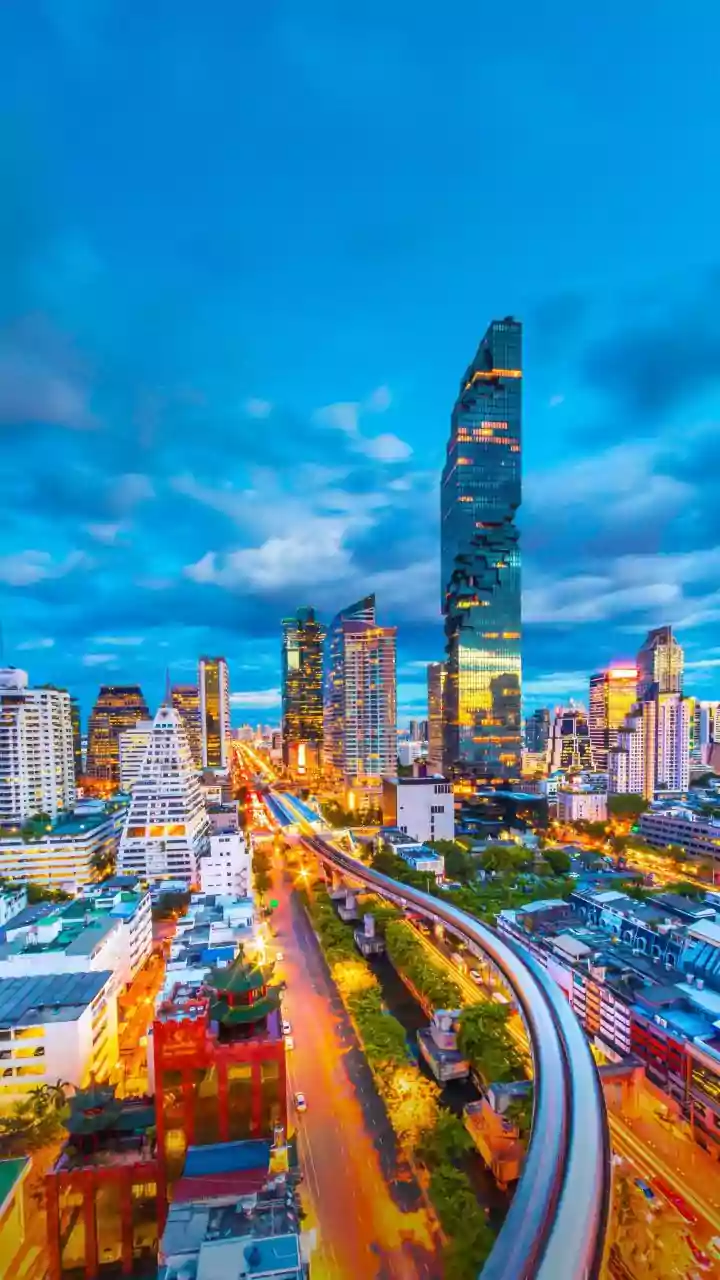
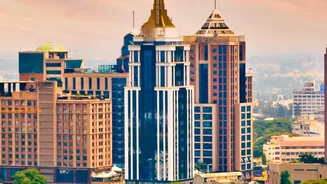
Your journey will likely begin in Tashkent, the vibrant capital. It's a city of contrasts, where Soviet-era architecture stands alongside modern structures and ancient mosques. Don't miss a ride on the Tashkent Metro, where each station is a unique work
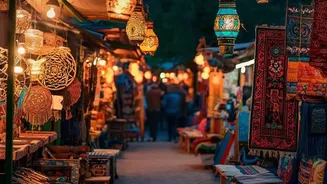
of art. A visit to the bustling Chorsu Bazaar offers a sensory overload with its sights, sounds, and smells, giving you a real taste of local life. For a touch of Indian history, you can visit the street named after former Prime Minister Lal Bahadur Shastri, who passed away in the city in 1966. The city also hosts the Lal Bahadur Shastri Centre for Indian Culture, a hub for cultural exchange.
Samarkand: Jewel of the Silk Road
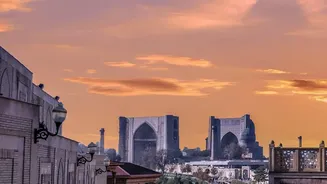
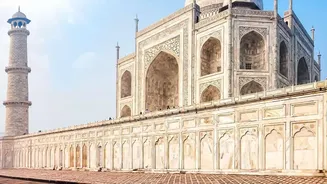
No trip to Uzbekistan is complete without visiting Samarkand, a city that evokes the grandeur of the Silk Road. The heart of the city is the Registan Square, a breathtaking ensemble of three ornate madrasahs. For Indian visitors, the Gur-e-Amir mausoleum holds special significance. It is the final resting place of the Turco-Mongol conqueror Timur and served as a blueprint for the magnificent Mughal tombs in India, including Humayun's Tomb and the Taj Mahal. You can also explore the sprawling Bibi-Khanym Mosque and the Shah-i-Zinda necropolis, a stunning avenue of mausoleums.
Bukhara: The Living Museum
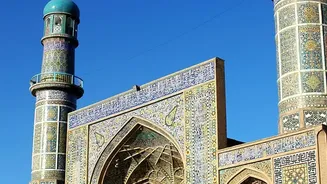
Often described as a city-museum, Bukhara’s historic centre is a UNESCO World Heritage site that feels like stepping back in time. With over 140 architectural monuments, the city is a treasure trove for history buffs. The Poi Kalon complex, with its towering 45-metre minaret, is the city's symbol. Wander through the labyrinthine alleys of the old town, explore the ancient trading domes, and visit the formidable Ark of Bukhara, a fortress that was once the residence of the city's emirs. The atmosphere here is thick with history, a testament to its past as a major centre for trade, scholarship, and culture.
Khiva: A Desert Oasis
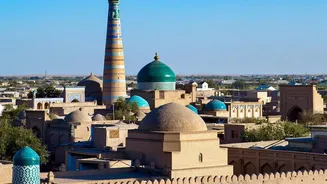
The city of Khiva, located in the heart of the desert, offers a unique experience. Its main attraction is Itchan Kala, the walled inner town that has been perfectly preserved. Walking through its gates is like entering a different century. The compact area is filled with mosques, madrasahs, and palaces, all decorated with mesmerising blue and turquoise tiles. Unlike the grand scale of Samarkand, Khiva offers a more intimate glimpse into the region's past. The city is best explored on foot, allowing you to discover hidden courtyards and climb minarets for panoramic views of the sand-coloured city.
Visa and Connectivity for Indians
Getting to Uzbekistan from India is increasingly convenient. Direct flights of around three hours are available from Delhi to Tashkent, operated by airlines like Uzbekistan Airways. In a significant move to boost tourism, Uzbekistan has recently announced a 30-day visa-free entry policy for Indian citizens, though travellers should confirm the official start date before making plans. Previously, a straightforward e-visa process was available online for a fee of about $20 USD. Upon arrival, it is advisable to use official or app-based taxis like Yandex Go.
Shared Culture and Cuisine
The cultural connection between India and Uzbekistan is profound, largely thanks to Babur, the founder of the Mughal Empire, who was born in modern-day Uzbekistan. This shared heritage is visible in architecture and especially in cuisine. Indian travellers will find familiar flavours in Uzbek food. The national dish, Plov, is a rice pilaf with meat and vegetables, reminiscent of biryani. Other popular dishes include shashlik (grilled meat skewers), samsa (baked savoury pastries similar to samosas), and manti (steamed dumplings). While the cuisine is predominantly meat-based, vegetarian options can be found in larger cities and Indian restaurants are also available.