



The Hydration Hero of Your Plate
Zucchini's most defining characteristic is its remarkable water content, which hovers around 94-95%. This makes it a fantastic food for hydration, but the benefits don't stop there. Because it's mostly water, zucchini is naturally very low in calories—a
medium-sized zucchini contains only about 33 calories. This high water-to-calorie ratio allows you to add significant bulk and volume to your meals, helping you feel full and satisfied without adding a heavy caloric load. Foods with low calorie densities are known to aid in weight management by promoting satiety and curbing appetite, making zucchini an excellent choice for anyone looking to eat lighter.
More Than Just Water
Despite its high water content, zucchini is far from nutritionally empty. It packs a surprising punch of essential vitamins and minerals. A single medium zucchini can provide a significant portion of your daily vitamin C needs, an antioxidant crucial for immune function and skin health. It is also a good source of vitamin B6, which plays a role in metabolism and may help regulate blood sugar. Furthermore, zucchini contains beneficial minerals like potassium, important for blood pressure control, and manganese. Many of these valuable nutrients, including antioxidants like carotenoids, are most concentrated in the skin, so it's best to wash it well and leave the peel on before cooking.
A Smarter Swap for Carbs
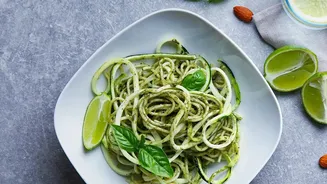
One of the most popular modern uses for zucchini is as a low-carbohydrate substitute for pasta. When spiralized into 'zoodles', it offers a similar texture and a neutral base for all your favourite sauces. The nutritional difference is stark: a cup of zucchini noodles contains around 20 calories and 4 grams of carbohydrates, while a cup of traditional spaghetti has about 210-220 calories and 43 grams of carbs. This makes zoodles an excellent option for those managing their carb intake or simply seeking a lighter alternative that won't leave them feeling heavy. Mixing half zoodles and half traditional pasta is also a great way to reduce calories while still enjoying a satisfying dish.
Boosting Digestion and Eye Health
Zucchini is a good source of dietary fibre, which is essential for healthy digestion. Fibre helps prevent constipation and maintains a healthy gut microbiome, which is your body's first line of defence against harmful bacteria. Beyond digestion, zucchini contains the antioxidants lutein and zeaxanthin. These compounds are known to accumulate in the retina of the eye, where they help filter harmful blue light and protect against age-related conditions like macular degeneration and cataracts.
Getting the Most Out of Zucchini
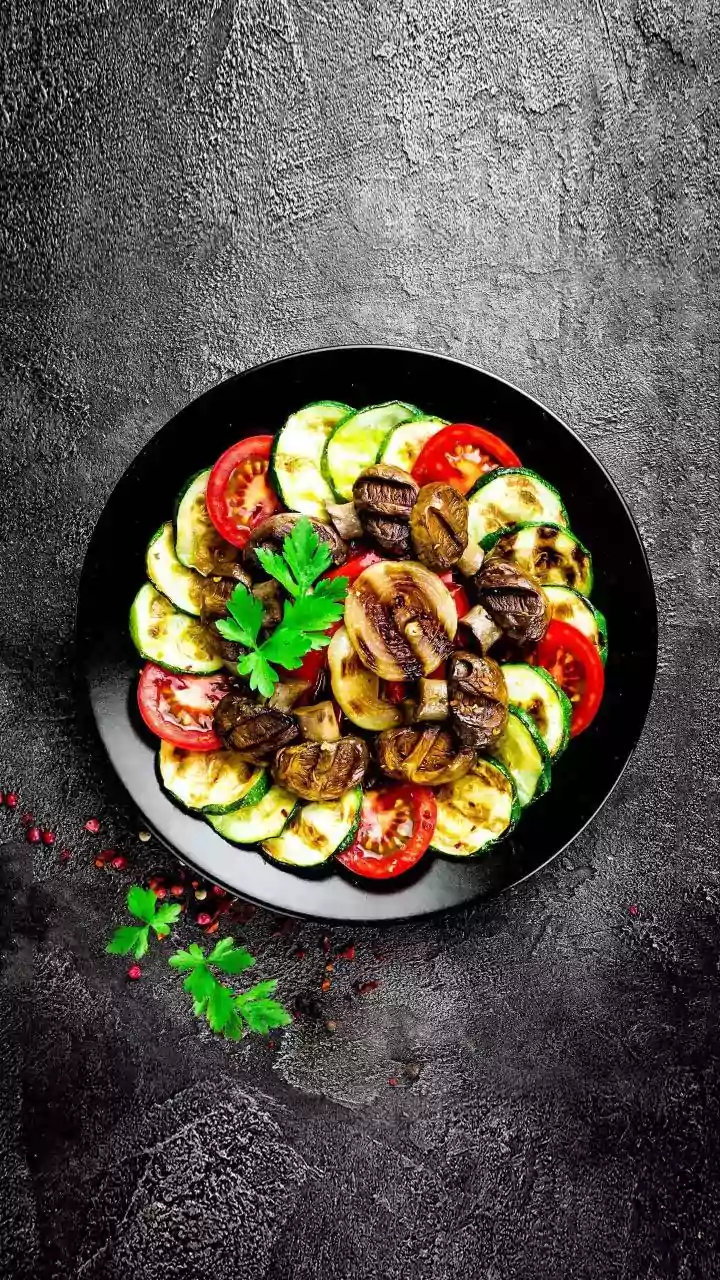
Thanks to its mild flavour, zucchini is incredibly versatile and can be enjoyed both raw and cooked. To retain the most nutrients, try steaming or eating it raw in salads. For a bit more flavour, grilling, roasting, or sautéing are excellent methods. You can add chopped zucchini to omelettes, stir-fries, and soups to boost the vegetable content. When making baked goods like bread or even brownies, grated zucchini can add moisture without altering the flavour significantly. When shopping, look for smaller, firm zucchinis about six inches long, as larger ones can be more watery and have a bitter taste.