


What Exactly Is This Green Drink?
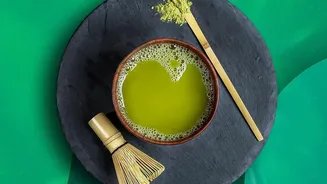
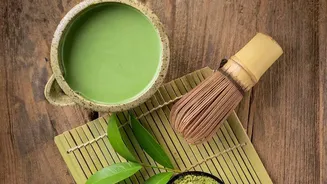
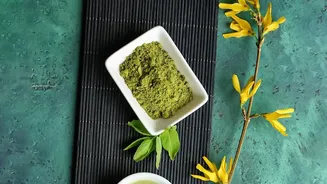
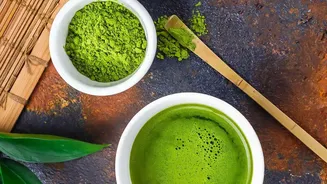
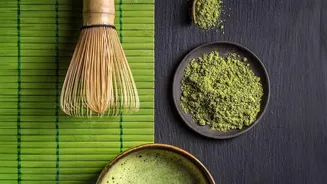
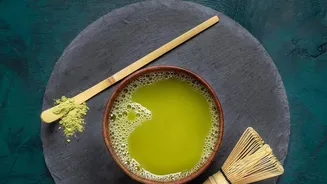
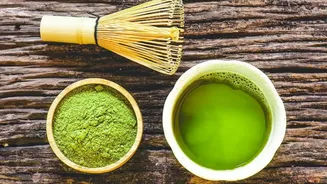
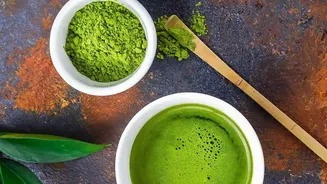
Before it was an Instagram star, matcha was a cornerstone of Japanese tea ceremonies. Unlike regular green tea where leaves are steeped and discarded, matcha is made by stone-grinding whole, specially grown tea leaves into a fine powder. You then whisk
this powder with hot water or milk, meaning you consume the entire leaf. This process gives matcha its intense colour, a unique umami or savoury flavour, and a concentrated dose of the nutrients found in the tea plant. While its earthy, slightly bitter taste can be an adjustment for palates accustomed to sweet, milky chai, its distinctiveness is a key part of its appeal.
The Rise of a Global Trend in India
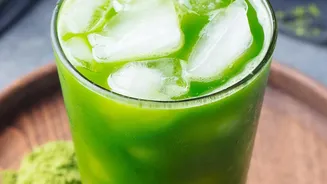
So, how did a ceremonial Japanese tea become one of India’s fastest-growing café beverages?. The answer lies in a perfect storm of factors. The third-wave coffee shop movement, which popularised artisanal and craft beverages, laid the groundwork. Cafes that educated consumers on single-origin coffee found it easy to introduce another premium, story-rich drink. This was amplified by social media, where matcha's photogenic green hue made it a visual sensation. But the interest goes beyond aesthetics. Google Trends data reveals a huge spike in searches from India for terms like "how to make matcha" and "matcha health benefits," indicating a shift from passive curiosity to active participation. This trend is no longer confined to metros like Delhi and Bengaluru; cafes in cities like Agra, Lucknow, and Jaipur are also adding it to their menus.
Driven by a Search for Wellness
A major driver of matcha’s popularity is its reputation as a 'functional' beverage—a drink chosen for its health benefits beyond simple refreshment. Matcha is packed with antioxidants and contains a unique amino acid called L-theanine, which is associated with a feeling of 'calm alertness' that many prefer over the jolt of coffee. This aligns perfectly with a broader shift among urban Indian consumers towards wellness and mindful living. As people become more health-conscious, they are actively seeking out products that offer benefits like improved focus, better digestion, or boosted immunity. Matcha, positioned as a healthy and purposeful drink, fits seamlessly into this modern lifestyle.
An Increasingly Adventurous Indian Palate
Matcha’s success isn't happening in a vacuum. It’s the most visible symptom of a larger trend: the Indian consumer is becoming more adventurous. Global exposure through travel and the internet has cultivated a curiosity for international flavours. We see this in the rising popularity of other global ingredients like gochujang and burrata, and beverages like kombucha and specialty coffee. Crucially, Indians are not just adopting these trends but adapting them. The emergence of drinks like 'mango matcha' and 'dirty matcha' (a mix with coffee) shows a playful fusion of global trends with local tastes. This experimentation demonstrates a new confidence in navigating and customising global food culture.
More Than Just a Drink
The matcha trend also reflects a deeper desire for premium experiences. Consumers are willing to pay more for products that have a compelling story, quality ingredients, and a sense of craft. The ritual of preparing matcha—the whisking, the bowl—adds to this experience, making it feel more special than an ordinary cup of tea. This 'premiumisation' is visible across India's beverage market, from artisanal gins to regional specialty coffees. It’s a sign that for many, a beverage is no longer just a product; it’s an experience and a form of self-expression. As the market for home preparation grows, with searches for matcha whisks and bowls surging, it’s clear this trend is brewing far beyond the cafe.