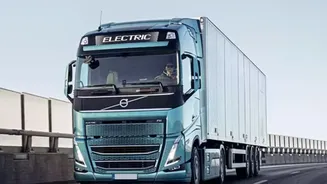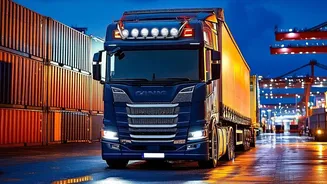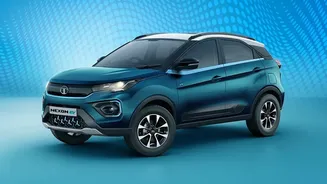








In a landmark move for India's logistics sector, Amazon and Tata Motors are joining forces to clean up freight movement. This new partnership aims to deploy thousands of electric trucks, tackling a major source of emissions in e-commerce.
A Major Push for Electric Trucking
Amazon India
and Tata Motors have announced a significant collaboration to deploy 3,000 electric trucks across Amazon's vast transportation network. This initiative represents the largest electric-truck deployment by any e-commerce company in India and marks a strategic shift to electrify operations beyond just last-mile delivery vans and scooters. The first batch of these vehicles, specifically the Tata Ultra E.7 model, was flagged off in Delhi on October 27, 2026, to coincide with the busy festive season, a peak time for e-commerce logistics. Under the agreement, Tata Motors will supply the electric trucks, while Amazon's third-party carrier partners will own and operate them, with Tata providing crucial service and operational support.
Beyond the Last Mile
Until now, Amazon's electrification efforts in India, which already include over 15,000 EVs across more than 500 cities, have largely focused on last-mile delivery. This partnership targets the 'middle mile'—the critical and carbon-intensive process of moving goods between fulfilment centres and sorting hubs. The middle-mile is often considered one of the most challenging parts of the supply chain to decarbonise due to heavier payloads and longer, more demanding duty cycles. By introducing electric trucks into this segment, Amazon and Tata are testing the viability of zero-emission vehicles for large-scale, routine freight operations, moving beyond pilot programs into mainstream use.
Amazon's Global Climate Pledge in Action
This collaboration is a key component of Amazon's global commitment to The Climate Pledge, which aims to achieve net-zero carbon emissions by 2040. Electrifying its transportation network is a cornerstone of this strategy. The initiative builds on previous projects like Laneshift, a program with C40 Cities that piloted electric trucks on the Bengaluru-Chennai corridor, providing valuable data and an evidence-based roadmap for this larger deployment. By tackling commercial freight, which accounts for a significant share of transport-related emissions, Amazon is addressing one of the toughest challenges in its path to decarbonisation.
Tata Motors Cements its EV Leadership
For Tata Motors, India's largest commercial vehicle manufacturer, this partnership is a massive vote of confidence in its electric vehicle technology. The deal provides a large, sustained demand for its commercial EVs, solidifying its leadership position in India's electric mobility transition. The Tata Ultra E.7 truck features CCS2 fast charging, regenerative braking, and a modern, crash-tested cabin, designed to offer lower operating costs and higher uptime compared to diesel counterparts. This collaboration allows Tata to showcase its capabilities on a national scale, demonstrating that Indian-made electric trucks are ready for the demands of a toptier logistics network.
The Road Ahead: Corridors and Challenges
The initial rollout will focus on intra city routes in Delhi, but the ambition is far greater. The partnership's next phase aims to electrify one of India's longest and busiest freight corridors : the 2,800 km route along National Highway 48 that connects Delhi , Bengaluru , and Chennai . This will require a significant build out of supporting infrastructure , including specialised charging stations being developed with provider Yahhvi . While the initiative is a major step forward , success will depend on overcoming challenges like ensuring reliable charging availability , managing vehicle downtime during charging , and proving the economic viability of electric trucks over long distances .