





A Landmark Project Takes Shape
In a significant move for Indian ecotourism, the Central Zoo Authority has given its approval for a Desert Zoological Park and Night Safari in Gujarat. The groundbreaking project will be located at Juna Deesa in the Banaskantha district, transforming
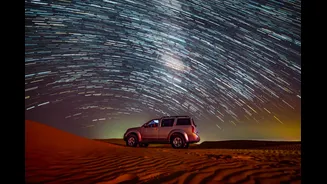
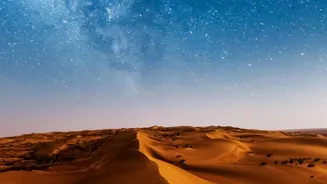
over 100 hectares of land into what is being called Asia's first desert-themed drive-through night safari. With an estimated cost exceeding ₹540 crore, the initiative is a joint effort led by the Gujarat Forest Department to create a world-class destination that blends tourism with a strong focus on wildlife conservation and education. The site at Juna Deesa was strategically chosen for its large, contiguous land area, natural sand dunes, and proximity to the Banas River, providing an ideal canvas for recreating an authentic desert environment.
The Magic of a Night Safari
Unlike a traditional zoo or daytime safari, a night safari offers a rare glimpse into the world of nocturnal animals, which are most active after sunset. The project in Deesa will feature five dedicated night safari enclosures where visitors can observe these elusive creatures in a controlled, naturalistic setting. This after-dark experience allows for the viewing of animals exhibiting their natural behaviours, from hunting and foraging to social interactions, all under carefully managed lighting that simulates moonlight without disturbing them. This format provides an immersive and thrilling alternative to conventional wildlife viewing, focusing on species that are typically hidden away and inactive during the day.
Crafting a True Desert Ecosystem
The core promise of the project is its dedication to authenticity. The park is being meticulously designed around a desert ecosystem, incorporating natural arid landscapes to house a wide array of species. This involves cultivating native flora and creating habitats that mirror those found in India's dry regions. The plan also includes several other immersive zones, such as a reptile safari, a butterfly park, and even a rainforest biome and an aquarium, creating a diverse ecological experience for visitors. To ensure the project's long-term viability and minimal environmental footprint, it will integrate green technologies like rainwater harvesting, solar power generation, and comprehensive waste management systems.
The Animals of the Arid World
The zoological park is expected to be home to approximately 2,700 animals representing over 80 different species. The collection will feature a rich variety of Indian desert fauna, including the Indian wild ass, chinkara, blackbuck, sloth bear, Indian wolf, striped hyena, and the elusive caracal. In a major attraction, the park will also host iconic species like the Asiatic lion and leopard. Beyond native wildlife, the park plans to introduce exotic species from other desert ecosystems around the globe. Visitors can look forward to seeing animals like the African cheetah, black rhinoceros, giraffes, zebras, and meerkats. There are also proposals to include Australian desert species such as kangaroos and emus, making it a truly global showcase of arid-adapted wildlife.
More Than Just an Attraction
Officials have emphasized that the Deesa project is more than just a tourist destination; it is envisioned as a vital centre for conservation. The facility will play an active role in the conservation breeding of rare and endangered species, wildlife rescue and rehabilitation, and public education. An interpretation centre will offer visitors deep insights into the importance of desert ecosystems and the challenges faced by their inhabitants. By combining a unique visitor experience with serious conservation and research efforts, the park aims to foster a greater appreciation for wildlife and promote environmental stewardship among the public.