







From Paddy Fields to Profitable Ponds
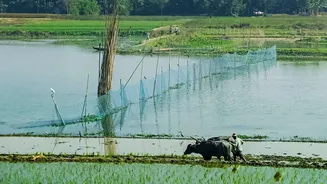
Manohar Shetty, a farmer from Uliyaragoli in Karnataka's Udupi district, was no stranger to the struggles of traditional farming. For years, he cultivated paddy on his 15 to 20 acres of land, but inconsistent rainfall, persistent labour shortages, and escalating
costs made it an unsustainable venture. Faced with mounting losses, Shetty, who is also the Managing Director of the Sai Radha Group, began looking for a viable alternative. His research led him to stories of successful lotus cultivation in other parts of Karnataka like Mandya and Mysuru. Intrigued, he dedicated nearly three months to studying the aquatic crop before deciding to take a calculated risk.
The Business of Blooms
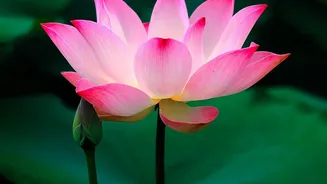
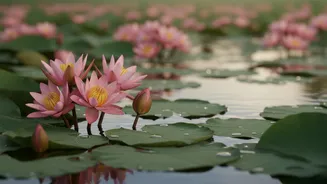
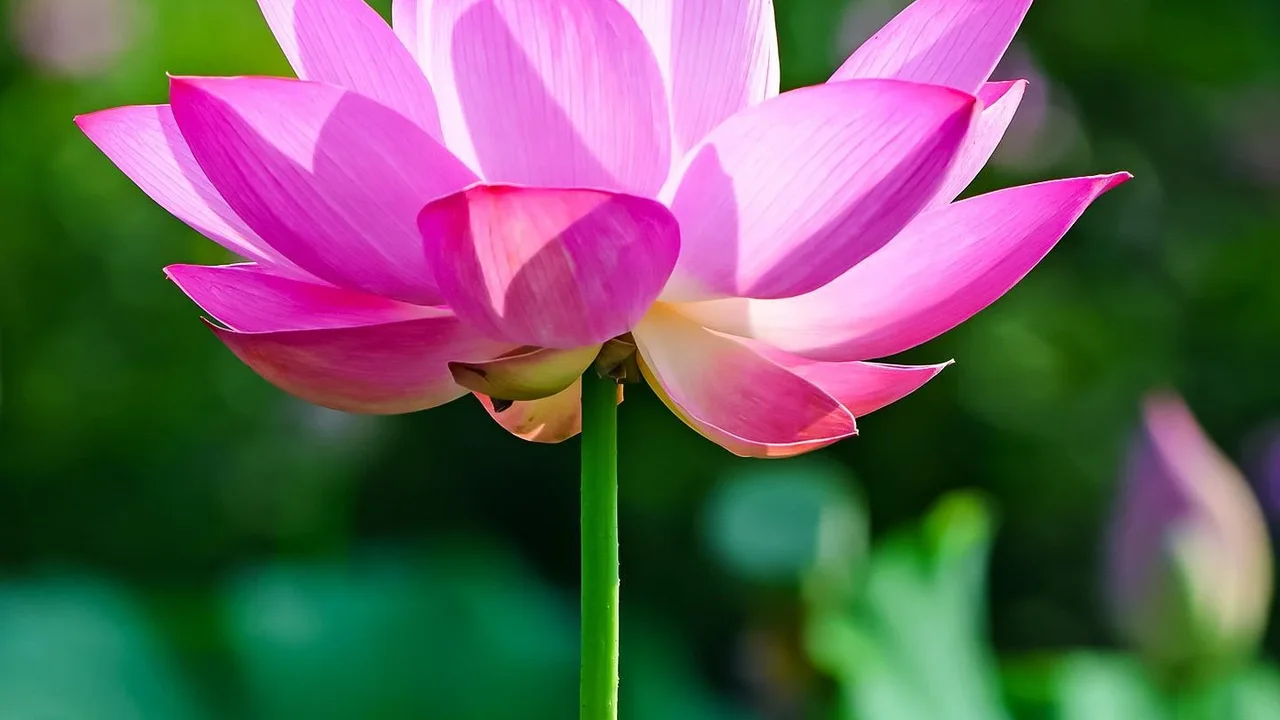
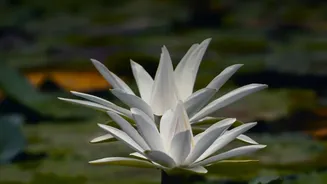
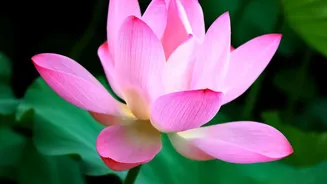
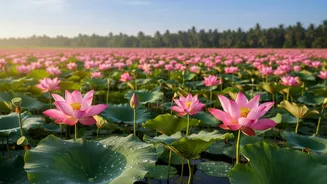
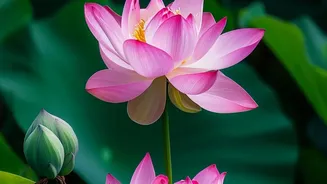
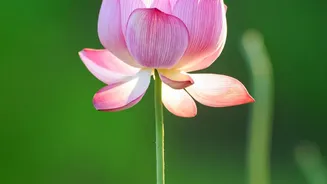
Shetty started by converting three acres of his paddy field into a dedicated lotus pond. He chose varieties well-suited for the coastal climate, including Pink Cloud, White Peony, and Bucha. The process involved preparing the land with organic farmyard manure and maintaining knee-deep water levels. Within 90 days, the first flowers began to bloom. Now, the farm harvests between 400 and 500 lotus flowers every single day. Each flower is sold for approximately ₹15, primarily to prominent temples like the Kollur Mookambika Temple and others in Ucchila and Kapu. Flower traders from the region also buy directly from his farm, ensuring a steady demand. This consistent daily sale allows the farm to generate an estimated monthly income of up to ₹1 lakh, a figure that has turned his agricultural fortunes around.
An Organic Approach to Success
A key aspect of Shetty's success is his commitment to organic farming. Instead of chemical pesticides, which could harm the delicate aquatic ecosystem, he uses natural pest control methods derived from neem. This ensures the flowers are pure and suitable for religious offerings, a primary market for his produce. This organic approach not only protects the environment but also adds value to his crop. The success of his venture has positioned him as a pioneer in the region, showcasing an alternative income source for other farmers grappling with similar challenges in coastal areas.
More Than Just a Flower
The commercial potential of the lotus plant extends far beyond its beautiful flowers. Shetty notes that every part of the plant has value. The stems can be used to produce fibre for textiles, the roots can be processed into pickles, and the seeds are used in nutritious food products. Even the leaves have a market, often used as natural, eco-friendly plates in hotels and at events. This multi-faceted value stream presents even more opportunities for monetization. Recognizing this potential, Shetty is now encouraging other local farmers, believing that hundreds of acres in the Kapu region are suitable for lotus cultivation. He actively provides technical guidance and helps connect interested farmers with potential markets to replicate his success.