










A Monumental Cinematic Experience
Imagine a film so visually detailed and immersive that it makes the screen disappear. That's the promise of The Odyssey, a new science fiction epic from a visionary director that has film enthusiasts buzzing. But this isn't just about the movie's story;
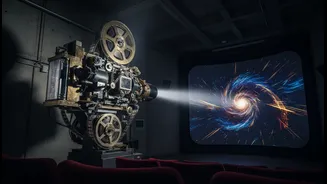
it's about how you see it. The director made a bold choice to shoot and present the film in 15/70mm IMAX, a massive analog film format renowned for its unparalleled sharpness, clarity, and depth. This isn't your standard digital projection. It's a commitment to a tangible, photochemical process that delivers an image with a resolution that some experts estimate is equivalent to 16K, far surpassing any digital format available today. The goal is to create a truly immersive experience, one that fills your peripheral vision and pulls you completely into the world of the film.
The Majesty of 15/70mm IMAX Film
So what exactly is 15/70mm IMAX? The name itself gives you clues. The film stock is 70mm wide, but unlike standard 70mm film where the frames run vertically, IMAX film runs horizontally. Each frame is a massive 15 perforations wide, creating an image area roughly ten times larger than a standard 35mm frame. This larger negative captures an astonishing amount of visual information, resulting in breathtaking detail and a unique, taller aspect ratio of 1.43:1 that fills the entire giant screen from floor to ceiling. The result is a viewing experience that is more akin to looking through a window than watching a screen. Filmmakers who champion this format argue that it provides an unmatched sense of scale and presence that simply cannot be replicated by digital projectors.
A Logistical and Technical Challenge
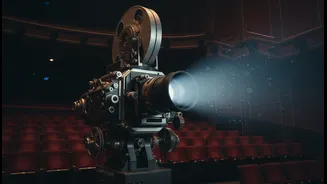
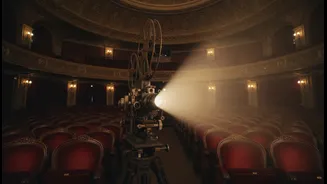
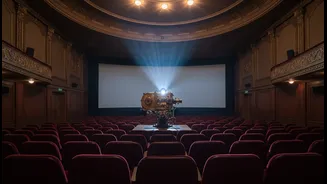
If this format is so incredible, why are there only 41 screens in the world showing The Odyssey this way? The answer lies in the immense technical and logistical hurdles. For starters, IMAX stopped making 15/70mm film projectors decades ago. The existing machines are rare, require constant maintenance, and must be retrofitted or rebuilt to screen a modern feature. Furthermore, projecting a film like The Odyssey is a monumental task. The physical film prints are enormous; for a feature-length film, the reels can weigh up to 270 kilograms and stretch for nearly 18 kilometers. This requires specialized platter systems and highly trained projectionists who are skilled in handling the delicate and cumbersome film stock. Many modern multiplexes are simply not built to house this kind of analog equipment, making each of the 41 capable theaters a rare gem.
The Global Hunt for a Perfect Screening
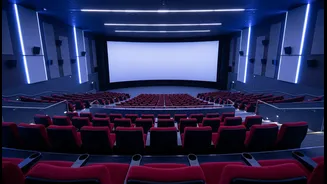
These 41 screens are scattered across the globe, turning a simple movie outing into a pilgrimage for dedicated cinephiles. The list includes iconic venues like the BFI IMAX in London, AMC Lincoln Square in New York, and the IMAX at Melbourne Museum in Australia. In India, a select few venues have undertaken the extensive upgrades required, making them premier destinations for film lovers in the region. These aren't just any theaters; they are temples of cinema, often featuring some of the largest screens in the world and meticulously maintained sound and projection systems. Getting a ticket can be an event in itself, with shows selling out weeks in advance and fans often travelling across countries for the chance to witness the spectacle in its intended glory.
More Than a Movie, It's an Event
In an era dominated by streaming and the convenience of home viewing, the release of The Odyssey in 15/70mm IMAX is a powerful statement about the enduring magic of the theatrical experience. It asks more of the audience—to seek out a specific location, to book tickets in advance, and to be present in a communal space. But the reward is a viewing experience that is profoundly different from any other. The vibrancy of the colors, the depth of the image, and the sheer scale of the presentation create an unforgettable spectacle. It’s a reminder that some artistic visions demand a canvas of a certain size and a presentation of a certain quality. This isn't just about seeing a movie; it's about participating in a rare cultural event that celebrates filmmaking at its most ambitious and spectacular.