





A Recipe for Economic Growth
Uttar Pradesh is plating up its rich culinary heritage as a new engine for economic development. Building on the success of the 'One District, One Product' (ODOP) scheme, the government has launched the 'One District, One Cuisine' (ODOC) initiative. The
goal is to identify, brand, and promote a signature dish from each of the state's 75 districts, transforming local food traditions into global attractions. This ambitious plan aims to do more than just celebrate food; it's a strategic effort to generate employment, support small entrepreneurs, and boost tourism. By creating organised branding and ensuring quality control, the state hopes to give its traditional 'halwais' (confectioners), artisans, and small restaurateurs a sustainable livelihood and a much larger market. The government plans to support these local food heroes with everything from better packaging and hygiene standards to marketing and export facilitation.
Beyond the Usual Delicacies
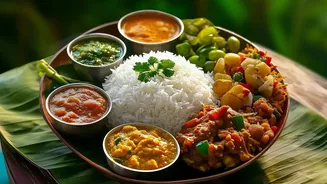
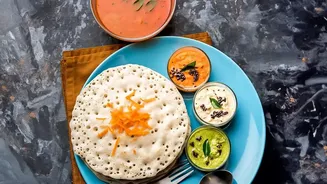
While Lucknow's Awadhi cuisine and Agra's petha are famous, the ODOC scheme aims to shine a light on lesser-known gems. The official list of 208 dishes highlights a vast array of vegetarian specialities, from sweets and snacks to full meals. Think of Mainpuri's flaky sonpapdi, the rich rabri from Hathras, Barabanki's sweet chandrakala, or the unique white carrot halwa from Azamgarh. The plan also celebrates staples like litti-chokha from Purvanchal, Jaunpur's flower-shaped imarti, and the humble but delicious samosa from Kanpur. However, the initial list has sparked conversation among food lovers for its exclusion of the state's iconic non-vegetarian dishes, such as Lucknow's galouti kebabs or Moradabadi biryani. Officials have suggested the list may be flexible, but for now, the focus is squarely on a diverse range of vegetarian and sweet preparations that form the cultural heart of many districts.
From Local Kitchens to Global Markets
The ODOC initiative is designed to create a comprehensive support system for local food businesses. A key focus is on improving quality and shelf life through better technology, food-grade packaging, and adherence to food safety standards. Entrepreneurs can receive subsidies to help them upgrade their operations. The branding strategy includes developing unique logos for each district's cuisine and using QR codes on packaging to share the product's story, nutritional information, and cultural background. This will help turn items like Mathura's peda and Banarasi paan into well-defined, market-ready brands with potential for GI-tag recognition. The government aims to establish cuisine clusters and integrate these products into the wider market through dedicated retail outlets, hotels, and restaurants, effectively taking these local flavours from UP to the world.
A New Itinerary for Food-Loving Travellers
For tourists, this initiative promises a richer and more authentic travel experience. Instead of sticking to major cities, travellers will have a compelling reason to explore lesser-known districts, guided by their taste buds. The plan envisions creating food trails and promoting culinary tourism where visitors can sample signature dishes in the very places they originated. This not only offers a unique journey through the state's culture but also directly benefits local economies by supporting small hotels, cafes, and food stalls. The promotion of these regional specialties at airports, railway stations, and major tourist spots will further position Uttar Pradesh as a premier destination for gastronomy, building on Lucknow's recent recognition as a UNESCO Creative City of Gastronomy.