



Where Does Sugar Come From?
Both brown and white sugar start their journey from the same place: either the sugarcane plant or the sugar beet. The initial process involves extracting juice from these plants, which is then cleaned, heated, and concentrated into a thick, dark syrup.
This syrup contains both sugar crystals (sucrose) and a dark, viscous liquid called molasses. The key difference between the two final products we see on shelves lies in what happens next with the molasses.
The Great Molasses Divide
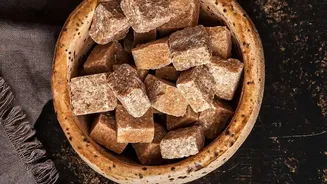
To create white sugar, a centrifuge is used to spin the crystals at high speed, separating them entirely from the molasses. The sugar is then further processed and filtered to remove any remaining color and moisture, resulting in the pure white, dry crystals we know as granulated sugar. Most commercial brown sugar, on the other hand, is simply refined white sugar that has had a specific amount of molasses added back to it. Light brown sugar contains about 3.5% molasses, while dark brown sugar has a higher concentration of around 6.5%, giving it a stronger flavor and darker color.
The Nutritional Myth
Here's the most misunderstood part of the debate. Because molasses contains trace amounts of minerals like calcium, potassium, and iron, brown sugar technically has more of these nutrients than white sugar. However, the amounts are so incredibly small that they are considered nutritionally insignificant. You would have to eat an unhealthily large quantity of brown sugar to get any meaningful mineral benefit. When it comes to calories, the two are nearly identical. A teaspoon of white sugar has about 16 calories, while a packed teaspoon of brown sugar has around 15 to 17. In short, from a health perspective, your body processes them in almost the exact same way. The belief that one is significantly healthier than the other is largely a myth.
The Real Difference: Taste and Texture
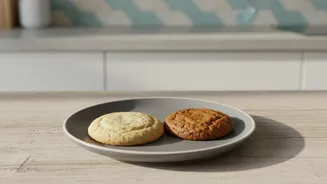
The true distinction between brown and white sugar is all about their culinary performance. The molasses in brown sugar makes it moist and gives it a distinct caramel or toffee-like flavor. This moisture is hygroscopic, meaning it attracts and holds onto water. This is why brown sugar is a key ingredient in making baked goods like cookies chewier and denser. White sugar, being dry and neutral in flavor, provides sweetness without interfering with other ingredients. It helps create lighter, crispier textures, making it ideal for things like meringues, shortbread, and light, airy cakes. The slight acidity of molasses can also react with baking soda to provide leavening, giving an extra lift to certain recipes.
Which One Should You Use?
The choice between brown and white sugar should be based entirely on the flavor profile and texture you want to achieve in your recipe. Craving a soft, chewy cookie with deep caramel notes? Reach for the brown sugar. Baking a delicate angel food cake or making a batch of brittle where a crisp snap is essential? White sugar is your best bet. While they can often be substituted for one another in a pinch, be aware that doing so will change the final outcome. Using white sugar instead of brown might result in a flatter, crispier cookie. Using brown sugar in place of white might give your vanilla cake a denser crumb and a slight molasses flavor. Neither is wrong—it just depends on your preference.