







The Case for Yoga: An Inner Journey
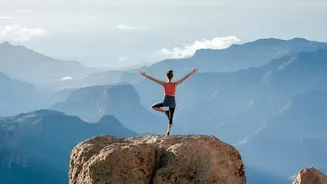
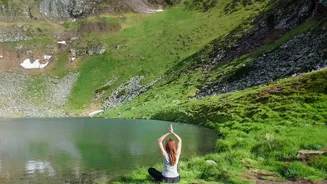
Yoga is an ancient practice renowned for its ability to calm the mind and body through a combination of physical postures, controlled breathing, and meditation. Its primary strength in combating stress lies in its direct influence on the nervous system.
The practice can help lower levels of stress hormones like cortisol while increasing the production of beneficial brain chemicals such as endorphins and GABA, which are associated with a better mood and decreased anxiety. This makes yoga a powerful tool for anyone feeling overwhelmed by racing thoughts or internal tension. The focus is on mindfulness, drawing your attention to the present moment and the sensations within your own body, which can effectively quiet the mental chatter that often fuels stress.
The Case for Hiking: Nature's Reset Button
Hiking, often called 'nature's therapy', leverages the restorative power of the great outdoors. The benefits begin with the simple act of being in a natural environment, which has been shown to reduce stress, calm anxiety, and lower the risk of depression. Physiologically, hiking is a cardiovascular workout that releases mood-boosting endorphins. Studies show that time spent in nature, especially activities like forest hiking, can significantly lower cortisol levels by modulating the body's stress response system. This offers a more externalized form of stress relief, where the combination of physical movement and sensory input from the environment—the sights, sounds, and smells of nature—provides a welcome distraction and a profound sense of peace.
Physical Demands: Controlled vs. Unpredictable
The physical experience of yoga is highly adaptable. Whether you opt for a gentle, restorative class or a physically demanding power vinyasa session, the intensity is largely within your control. The practice excels at improving flexibility, balance, and core strength. Hiking, on the other hand, presents a different kind of physical challenge. The intensity is dictated by the terrain—its steepness, length, and conditions. It’s a full-body workout that builds cardiovascular health and strengthens large muscle groups, particularly in the legs. While a leisurely walk on a flat trail is accessible to many, a mountainous trek requires a significant level of endurance and stamina.
Mental Focus: Inward Stillness vs. Outward Awareness
Your mental state during each activity is quite different. Yoga encourages an inward focus, a deep dive into your own breath and body awareness, known as proprioception. The goal is often to find stillness even amidst a challenging pose, developing a sense of mental balance and calm that can be carried off the mat. Hiking demands an outward awareness. You need to pay attention to the trail, navigate obstacles, and remain aware of your surroundings. This can be a form of moving meditation, forcing you to be present in a different way by engaging fully with the world around you. For those whose stress comes from feeling trapped in their own heads, hiking's external focus can be liberating.
Accessibility, Cost, and Community
Both activities have a low barrier to entry. Yoga can be practiced anywhere with just a mat, and countless free resources are available online. However, studio classes come with a cost, though they also provide expert guidance and a strong sense of community. Hiking is fundamentally free—all you need is a good pair of shoes and a local trail. The costs can grow with investments in specialized gear and travel to more remote locations. The social aspect of hiking is often more informal, built around shared experiences with friends or joining local clubs, which can foster strong bonds.