






The Challenge on Our Plates
It’s a conversation happening in markets and homes everywhere: grocery bills are climbing. Recent trends show a noticeable increase in the costs of essential food items. Vegetables, in particular, have seen sharp price hikes, with staples like onions
leading the charge due to weather-related supply disruptions. This surge in food inflation is a direct challenge to the budget of every Indian family. The pressure is felt weekly, as what used to be a standard grocery run now requires more careful calculation and often, compromise. Households are finding that their regular food spending is buying them less, pushing them to find smart ways to stretch every rupee.
What is an Adaptable Recipe?
An adaptable recipe is less a rigid set of instructions and more a flexible cooking blueprint. The core idea is to understand the function of each ingredient in a dish—what provides sourness, what gives body, what adds aroma—and then be ready to substitute it based on cost and availability. It’s a traditional skill that our grandmothers mastered out of necessity, and it's incredibly relevant today. This approach empowers you to cook your favourite meals without being dependent on a single, expensive ingredient. If tomatoes are costly, you can still achieve that tangy flavour. If a particular vegetable is out of season, you can still make a delicious and nutritious sabzi.
The Power of Smart Swaps
Mastering substitutions is the cornerstone of adaptable cooking. When a key ingredient's price skyrockets, knowing the alternatives can be a game-changer. For instance, if tomatoes are too expensive, tamarind paste, kokum, or even a dash of lime juice mixed with a little sugar can provide the necessary sourness in many gravies and dals. Similarly, if a specific dal like tur is costly, you can often substitute it with masoor or moong dal, which might be more affordable. For pungency, if asafetida (hing) is unavailable, a small amount of garlic or onion powder can offer a different but still flavourful base. The goal is to maintain the soul of the dish while being flexible with its components.
Embrace Seasonal and Local Produce
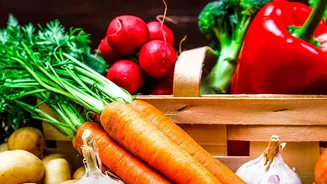
One of the most effective ways to combat food inflation is to align your cooking with the seasons. Fruits and vegetables that are in season are not only fresher and more nutritious but also significantly cheaper because they are abundant. Visiting your local market gives you direct access to this seasonal bounty. Traditional Indian food wisdom has always been rooted in seasonal eating—think of warming winter vegetables or cooling summer gourds. By planning your meals around what is currently being harvested locally, you naturally save money and support local farmers. This practice also encourages variety in your diet throughout the year.
Make Your Gravies and Proteins Work Harder
Another practical strategy is to adopt a 'master recipe' approach. For example, you can prepare a large batch of a basic onion-tomato or spinach gravy. This base can then be used to create several different dishes during the week by simply adding different vegetables, paneer, or legumes. This saves both time and money. When it comes to proteins, being flexible is key. Consider using a mix of dals to create a balanced and affordable protein source. On days when you want to reduce costs, using legumes and pulses as the star of the dish instead of more expensive proteins can make a significant difference to your weekly budget without compromising on nutrition.