









The Ambitious Promise of UDAN
Launched in 2016, the Ude Desh ka Aam Naagrik (UDAN) scheme was a landmark initiative to make air travel affordable and connect India's vast, underserved regions. The core idea was simple but powerful: operate flights on commercially unviable routes with
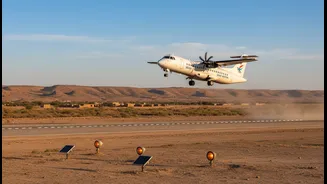
government support. Airlines would receive Viability Gap Funding (VGF) to cover losses, while a certain number of seats would be sold at a capped, subsidised price. The scheme successfully operationalised hundreds of new routes, revived dormant airstrips, and allowed over 16.6 million passengers to take to the skies, often for the first time. It connected remote destinations like Jharsuguda in Odisha and Tezu in Arunachal Pradesh, turning the dream of national air connectivity into a tangible reality.
Turbulence Ahead: Why Routes Are Grounded
Despite its initial successes, the scheme is hitting serious headwinds. Recent data reveals a stark reality: of the 669 routes made operational since 2017, only 336 remain active. The primary reason is economic unsustainability. Many routes suffer from low passenger load factors, making them unprofitable for airlines once the initial three-year subsidy period ends. Smaller regional carriers, which are crucial to the scheme, have struggled with poor financial health, often operating with just one or two poorly maintained aircraft and competing with major airlines for pilots. Additionally, significant infrastructural and regulatory hurdles persist. Delays in making airports ready, a lack of all-weather landing systems, and poor access to slots at major metro airports like Delhi and Mumbai have compounded the problem, leaving airlines with permissions but no viable way to operate.
The Risks of Widespread Discontinuation
The grounding of flights carries significant risks beyond just empty airports. It erodes the initial gains in regional connectivity, potentially re-isolating communities and businesses that had begun to rely on air travel. For many small towns, these flights were a lifeline, boosting local economies, tourism, and access to healthcare and education. The suspension of services, like those at Karnataka's Bidar and Kalaburagi airports after their subsidies expired, undermines business confidence and can lead to a reversal of economic momentum. Furthermore, it raises questions about the efficient use of public funds. Billions have been invested in upgrading remote airports and providing subsidies; if these assets are underutilised, it represents a substantial loss of public investment and a setback for the goal of inclusive growth.
Hidden Benefits: An Opportunity for Course Correction
While the high number of discontinued routes is concerning, it also offers a valuable, if painful, lesson. It highlights the routes and models that are simply not viable, preventing the indefinite pouring of public money into unsustainable operations. This forced reckoning is, in a way, a benefit. It allows policymakers to distinguish between routes that need temporary support and those that lack fundamental demand. Acknowledging these failures is the first step toward building a more resilient and economically sound regional aviation network. The government's decision to re-evaluate the scheme is a tacit admission of its shortcomings and an opportunity to design a more robust framework for the future.
A New Flight Plan: Practical Next Steps
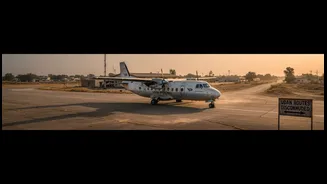
Recognising the challenges, the government recently launched 'Viksit UDAN', a revamped version of the scheme with a substantial outlay of nearly ₹29,000 crore. A key change is extending the VGF support period from three to five years, giving airlines a longer runway to develop route viability. However, financial support alone is not enough. Experts suggest a multi-pronged approach. This includes a better network design, focusing on a hub-and-spoke model that connects small towns to major metros where demand is proven. There is also a push for promoting smaller, more cost-effective indigenous aircraft like the HAL Dhruv and Dornier to serve routes with thinner demand. Finally, improving infrastructure by installing Instrument Landing Systems (ILS) for all-weather operations and ensuring airport readiness before awarding routes are critical to prevent future cancellations.