



A Movement, Not Just a Trend
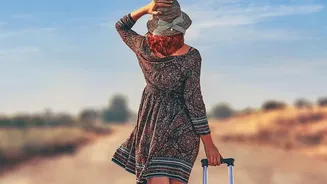
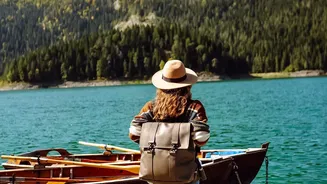
The image of a woman travelling alone is no longer an anomaly; it's a powerful and growing movement. In India, the trend is particularly striking, with some reports showing a surge of over 135% in solo female travel bookings in recent years. This demographic
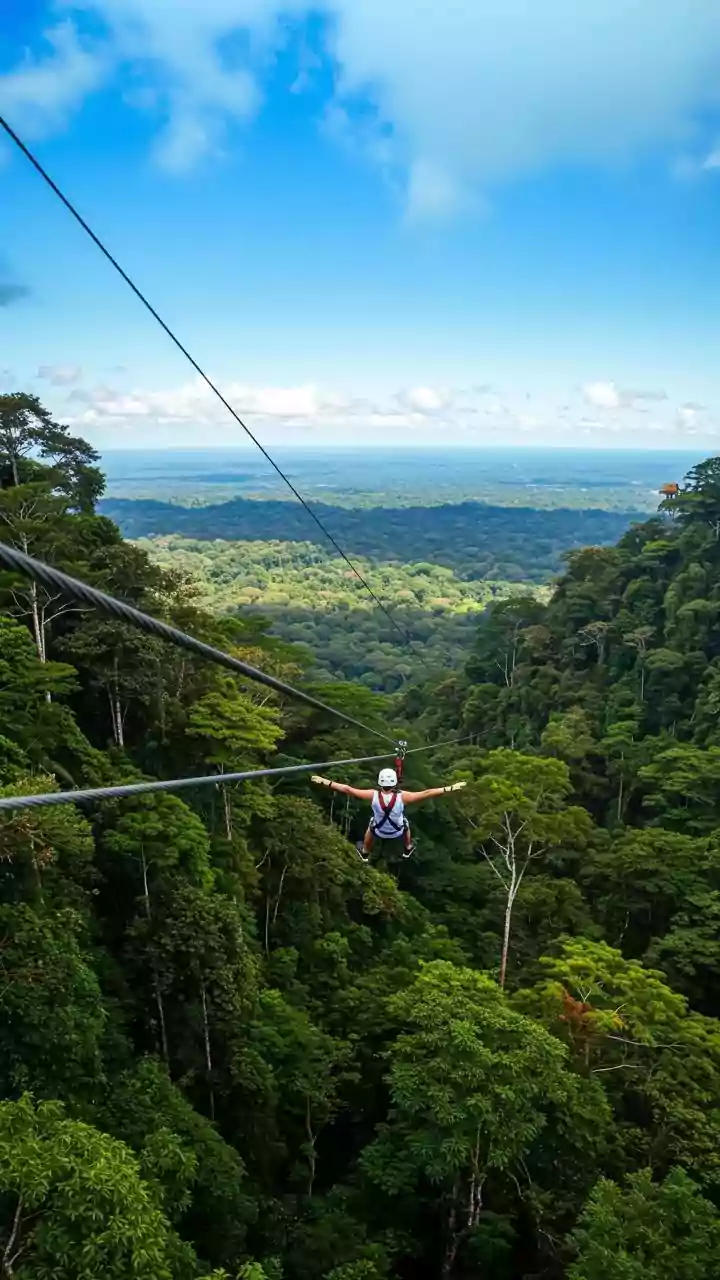
now designs or influences a significant majority of all leisure travel itineraries. This isn't just about a vacation; it's about embracing freedom, independence, and the chance to connect with the world on one's own terms. Driven by factors like financial independence and the wealth of information available online, women are increasingly packing their bags without waiting for a partner or family, rewriting the rules of exploration.
How 'Safety' Is Being Redefined
For decades, a destination's safety was judged almost exclusively on low crime rates. But the latest analyses go much deeper, reflecting a more nuanced understanding of what makes a woman feel secure. New rankings often combine multiple data sets, such as the Global Peace Index (GPI) for overall stability and the Georgetown Institute's Women, Peace, and Security (WPS) Index. The WPS Index specifically measures factors like legal protections for women, a sense of community safety, and freedom from discrimination. This multi-faceted approach moves beyond simple crime statistics to evaluate whether a country offers a genuinely respectful and comfortable environment for a woman exploring alone. The result is a more holistic and practical guide for the modern traveller.
The 2026 Safe Destinations Shortlist
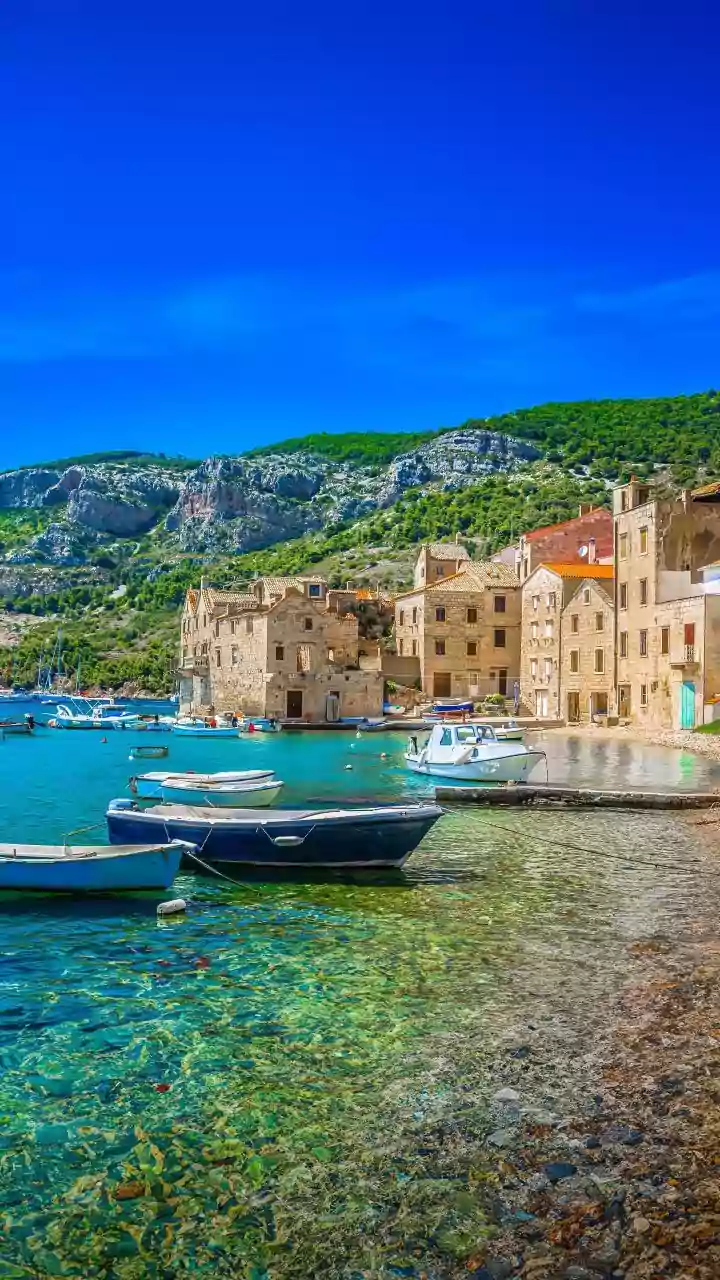
So, where does this new, data-rich approach point travellers? The lists for 2026 consistently feature a mix of perennial favourites and some surprising newcomers. Iceland frequently tops the charts, having held the number one spot on the Global Peace Index for over a decade, complemented by its high gender equality scores. Japan is another standout, celebrated for its exceptionally low crime rates and a culture where solo dining and activities are entirely normal, making it feel particularly welcoming. Other highly-ranked countries include Switzerland, New Zealand, and Portugal, all praised for their combination of reliable infrastructure, low violence, and societal stability. These destinations offer a solid starting point for anyone planning their first, or fiftieth, solo adventure.
Beyond the Rankings: Your Personal Safety Toolkit
While data-driven lists are an excellent resource, personal safety habits remain the most crucial tool in any traveller's arsenal. Experts advise a multi-layered approach. Before you go, research local customs, particularly regarding dress codes, to better blend in. Sharing your itinerary with someone you trust and scheduling regular check-ins is a simple but effective habit. Once there, be mindful of your surroundings, especially in isolated areas or at night. Acting confident, even when you're just studying a map inside a cafe, can deter unwanted attention. It's also wise to spend a little extra for safety, whether that means choosing a well-located hotel, booking a pre-vetted taxi service, or investing in reliable travel insurance.
The Indian Context: Exploring at Home and Abroad
For Indian women, this global trend has a distinct local flavour. There's been a massive surge in solo domestic travel, with women exploring everything from Himalayan spiritual circuits to cultural sites in Rajasthan. Improved infrastructure and the rise of women-centric travel companies have made journeys like the Char Dham Yatra more accessible and secure for solo pilgrims. Simultaneously, Indian women are increasingly venturing abroad on their own. Japan, in particular, has emerged as a popular non-Southeast Asian destination, reflecting a desire for safe, culturally rich experiences. This dual movement—exploring both India and the world—highlights a newfound confidence and a powerful desire for independent discovery.