




The Modern Horsepower Arms Race
The past decade has witnessed an automotive arms race, with manufacturers locked in a battle for statistical supremacy. The 707-horsepower Dodge Hellcat kicked things into high gear, and since then, the ceiling has been shattered repeatedly. Today, it’s
not uncommon to see electric hypercars and even modified family sedans boasting well over 1,000 horsepower. While these figures are marketing triumphs, they raise a critical question: where can you actually use that much power? On public roads, deploying full throttle in such a vehicle for more than a few seconds is often impractical and illegal. The pursuit of four-digit horsepower has become more about bragging rights than the actual experience of driving, creating cars that are astonishing on paper but often intimidating or unusable in the real world.
What is Authentic Performance?
Authentic performance isn’t a number on a spec sheet; it's a feeling. It’s the sensation of a car responding precisely to your inputs, the harmony between the engine, chassis, and steering. This experience is about connection and confidence, not just raw speed. Performance driving is an art form that relies on precision, control, and a deep understanding of vehicle dynamics. A truly great driver's car allows you to explore its limits and yours, creating a partnership between human and machine. It’s a delicate balance where the power doesn't overwhelm the chassis, the steering communicates what the tires are doing, and the brakes inspire confidence. In this context, 'too much' power can be a detriment, creating a car that’s difficult to manage and ultimately less rewarding to drive on a winding road or even a track.
The 400-Horsepower Sweet Spot
Many enthusiasts and automotive journalists argue that the sweet spot for a usable, thrilling sports car lies right around 400 horsepower. This power level provides exhilarating acceleration without being terrifying. It’s enough to feel genuinely fast and overtake with ease, but not so much that you can only use full power for fleeting moments. Cars in this range, like the Toyota GR Supra or Nissan Z, offer a fantastic balance. They allow the driver to engage with the car more deeply, using more of the engine's rev range and feeling the chassis work through corners. It's the point where performance remains accessible and enjoyable, allowing a driver to grow with the vehicle rather than being intimidated by it.
Champions of Balanced Performance
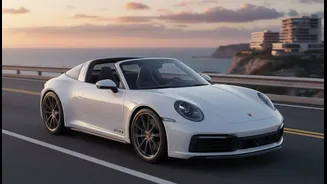
Several modern cars are celebrated for prioritizing this philosophy. The Porsche 718 Cayman and Boxster are frequently hailed as benchmarks for sublime handling and driver engagement, proving that a perfectly balanced chassis is more critical than monstrous power. The BMW M2 and Nissan Z are other prime examples of machines that focus on a fun, rear-wheel-drive experience with a powerful, but not excessive, engine. The Toyota GR Supra, developed with BMW, also fits this mold, offering a potent inline-six engine in a chassis that’s all about driver enjoyment. These cars aren't trying to win every drag race; they are designed to deliver a pure, unfiltered driving experience on the roads where their owners will actually use them.