



The Strait of Hormuz: A Global Chokepoint
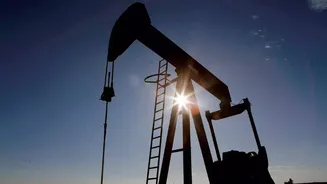
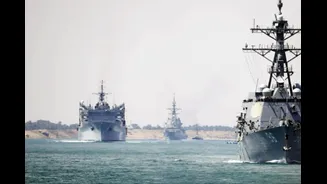
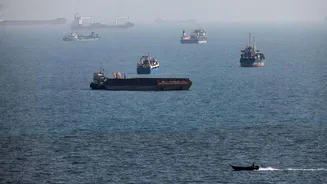
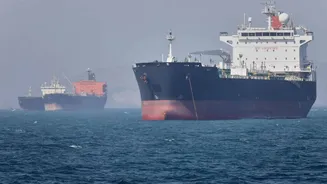
The Strait of Hormuz is arguably the most critical and contentious issue on the table. This narrow waterway is the only sea passage from the Persian Gulf to the open ocean, and before the recent conflict, about a fifth of the world's total oil consumption
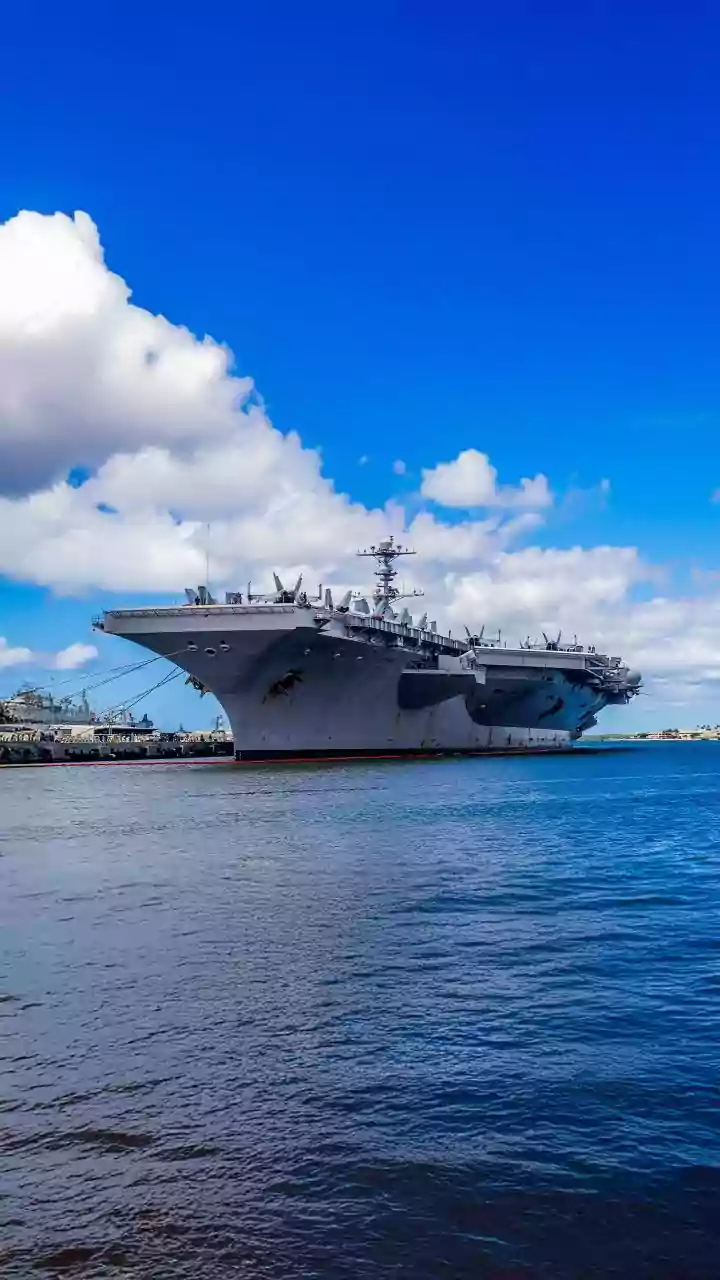
passed through it. Iran effectively closed the strait, and recent negotiations, mediated by Oman, have focused on reopening it. The US and Iran remain at odds over the terms. Iran insists on some measure of control and rejects a return to its previous status as a fully open international waterway. The US, meanwhile, maintains a naval blockade it calls a "steel wall" to enforce its position, though it has indicated a deal to restore commercial shipping could be near. While some officials express optimism about a temporary solution that would see ships use routes controlled by both Iran and Oman, the fundamental disagreement over sovereignty and security guarantees remains unresolved.
Sanctions: An Economic Battleground
Economic sanctions are a primary tool of US pressure, and their removal is a core Iranian demand. The Trump administration has continued to impose new sanctions targeting Iran's financial networks, aiming to cut off revenue streams and push Tehran to the negotiating table. From Washington's perspective, this maximum pressure campaign is essential to force concessions on the nuclear program and regional activities. For Iran, the sanctions are a crippling blow to its economy, fueling domestic unrest and hardship. Tehran has made it clear that a broader agreement is contingent on lifting the US blockade of its ports and the extensive sanctions regime. This creates a classic chicken-and-egg dilemma: the US is unwilling to grant sanctions relief without concessions from Iran, while Iran is unwilling to make major concessions while its economy is under siege.
Lebanon and Regional Influence
Beyond its own borders, Iran's influence across the Middle East, particularly through proxy groups like Hezbollah in Lebanon, is a major point of division. The US and its allies view this network as a destabilizing force. Recent US legislation has been introduced to impose sanctions on those financing Hezbollah and to support the Lebanese state in disarming the group. For Iran, its regional alliances are a critical component of its national security doctrine and a way to project power and deter its adversaries. The conflict in southern Lebanon is seen by analysts as a key battleground where both the US and Iran seek to gain leverage for the wider negotiations. Hezbollah officials have stated that any future agreement between the US and Iran must include Lebanon, tying the fate of the small Mediterranean country directly to the high-stakes talks between Washington and Tehran.
The Nuclear Question: Uranium and Uncertainty
The original source of much of the tension remains Iran's nuclear program. After the US withdrawal from the 2015 JCPOA nuclear deal, Iran significantly advanced its nuclear activities, enriching uranium to levels near weapons-grade. A Congressional Research Service report highlights that the current status of the program is unclear, partly because International Atomic Energy Agency (IAEA) inspectors have lacked full access since 2025. While recent strikes on Iranian nuclear facilities have created further uncertainty about its capabilities, the core issue persists. The US demands a verifiable end to any path toward a nuclear weapon, while Iran insists on its right to a peaceful nuclear program. Some Iranian officials have recently suggested that controlling the Strait of Hormuz provides more strategic leverage than a nuclear bomb, but this shift in rhetoric has not been accompanied by concrete changes to the nuclear program itself. The potential for nuclear proliferation remains a shadow over all other aspects of the negotiations.