




The Physics of a Perfect Sear
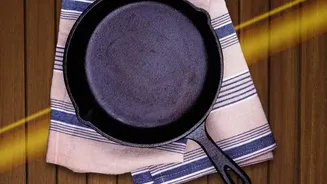
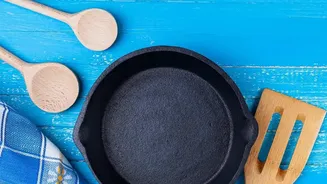
The secret to cast iron's legendary searing power lies in a simple concept: thermal mass. A pan's weight is a direct indicator of its mass. The more mass a pan has, the more heat energy it can absorb and store. Think of a heavy pan as a thermal battery.
Once it gets hot, it stays hot, even when you place a cold piece of meat on its surface. This incredible heat retention is what creates a deep, even crust without dropping the pan's temperature. While a heavy pan takes longer to heat up, its ability to hold a steady temperature prevents the uneven scorching you might see with lighter cookware.
The Case for a Heavyweight Pan
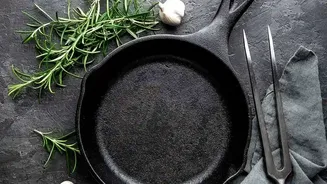
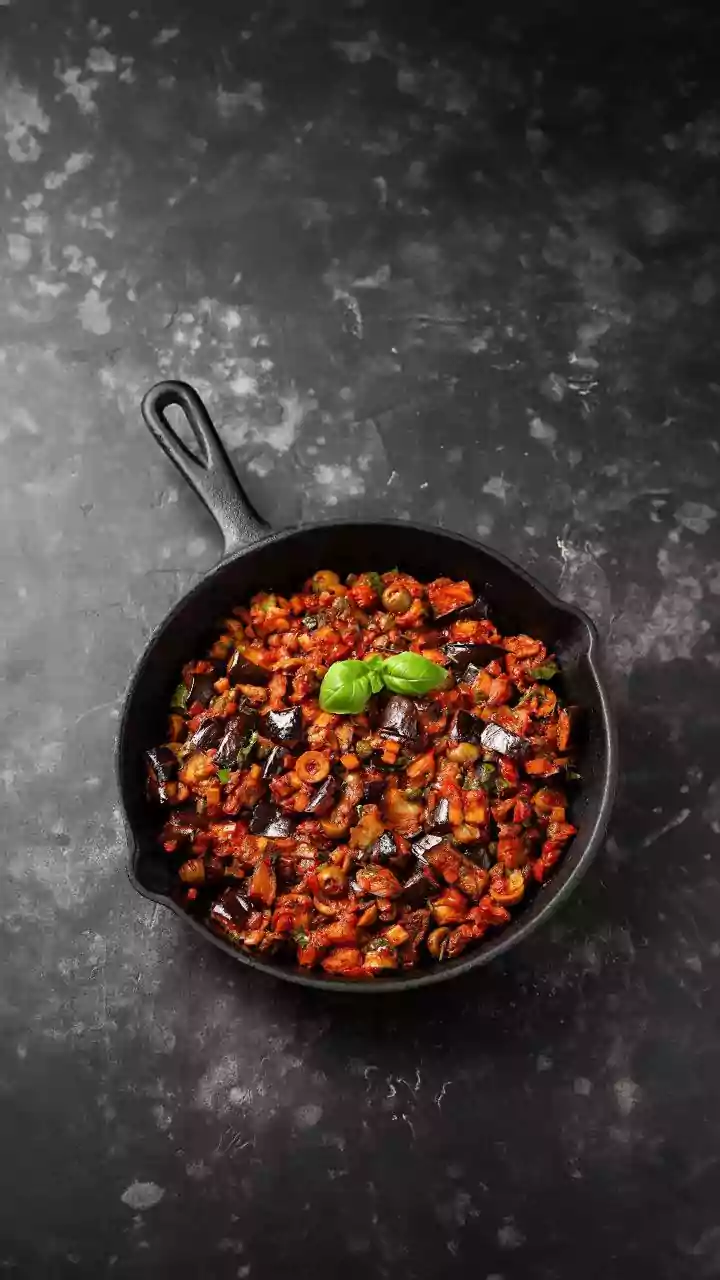
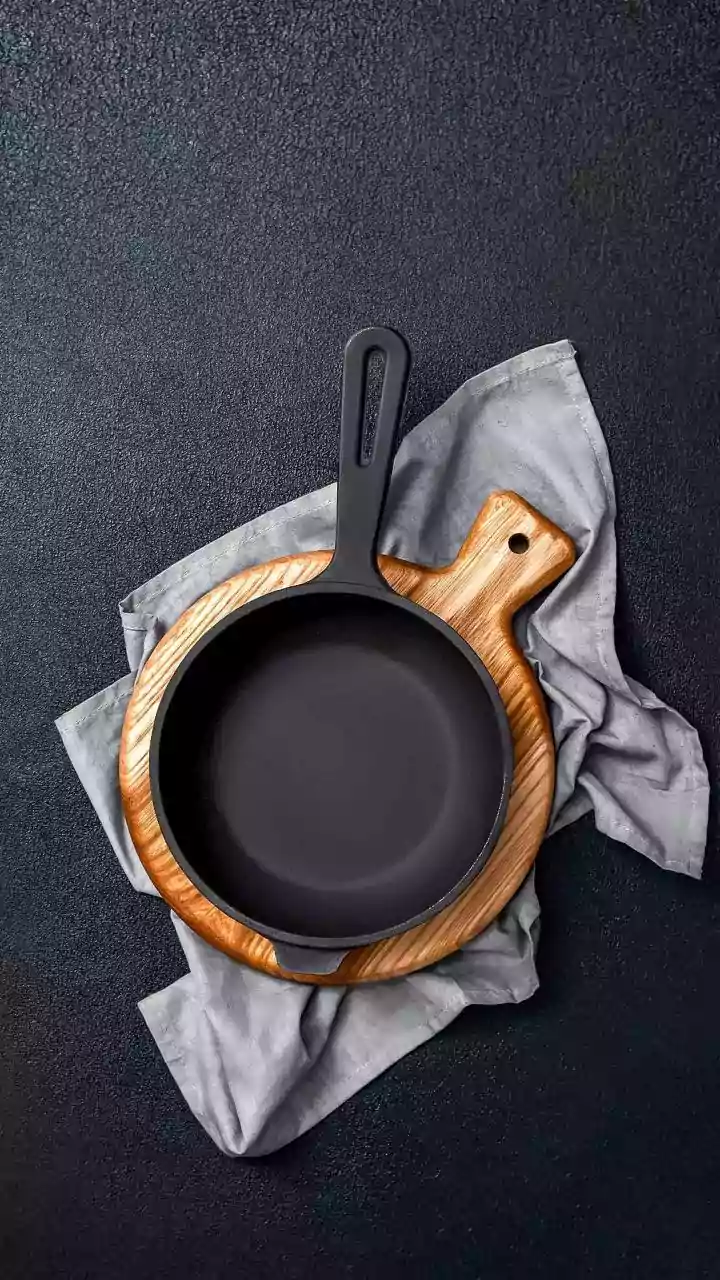
A heavier cast iron skillet, typically weighing over two kilograms for a 10-inch model, is a specialist in heat retention. This makes it the undisputed champion for tasks that require a powerful, sustained sear. It excels at cooking thick-cut steaks, achieving crispy-skinned chicken, and baking breads like cornbread with a perfect crust. The thick, heavy bottom distributes heat more evenly, reducing the risk of hot spots that can burn your food in one area while leaving another undercooked. This stability also makes it ideal for use on grills or even open campfires. The trade-off, of course, is the heft. A heavy pan can be unwieldy to lift, clean, and store, which is a significant consideration for daily use.
The Argument for Lighter Cast Iron
Lighter cast iron pans, often found in vintage models or some modern, machine-smoothed designs, offer a different set of advantages. Their reduced weight makes them far more user-friendly and manageable for everyday cooking tasks. They heat up and cool down much faster, making them more responsive to changes in temperature from your stove. This agility is perfect for sautéing vegetables, scrambling eggs, or any dish where you need to control the heat more dynamically. However, this responsiveness comes at a cost. A lighter, thinner pan won't retain heat as well as its heavier counterpart, which can lead to less effective searing and a higher chance of developing hot spots. They can also be more prone to warping from rapid temperature changes.
Finding the Right Balance for Your Kitchen
Ultimately, there is no single 'best' weight for a cast iron pan; the ideal choice depends entirely on your cooking style and physical comfort. If your culinary life revolves around achieving the perfect steakhouse sear or slow-cooking hearty meals, the superior heat retention of a heavy pan is invaluable. You'll learn to manage its longer preheating time and challenging weight. Conversely, if you prioritize speed, responsiveness, and ease of handling for quick, everyday meals, a lighter pan might be a much better fit for your kitchen. Some manufacturers have even sought a 'goldilocks' weight, attempting to balance maneuverability with good heat performance. Don't just look at the price tag; pick up the pan. Feel its weight and consider what you cook most often. That will tell you more than the brand name ever could.