



The Foundation: Building a Better Base
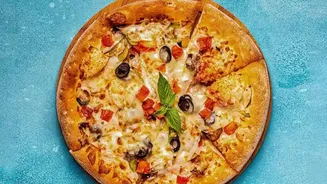
The secret to a truly high-protein pizza starts with the crust. While traditional flour does its job, several alternatives can significantly boost the protein content without complex techniques. One of the most popular methods involves a simple two-ingredient
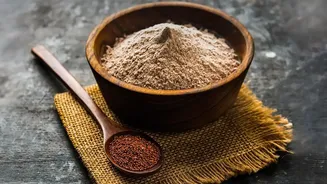
dough using self-rising flour and plain Greek yogurt. The yogurt not only adds a substantial amount of protein but also creates a tender, chewy crust without the need for yeast or long rise times. For a similar effect, blended cottage cheese can be used in place of yogurt, creating a smooth, protein-rich dough when mixed with flour, baking powder, and salt. Some recipes even call for blending cottage cheese with eggs and a small amount of flour for a lower-carb, high-protein base. For those looking to experiment further, incorporating unflavored protein powder into the dough is another effective strategy. A scoop of unflavored whey or a plant-based protein powder can be mixed with flour, but it's important to use a high-quality, finely milled powder to avoid a gritty texture.
Cheese Choices That Work Harder
Cheese is a pizza essential, but your choice can make a big difference in the final protein count. While standard mozzarella is a classic for its meltability, other varieties offer more protein per serving. Part-skim mozzarella is often a lighter choice, and Parmesan cheese is surprisingly high in protein. A great strategy is to use a blend of cheeses. You can also get creative by using dollops of ricotta or a layer of blended cottage cheese under the mozzarella. This adds a creamy texture and an extra layer of protein that complements the other toppings. Some home cooks even blend cottage cheese directly into the tomato sauce for a seamless protein boost. Nutritional yeast can also be sprinkled on top before baking to add a cheesy, umami flavor and a little extra protein.
Level Up Your Toppings
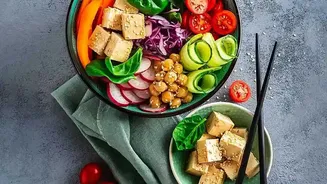
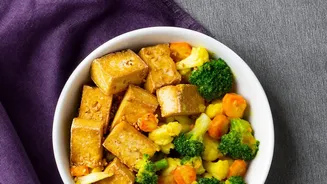
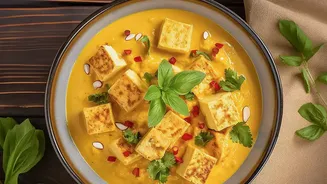
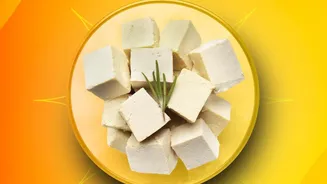
Toppings are the easiest and most versatile way to load your pizza with protein. Lean meats are an obvious and effective choice. Grilled chicken breast, turkey sausage, lean ground beef, and even quality sliced ham are excellent options that add significant protein without excessive fat. Turkey pepperoni provides a classic pizza flavor with a healthier profile than its traditional pork counterpart. Don't overlook seafood; shrimp is an underrated but delicious high-protein pizza topping. For a truly protein-heavy slice, a cracked egg on top of the pizza before baking is a fantastic addition. As it cooks, the yolk becomes jammy and the white sets, adding rich flavor and texture. Plant-based options are plentiful as well. Cubes of paneer or firm tofu can be marinated and scattered across your pizza for a vegetarian-friendly protein source.
Tips for a Perfect Protein Pizza
Working with alternative doughs requires a few adjustments. Doughs made with Greek yogurt or cottage cheese can be stickier than traditional recipes. Don't be afraid to lightly flour your hands and work surface to make kneading and rolling easier. Many of these doughs benefit from a 'parbake'. This involves baking the crust for 10-15 minutes before adding sauce and toppings. This step helps prevent a soggy bottom and ensures the crust is cooked through, especially if you're using moist toppings. When using protein powder, be mindful that it can make the dough drier, so you may need to adjust the liquid in your recipe slightly. Finally, preheating your oven properly with a pizza stone or steel inside will give you the best chance at achieving a crispy, golden-brown crust.