




A Catastrophe Unfolds
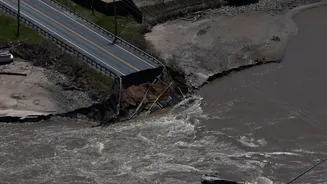
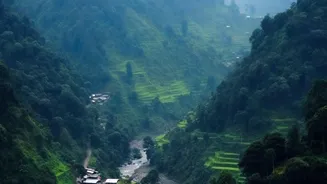
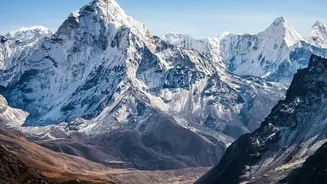
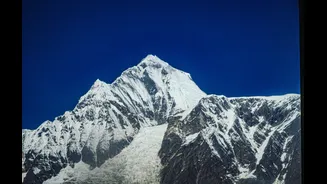
On August 26, 2026, a catastrophic surge of water, ice, and rock tore through the Trishuli River corridor in Nepal. The flash flood originated from the collapse of a large section of rock and an overlying glacier in the Langtang region, near the border
with China. The disaster resulted in over 1,300 deaths, with thousands more missing, as entire villages, bridges, and crucial hydropower projects were swept away by the powerful debris flow that travelled nearly 100 kilometres downstream.
Beyond Monsoon Rains
While Nepal is vulnerable to monsoon-related floods, this event was different. Scientists quickly pointed to a chain reaction of cryospheric hazards—dangers related to frozen water. A recent analysis by the World Weather Attribution group concluded that human-caused global warming likely helped destabilise the Himalayan slope that collapsed. The key culprits are two interconnected phenomena: the rapid retreat of glaciers and the thawing of permafrost, both of which are being accelerated by rising global temperatures.
Melting Giants and 'Water Bombs'
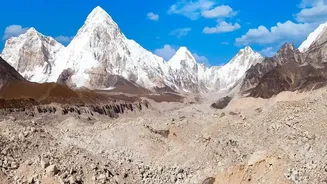
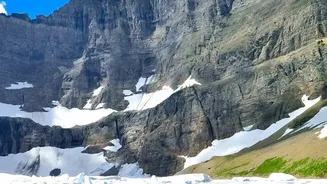
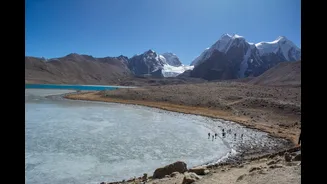
As Himalayan glaciers melt at an accelerated pace, they leave behind vast depressions in the landscape. These depressions fill with meltwater, forming large, unstable bodies of water known as glacial lakes. Often, these lakes are held back only by fragile natural dams made of loose rock and sediment called moraine. If this moraine dam is breached—by a landslide, an earthquake, or simply the pressure of the growing lake—it can lead to a Glacial Lake Outburst Flood (GLOF). These GLOFs release a sudden, massive torrent of water, capable of causing immense destruction far downstream.
The Hidden Threat of Thawing Ground
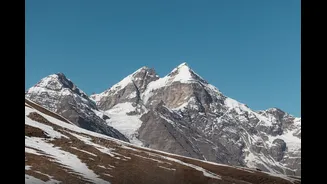
An equally significant but less visible threat is permafrost thaw. Permafrost is ground, including rock and soil, that has remained frozen for at least two consecutive years. In high mountain regions, it acts like a natural cement, binding fractured rock and loose sediment together on steep slopes. As temperatures rise, this 'glue' weakens and melts. This process destabilises entire mountainsides, making them far more prone to catastrophic landslides and rockfalls, a process some scientists refer to as thermal mountain degradation.
A Deadly Chain Reaction
The August 26th disaster demonstrates how these risks combine. Experts believe that decades of glacier thinning and permafrost thaw weakened the mountain slope. This instability eventually led to the massive collapse of rock and ice. Such a landslide can itself trigger a GLOF by crashing into a glacial lake, or, as happened in this case, the debris can temporarily dam a river, allowing water to build up before bursting through with even greater force. This cascading series of events turns a high-altitude failure into a far-reaching lowland catastrophe.
Why This Matters for India
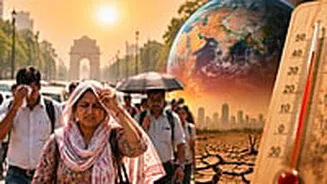
The events in Nepal are a direct warning for India. The Himalayan region, which contains the largest volume of ice outside the polar regions, feeds at least ten major Asian river systems that billions depend on. Similar risks exist across the Indian Himalayas. A recent assessment identified 189 high-risk glacial lakes in India, with 56 of them classified as very high risk. As glaciers that feed rivers like the Ganga and Brahmaputra retreat, the long-term water security for millions in the plains is at stake. The increasing frequency of these disasters underscores the urgent need for cross-border cooperation on monitoring, early warning systems, and climate change mitigation.