



A Weekend Travel Windfall
With Independence Day falling on a Saturday, many travellers took Friday off to create a three-day escape, and Udaipur was a top destination. The city's hotels saw a significant uptick in bookings, with some industry leaders reporting business on the
books at 50 to 60 percent for the weekend, a healthy figure that doesn't even account for last-minute travelers. This surge particularly benefited properties in and around the historic Old City, where tourists flocked to areas like Gangaur Ghat and Ambrai Ghat. The Federation of Associations in Indian Tourism & Hospitality anticipated a 10-15 percent rise in hotel bookings nationwide for the weekend, a trend clearly reflected in the City of Lakes.
The Allure of Living in History
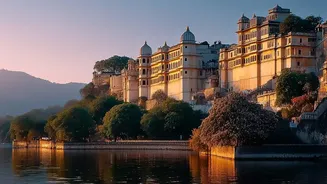
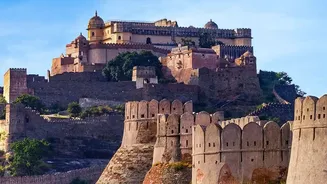
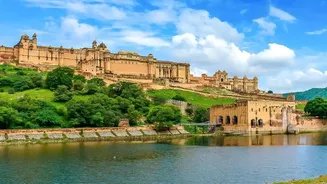
So, why the particular focus on heritage properties? In an age of cookie-cutter hotel rooms, travelers are increasingly seeking authentic experiences. Udaipur's heritage stays—often restored havelis (traditional mansions), forts, or palaces—offer just that. Properties like the 18th-century Taj Lake Palace, which appears to float on Lake Pichola, or the 400-year-old Shikargarh Palace, offer more than just a bed for the night; they offer a chance to inhabit a piece of Rajputana history. This desire for cultural immersion is a strong driver, with studies showing that tourists visiting Udaipur are highly inclined towards its rich heritage and culture.
From Haveli Owners to Hoteliers
For the owners of these historic properties, the long-weekend rush is both a blessing and a challenge. The increased revenue is a lifeline that helps fund the costly upkeep of these centuries-old buildings. Many have adapted their ancestral homes, blending historical preservation with the demands of modern hospitality. The boom validates their efforts to maintain authenticity in a competitive market. Hotel rates across the board saw an increase, in some cases by 15 to 20 percent compared to the previous year, allowing these unique businesses to capitalize on the high demand.
Balancing Preservation and Profit
The popularity of heritage tourism is not without its complexities. The surge in visitors puts pressure on the city's infrastructure and the very heritage that tourists come to see. Experts have long discussed the dual role of tourism in Udaipur: it provides the economic incentive to preserve historic buildings, but it can also lead to commercialization that threatens their authenticity. The key, as many tourists and locals agree, is finding a sustainable balance. This involves reinvesting tourism revenue into conservation efforts and ensuring that the local community benefits from the influx.
The Future Is Authentic
The success of this long weekend is part of a larger trend. With a growing appreciation for domestic travel, destinations that offer unique cultural experiences are thriving. Udaipur's heritage stays are perfectly positioned to benefit from this shift. As travelers continue to prioritize authenticity, history, and memorable experiences over generic luxury, the lovingly maintained havelis and palaces of Udaipur will likely see many more bustling weekends. This trend is not just about a holiday rush; it's a signal that the future of travel in India has a deep connection to its past.