



The Anatomy of a Fad Diet Salad
Many salads marketed as 'healthy' or 'low-calorie' are nutritional traps. These are often fad diets in disguise, promoting the idea that restriction is the key to health. A typical fad diet salad is built on a foundation of what it lacks: sufficient calories,
protein, healthy fats, and energising carbohydrates. It might look like a simple bowl of iceberg lettuce, a few cucumber slices, and a sprinkle of shredded carrots with a fat-free dressing. While low in calories, it provides almost no staying power. Your body burns through it quickly, slowing your metabolism and triggering hunger pangs and cravings soon after. This cycle of restriction and subsequent hunger can lead to overeating later, defeating the purpose of a healthy meal. These salads often eliminate entire food groups, leading to potential nutrient deficiencies and an unhealthy relationship with food.
What Makes a Salad a Balanced Meal?
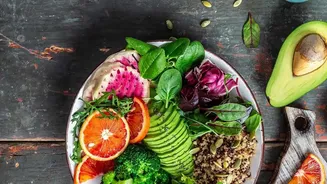
A truly balanced salad isn't about restriction; it's about inclusion. To transform a simple bowl of greens into a satisfying meal, it must contain a strategic mix of macronutrients: lean protein, complex carbohydrates, healthy fats, and abundant fibre from vegetables. Each component plays a crucial role. Protein and healthy fats are key for satiety, slowing digestion and helping you feel full for hours. Complex carbohydrates provide sustained energy, preventing the blood sugar spikes and crashes associated with simple carbs and sugary foods. Finally, a diverse base of vegetables offers essential vitamins, minerals, and fibre, which adds bulk and supports digestive health. This combination ensures your 15-minute meal provides lasting energy and genuine nourishment, making it a sustainable choice rather than a temporary fix.
Building Block 1: Pick Your Protein
Protein is non-negotiable for a salad that functions as a meal. It’s the primary element that provides staying power. Aim for at least 20 grams of protein to ensure your salad keeps you satisfied. Luckily, quick options are plentiful. Pre-cooked rotisserie chicken, canned tuna or salmon, and hard-boiled eggs are fast and effective choices. For plant-based power, look to canned beans like chickpeas or black beans, lentils, or edamame, which offer both protein and fibre. A half-cup of beans or lentils can provide around 7-9 grams of protein. Quinoa is another fantastic addition, as it's a complete protein containing all nine essential amino acids.
Building Block 2: Add Complex Carbs
Carbohydrates have been unfairly villainised, but the right kind are essential for energy. Instead of processed croutons, add a serving of complex carbohydrates that your body digests slowly for steady fuel. Leftover roasted sweet potatoes, a scoop of cooked quinoa, or whole grains like farro or barley are excellent additions that add texture and substance. These ingredients help regulate blood sugar and prevent that mid-afternoon energy slump. A half-cup to a cup of these carbs can turn a light snack into a legitimate lunch. Even fruits like chopped apple, pears, or berries can add quality carbs along with vitamins and fibre.
Building Block 3: Include Healthy Fats
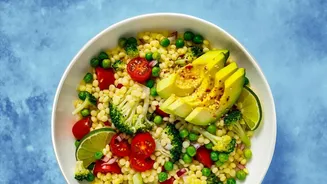
Fat is not the enemy; it’s essential for absorbing vitamins A, D, E, and K and is crucial for feeling full. Including a source of healthy monounsaturated or polyunsaturated fat makes your salad more satisfying and nutritionally complete. A quarter of an avocado is a creamy, fibre-rich option. A small handful of nuts like almonds or walnuts, or seeds such as pumpkin or sunflower seeds, adds a satisfying crunch and a dose of protein. Dressing is another key area for healthy fats. Ditch the sugary, store-bought creamy dressings that can be loaded with calories and unhealthy fats. Instead, opt for a simple vinaigrette made with extra virgin olive oil, which is rich in heart-healthy fats and antioxidants.
Putting It All Together, Fast
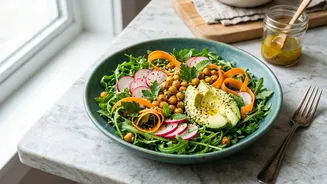
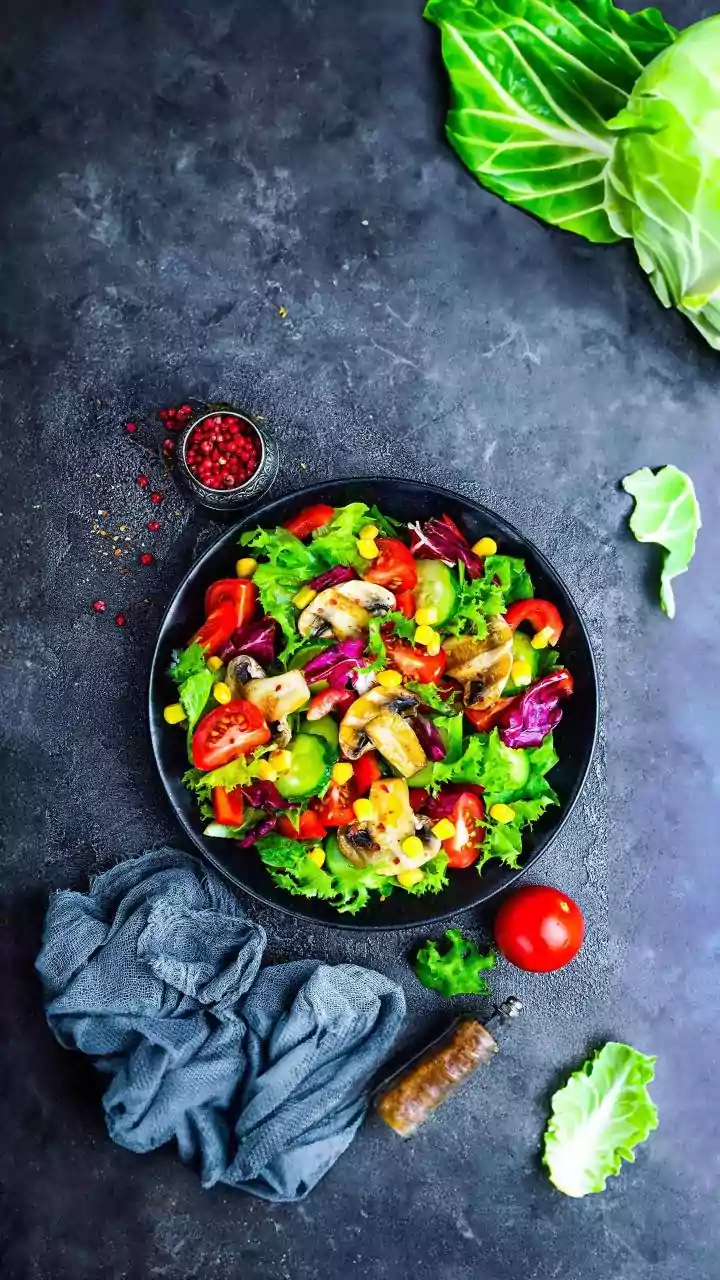
Creating your balanced 15-minute salad is about efficient assembly. Start with a base of nutrient-dense dark leafy greens like spinach, romaine, or arugula—they offer far more vitamins than iceberg lettuce. Top with a variety of colorful chopped veggies for crunch and antioxidants. Add your pre-cooked protein, a scoop of complex carbs, and your healthy fat source. Finish with a simple homemade dressing. A go-to recipe is three parts extra virgin olive oil to one part lemon juice or balsamic vinegar, with a pinch of salt and pepper. Shake it in a jar, and you have a delicious, healthy dressing for the week that avoids the hidden sugars of many bottled options.