


The Heart of a Fasting Dish
Sabudana, also known as tapioca pearls, is a staple during Hindu fasting periods like Navratri. Made from the starch of the cassava root, it is a pure source of carbohydrates, providing a quick and sustained energy boost when regular grains are avoided.
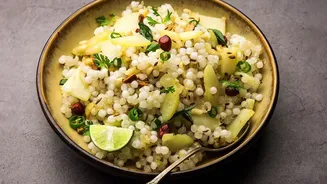
Its popularity lies not just in its energy-giving properties but also in its versatility. When prepared correctly, the pearls become soft, chewy, and delightfully separate. However, one wrong step in the preparation can lead to a sticky, lumpy mess, turning a festive favourite into a kitchen disappointment. The key to a flawless Sabudana Khichdi lies almost entirely in how you treat the pearls before they even touch the pan.
Choose Your Pearls Wisely
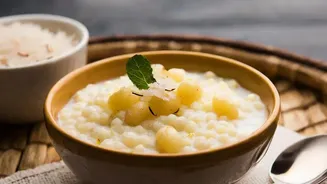
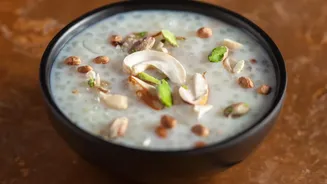
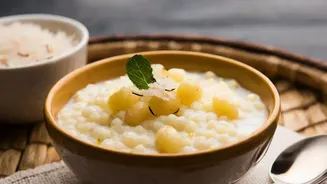
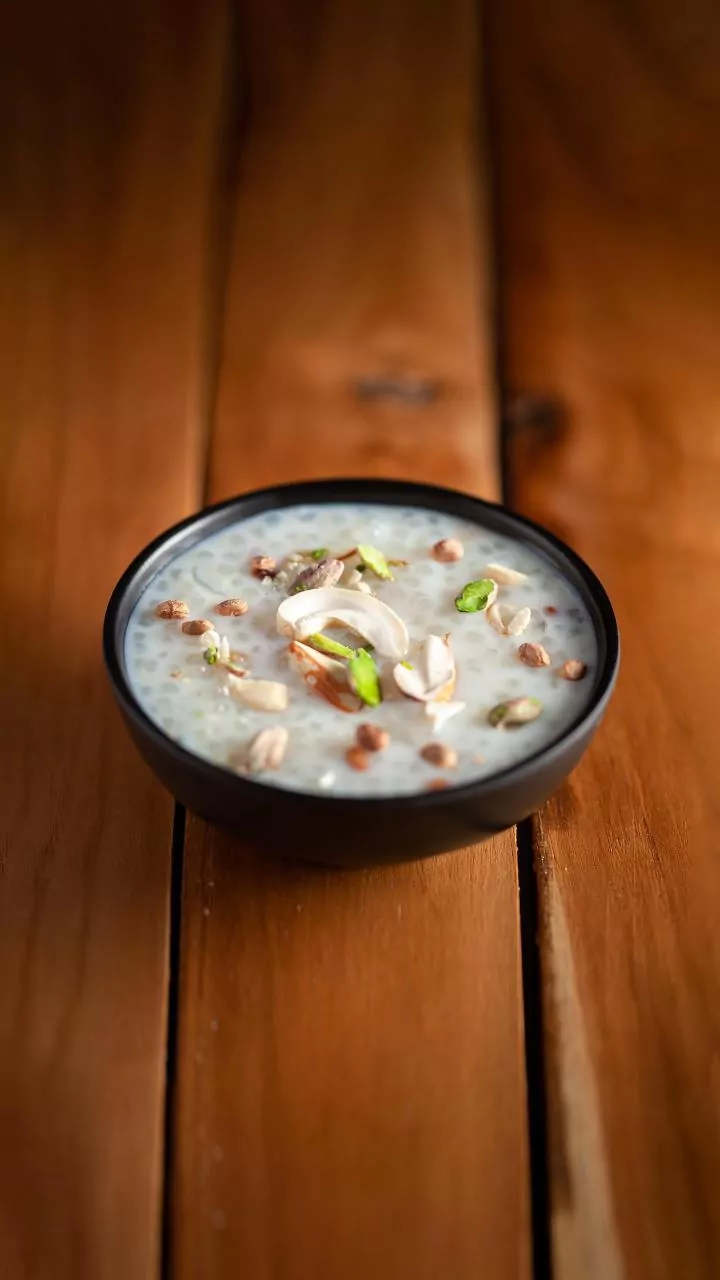
Not all sabudana is created equal. You'll generally find different sizes of pearls available in the market. For making khichdi, it is widely recommended to choose the medium or larger-sized pearls. These larger varieties tend to hold their shape better during the cooking process and are less likely to turn mushy or sticky compared to their smaller counterparts, which are often better suited for dishes like kheer or puddings. The quality of the sabudana also matters, as different brands and batches can have varying levels of starch and may require slightly different soaking times.
The All-Important First Rinse
This is a step many people skip, and it's often the root cause of sticky khichdi. Raw sabudana pearls are coated in a fine, powdery starch. If you don't wash this off, the starch will turn into a glue-like substance the moment it hits a hot, wet pan, causing the pearls to clump together. Before you even think about soaking, you must rinse the sabudana thoroughly. Place the pearls in a bowl or colander and wash them under cool running water, gently rubbing them with your fingers. Repeat this process three to four times, until the water runs mostly clear. This removes the excess surface starch and is your first line of defence against stickiness.
The Fine Art of Soaking
Soaking is the most critical stage, and it's all about the water-to-sabudana ratio. Using too much water is the most common mistake and a guaranteed path to a gooey outcome. The golden rule is to use just enough water to cover the pearls. A popular and reliable method is the 1:1 ratio—for every one cup of rinsed sabudana, use about three-quarters to one cup of water. The water level should be just enough to immerse the pearls. Let them soak for 4 to 6 hours, or even overnight, depending on the pearl quality. To check if they're ready, press a pearl between your thumb and forefinger. It should smash easily with no hard, white centre remaining. If it’s still hard, sprinkle a little more water and let it sit for another hour or two.
Drain and Rest for Fluffy Results
Once the pearls have soaked perfectly and absorbed most of the water, it's time for the final preparatory step. Even with precise soaking, there might be a tiny bit of excess moisture left. To ensure each pearl remains separate, it's a good idea to drain them completely. Tip the soaked sabudana into a colander or strainer and let it sit for at least 15 to 30 minutes. This allows any remaining water to drain away. Some home cooks like to spread the drained pearls on a plate to air dry slightly. At this stage, you can gently mix in coarsely ground roasted peanuts. The peanut powder not only adds flavour and texture but also helps absorb any lingering moisture, further preventing the pearls from sticking together during cooking.
Tips for Cooking
With perfectly prepped pearls, the cooking process is quick and simple. Always use a wide, non-stick pan if possible and cook on a low to medium flame. High heat can cause the starches to gelatinize too quickly, leading to stickiness. Add the sabudana to the pan with your other ingredients, like tempered spices and boiled potatoes, and cook gently. Stir sparingly and with a light hand; over-stirring can break the pearls and release more starch. Cook only until the pearls turn from opaque white to translucent, which usually takes just a few minutes. Overcooking is another common error that can make the dish mushy. Once they look pearly and see-through, they are done. Finish with a squeeze of lemon juice, which can also help keep the grains separate.