

What Exactly Is Stone Balancing?
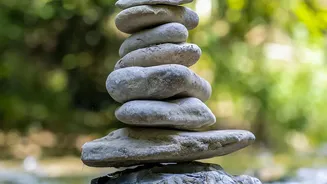
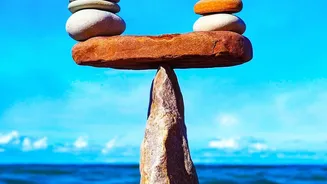
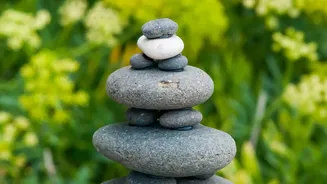
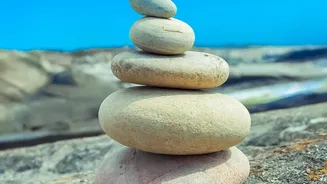
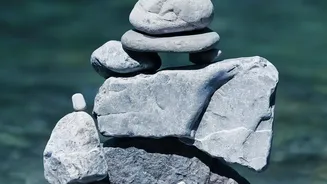
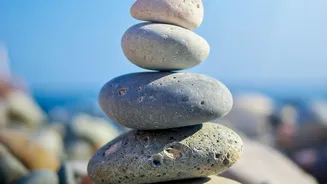
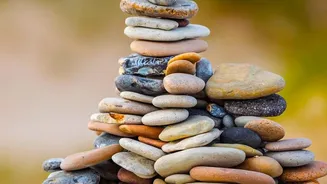
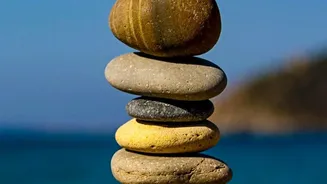
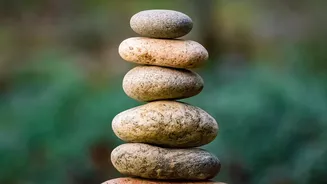
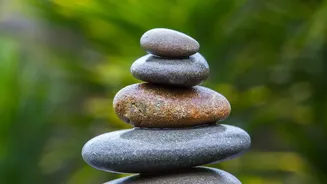
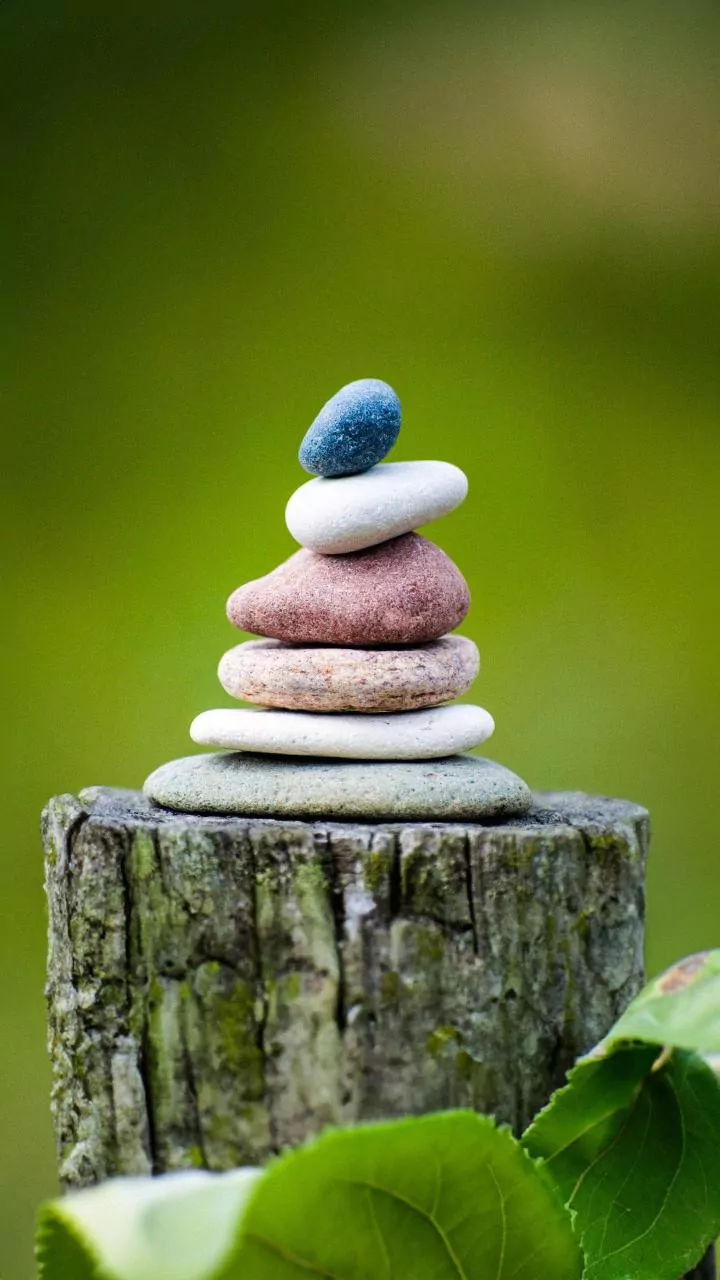
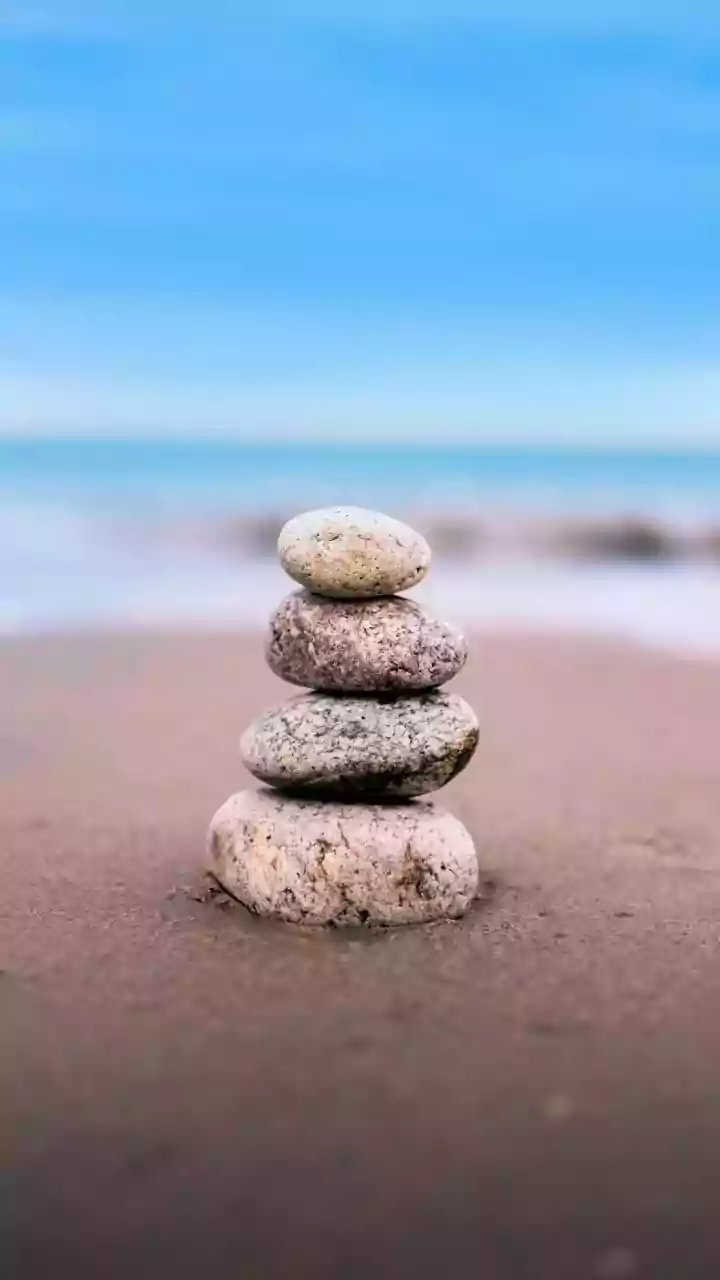
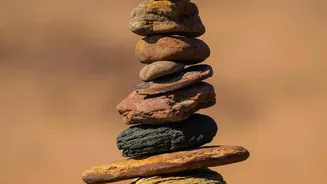
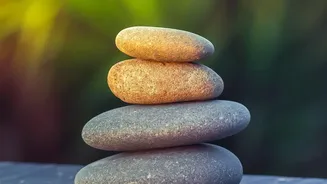
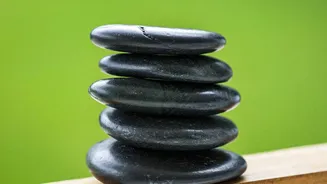
Stone balancing, or rock stacking, is the art of arranging natural stones in precarious-looking formations without using any glue, wires, or tricks. The only things holding the structure together are gravity and the friction between the rocks. It’s an ancient
practice that has been used for everything from trail markers to spiritual symbols. Today, many people embrace it as a form of active meditation—a way to play, create, and connect with nature. The goal isn't to build something permanent, but to engage in the process of finding a fleeting point of equilibrium.
The True Benefits: Focus and Flow
The core appeal of stone balancing lies in its mental benefits. The act requires intense concentration. To find the precise point where two stones will lock together, you must quiet your mind, ignore distractions, and become fully present in the moment. Practitioners often describe entering a 'flow state,' where the world fades away, and all that matters is the feel of the rock in their hands. This process enhances hand-eye coordination, improves patience, and hones fine motor skills. The repetitive, gentle motion, combined with being outdoors, also serves as a natural stress reliever, helping to calm the mind and reduce anxiety.
A Grounded Approach, Without The Hype
While the practice has deep historical and spiritual roots for some cultures, its modern revival sometimes comes with exaggerated claims. The real magic isn't in spiritual energy or metaphysical vortexes, but in the simple, tangible experience. You don’t need to be on a spiritual quest to benefit. The value comes from the physical and mental challenge: learning to feel for the almost imperceptible clicks and shifts as the stones settle into place. It's an exercise in paying attention. The feeling of success when you slowly pull your hands away and the structure stands on its own is a powerful, earned reward.
How to Get Started: Your First Balance
Getting started is simpler than it looks. Find a quiet spot with a variety of stones. Beginners should start small, perhaps with just two or three rocks. First, select a stable base rock. Then, pick a stone to balance on top. The key is to find what balancers call a 'tripod'—three points of contact. Hold the top stone and gently move it around, feeling for tiny indentations on both surfaces. You will feel a subtle 'click' when the points lock in. Be patient. It might take a long time to find the right spot. The process is about trial and error, so don't be discouraged if your tower tumbles. Each collapse is part of the learning process.
Practicing with Respect and Responsibility
The rising popularity of stone balancing has also sparked important conversations about its environmental impact. Moving rocks can disturb fragile micro-ecosystems, dislodge homes for insects and small aquatic creatures, and contribute to soil erosion. In many national parks and protected areas, creating new stacks is discouraged or prohibited to preserve the natural landscape and avoid confusing official trail markers (cairns). The guiding principle should always be 'Leave No Trace.' A responsible practitioner enjoys the process and then often dismantles their creation, returning the stones to where they found them. This honours both the environment and the impermanent nature of the art itself.