



A Painful But Necessary Overhaul
Volkswagen Group has announced a sweeping plan to streamline its global model portfolio by as much as 50% by 2030. This isn't just a minor trim; it's a fundamental reinvention of the company's business model. The driving force is a combination of immense
pressure: the staggering cost of developing electric vehicles, slowing global sales, and intense competition, particularly from Chinese EV makers. In an official statement, the company confirmed the move is designed to make it “faster, more resilient and more competitive.” The plan also includes slashing the complexity of equipment options by up to 75%, aiming to focus investment on the most profitable and popular market segments.
The Strategy: Fewer Platforms, More Focus
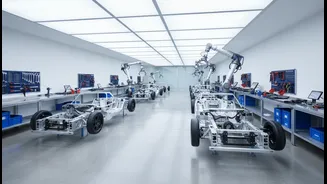
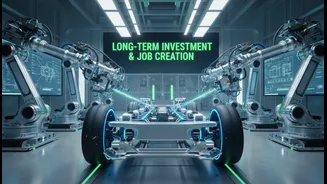
At the heart of this reset is a new platform strategy. Volkswagen is moving towards a single, highly scalable architecture called the Scalable Systems Platform (SSP). This 'super platform' is designed to underpin a vast range of vehicles across all its brands—from small cars to large SUVs and even high-performance sports cars. By replacing multiple current platforms (like the MEB for electric cars and MQB for combustion engines), VW aims to dramatically cut costs, reduce complexity, and speed up development. This harmonized approach extends to software and electronics, creating a unified 'VW.OS' that will allow for more advanced digital features and potential subscription services. The goal is to eliminate redundant engineering efforts between brands like Audi, Skoda, and VW itself, creating massive group-wide synergies.
Which Nameplates Are On The Chopping Block?
While Volkswagen has not released a definitive list, official statements and credible reports point to significant changes. The company has stated it will focus on its “core line-up” and avoid niche products for now. Models like the Arteon and the T-Roc Cabriolet have been mentioned as unlikely to see another generation. According to a recent report from German newspaper Bild, the list of models under threat could be extensive, potentially including the long-running Jetta sedan and the Taos subcompact SUV. Even models from its luxury brands are not safe, with speculation that Porsche could merge the Taycan and Panamera into a single model line in the future and discontinue coupe-style SUVs like the Cayenne Coupe.
The Future is Electric, But Icons May Live On
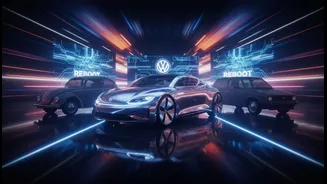
The future of Volkswagen's most iconic nameplate, the Golf, offers a glimpse into the company's thinking. While there were plans for the ninth-generation Golf to be exclusively electric, the strategy appears to have shifted. The name is too valuable to lose, with CEO Thomas Schäfer calling it “totally bonkers” to abandon it. The plan now involves launching an all-electric ID. Golf on the new SSP architecture, likely arriving closer to 2030. However, recent statements suggest a combustion-engine version of the Golf may continue alongside it for as long as there is demand, reflecting a more cautious, hybrid approach to the EV transition. Other iconic names may be reborn as EVs, with the goal of transferring brand loyalty to a new generation of vehicles. An ID. Buzz revives the classic microbus, and there are plans for an affordable, entry-level EV priced around €20,000 to €25,000.