








An Unprecedented Data Boom
India is generating data at a staggering rate. With over 800 million internet users and some of the world's cheapest data plans, the country's digital appetite is immense. The rollout of 5G networks, the rise of the Internet of Things (IoT), and the explosion
in e-commerce, digital payments, and OTT streaming platforms are creating a tsunami of data that needs to be stored, processed, and analyzed. Projections show India's data center capacity is set to grow dramatically, with some estimates suggesting it will more than quadruple by 2030 from its 2025 level. This rapid expansion is a direct response to a simple reality: while India generates a significant portion of the world's data, it has historically housed only a small fraction of global data center capacity, a gap that is now rapidly closing.
The Policy Push for Data Sovereignty
The Indian government has been a key catalyst in this transformation. Policies promoting data localization, which mandate that certain types of data on Indian citizens be stored within the country's borders, have been a powerful driver. Legislation like the Digital Personal Data Protection Act of 2023, along with sector-specific directives from bodies like the Reserve Bank of India for financial data, has compelled both domestic and international companies to invest in local infrastructure. This regulatory push for 'data sovereignty' ensures that Indian authorities have better access and oversight, but its primary effect has been the creation of a captive market for data centers on Indian soil.
Hyperscalers and the Cloud Rush
Responding to this demand are the 'hyperscalers'—tech giants like Amazon Web Services, Microsoft Azure, and Google Cloud—who are pouring billions of dollars into building massive cloud regions across the country. Their expansion is matched by aggressive investments from domestic players like the Adani Group, Yotta Infrastructure, and Nxtra by Airtel. This investment spree has seen total operational capacity reach 1.8 GW in the first half of 2026, a 59% annual increase in new capacity. These facilities are not just warehouses for servers; they are highly advanced, high-density hubs designed to power everything from enterprise cloud adoption to the intensive computational needs of Artificial Intelligence (AI) workloads.
Beyond Mumbai and Chennai
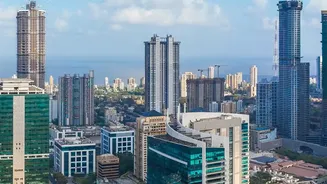
Traditionally, India's data center market has been concentrated in Mumbai and Chennai, cities valued for their access to submarine fiber optic cables that connect India to the global internet. While these hubs continue to dominate, accounting for a majority of the country's capacity, a new wave of development is spreading to other cities. Hyderabad, Delhi-NCR, Bengaluru, and Pune are emerging as strong secondary markets. Furthermore, the need for lower latency for applications like 5G and IoT is driving the growth of 'edge' data centers in Tier-II and Tier-III cities, bringing computing power closer to end-users across the nation.
Growth vs. Sustainability
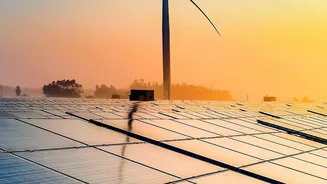
This infrastructure boom is a cornerstone of India's ambition to become a trillion-dollar digital economy, creating jobs and enabling innovation. However, it also presents significant challenges. Data centers are incredibly power-hungry and consume vast amounts of water for cooling. The projected electricity demand from this sector is expected to rise sharply, putting a strain on local grids. As a result, sustainability has become a critical concern. Many new projects are now incorporating renewable energy sources, with operators investing in solar and wind power to mitigate their environmental footprint. State governments are also rolling out incentives to attract 'green' data centers, attempting to balance rapid growth with environmental responsibility.