





The Promise of a Personalised Plate
Nutrigenomics is the study of the relationship between your genes, nutrition, and health. The idea is simple and powerful: by understanding how your specific genetic variations affect your response to nutrients, you can optimise your diet to prevent chronic
diseases and improve overall wellness. Companies in India and abroad now offer direct-to-consumer kits that analyse your saliva to provide insights into everything from how you metabolise carbohydrates and fats to your predisposition for certain vitamin deficiencies. These services promise to take the guesswork out of healthy eating, moving beyond generic advice to offer a truly personal roadmap. For many, it feels like the future of nutrition has arrived.
Hype vs. Scientific Reality
While the potential is exciting, experts urge caution. The field is still in its nascent stages. For every well-established gene-diet interaction, there are dozens of others with weak or conflicting evidence. Some consumer tests have been criticised for overstating the certainty of their recommendations based on underpowered studies. For complex outcomes like weight loss or heart disease risk, hundreds, if not thousands, of genes interact with countless lifestyle and environmental factors. Attributing your ideal diet to a handful of genetic markers is a significant oversimplification. As it stands, your daily habits, sleep quality, and stress levels often have a much stronger influence on your health than the specific genetic variants a test might identify.
Where The Science Is Strong
That's not to say the entire field is speculative. There are several areas where nutrigenomics provides clear, actionable insights. A classic example is the LCT gene and lactose intolerance; a genetic test can reliably predict whether you're likely to have trouble digesting dairy. Another well-studied area is caffeine metabolism. Variations in the CYP1A2 gene influence how quickly your body clears caffeine, explaining why one person can have an espresso after dinner and sleep soundly, while another gets jittery from a morning cup. Other examples include genetic links to gluten sensitivity (though not celiac disease itself) and how the body processes certain B vitamins.
An Indian Perspective
In a country with vast genetic diversity and varied regional cuisines, nutrigenomics could be particularly useful. It could help individuals understand how their traditional diet aligns with their unique biology. For instance, knowing you have a genetic tendency towards lower Vitamin D levels might prompt a conversation with your doctor about supplements, especially in a region with limited sun exposure or for individuals with darker skin tones. Indian dietetic professionals are showing high awareness and interest in integrating this science into their practice, seeing its potential to support, not replace, traditional nutrition counselling. The goal is not to abandon dal and roti, but to understand how to balance your plate for your body.
So, Is It Worth It?
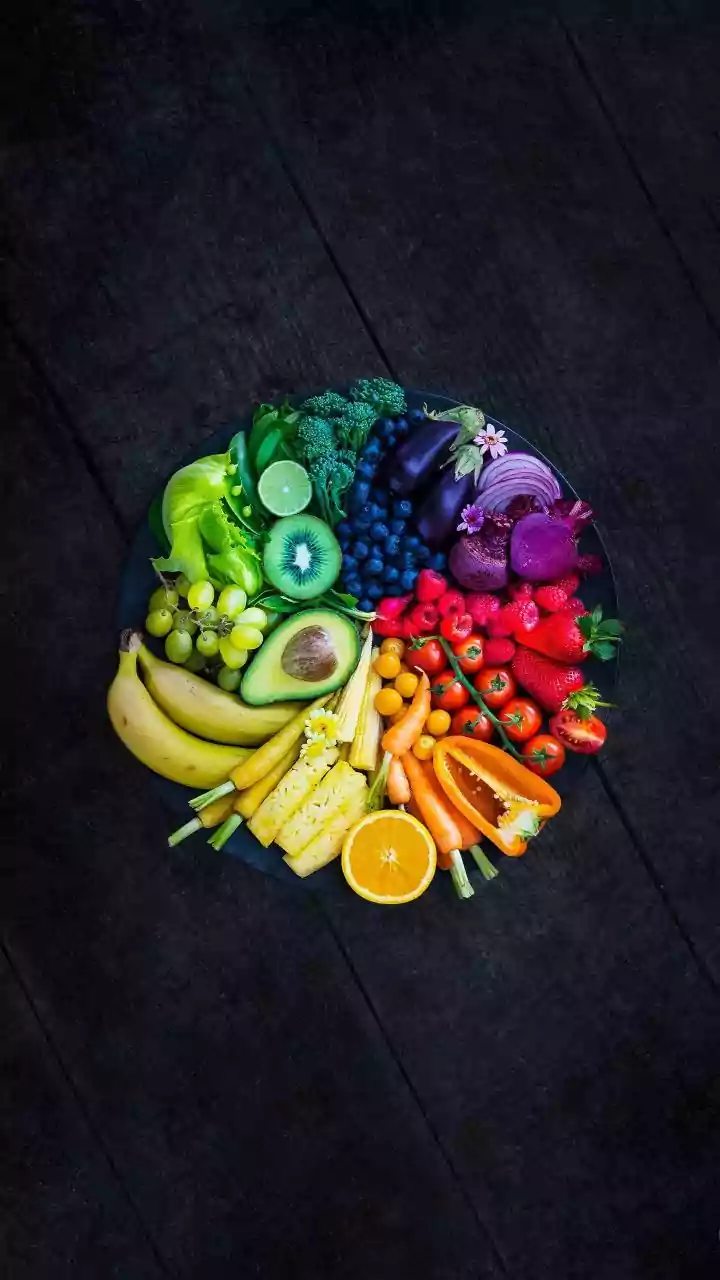
Currently, for most people, a DNA-based diet is more of an interesting insight than a medical necessity. The motivation it provides can be powerful; knowing a recommendation is tailored specifically for you may make you more likely to stick with it. However, the foundational advice for good health remains unchanged: eat a diverse diet rich in whole foods, prioritise fruits and vegetables, limit processed items, and stay active. These principles are effective regardless of your genetic makeup. While the technology is promising, it should be seen as a supportive tool, not a magic bullet. The science is evolving, and with the integration of AI and machine learning, the predictive power of these tests is likely to improve significantly.