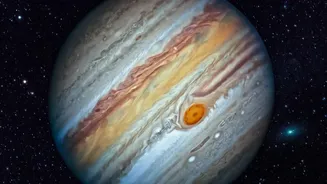


Jupiter: The King of the Morning
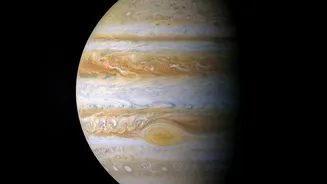
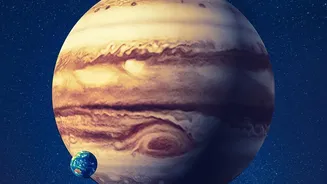
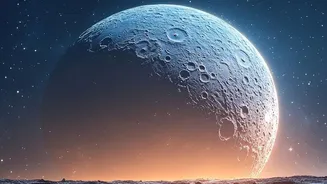
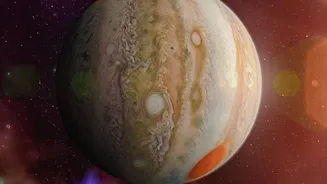
The giant of our solar system, Jupiter, commands the early morning sky this September. Look towards the eastern horizon a few hours before sunrise to see it shining brilliantly. On the morning of September 8, skywatchers are in for a special treat as a beautiful
waning crescent Moon will appear very close to the planet. This close approach, or conjunction, makes for a stunning photo opportunity. Throughout the month, Jupiter will rise progressively earlier, giving you more time to observe it in a dark sky before dawn breaks. If you have a telescope, you can be among the first to see the details of its cloud belts after its recent journey behind the Sun.
Mars: The Red Planet Rises
Mars is also a fixture in the pre-dawn sky, rising in the east. Though not as bright as Jupiter, its distinct reddish hue makes it easy to spot. During the first week of September, particularly on the 6th and 7th, the crescent Moon will pass near Mars, creating another lovely pairing for early risers. The Red Planet can be found in the constellation Gemini at the start of the month, moving into Cancer as the weeks progress. While Mars is still relatively faint this year, it offers a steady beacon in the morning twilight.
Venus: A Dazzling but Brief Evening Star
Venus has been a stunning evening star, and in September it reaches its peak brightness. Look for it low in the west-southwest just after sunset. On September 18, it will be at its most luminous for the year, shining at a dazzling magnitude of -4.8. However, its appearance this month is a fleeting one for observers in the Northern Hemisphere. It sits very low on the horizon and sets shortly after the Sun, making it a challenge to view. You’ll need a clear, unobstructed western view to catch its brilliant glare in the twilight.
Saturn: The Ringed Wonder in the Evening
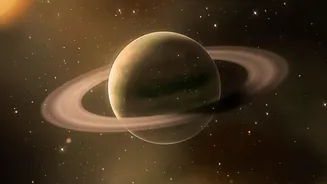
The star of the late evening show is Saturn. Rising in the east shortly after sunset, it will be visible for most of the night. While its famous opposition—the point where it is closest and brightest for the year—is technically on October 4, September provides an excellent viewing window. The planet will be bright enough to be seen with the naked eye, appearing as a steady, yellowish point of light. Even a small telescope will reveal its magnificent rings, which have tilted back into view after being edge-on in 2025. On September 26, the Full Harvest Moon will be near Saturn, which might make the planet harder to spot in the bright moonlight.
The Autumnal Equinox
September also brings a significant seasonal milestone: the autumnal equinox. This year, it falls on September 23. On this day, the Sun shines directly over the Earth's equator, and day and night are of approximately equal length across the globe. For the Northern Hemisphere, it marks the official start of autumn. While it doesn't change what you see in the night sky dramatically, it's a reminder of Earth's constant journey around the Sun.
Tips for Best Viewing
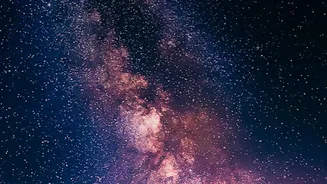
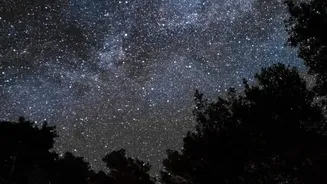
To make the most of September's celestial events, find a location away from city lights. The new moon on September 11-12 will provide the darkest skies, ideal for spotting fainter objects and even the Milky Way. For planets low on the horizon like Venus, an unobstructed view is crucial. While all the main planets are visible to the naked eye, a pair of binoculars will enhance your view of Jupiter's moons, and a basic telescope can reveal Saturn's rings. Remember that planets shine with a steady light, unlike stars which tend to twinkle.