


The Rise of a Soothing Sensation
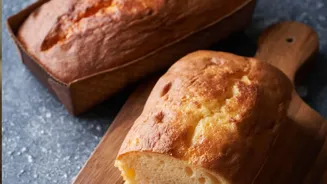
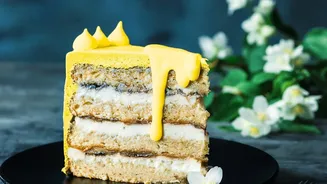
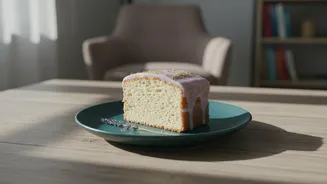
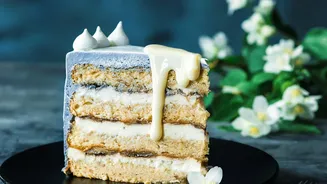
Scroll through Instagram or TikTok and you're bound to see it: a rustic, often golden-hued cake, delicately decorated with tiny, daisy-like chamomile flowers. Recipes abound for these creations, which infuse the floral, apple-like notes of chamomile into
milk, butter, or syrup. The flavour is subtle, honeyed, and aromatic, offering a sophisticated twist on a simple sponge or bundt cake. This viral trend taps directly into our collective desire for comfort and wellness. It’s not just a cake; it’s an aesthetic. It promises a moment of peace, a beautiful baking project, and a dessert that feels both indulgent and wholesome.
The Whisper of Wellness
The allure of chamomile cake goes beyond its taste. For centuries, chamomile has been used as a traditional remedy to calm anxiety and aid sleep. The plant is widely recognized as a mild tranquilizer and sleep-inducer. The narrative sold alongside these viral cake recipes is one of 'edible wellness'. It suggests that you can bake your way to a less stressful day or a more restful night. In a world obsessed with functional foods—ingredients that offer health benefits beyond basic nutrition—a cake that purports to soothe your mind is the ultimate fantasy. It combines the comfort of a homemade dessert with the promise of a natural remedy.
A Dose of Reality
So, what does the science say? Chamomile's calming effects are often attributed to an antioxidant called apigenin, which binds to certain receptors in the brain that may decrease anxiety and help initiate sleep. Studies have explored its use for mild anxiety and sleep quality, often with promising results. However, the key is dosage. Clinical studies often use concentrated, pharmaceutical-grade chamomile extracts, typically ranging from 220 mg to 1,500 mg per day. To achieve a therapeutic effect from tea, you would need to brew it properly—often for 5-10 minutes with hot, not boiling, water to extract the beneficial compounds without destroying them. Some sources even recommend multiple cups per day for a noticeable effect.
Why the Cake Is Comfort, Not a Cure
When you look at a typical chamomile cake recipe, the amount of the herb used is quite small. Recipes often call for a few tablespoons of loose-leaf tea or a handful of tea bags to be steeped in the milk or butter for the entire cake. When you divide that cake into 8 or 12 slices, the dose of chamomile per serving becomes minimal—far below the levels used in clinical trials. Furthermore, some of chamomile's beneficial compounds and delicate essential oils can degrade with heat. While some studies show its polyphenols are fairly heat-resistant, its antioxidant activity can decrease with high temperatures and long baking times. The trace amount of chamomile in a slice of cake is simply not enough to have a measurable pharmacological effect on your nervous system.
The True Magic of the Chamomile Cake
To say the cake isn't medicine is not to say it has no benefits. The true magic of the chamomile cake lies not in its chemical composition, but in the experience. There is a profound, scientifically-backed psychological comfort in the act of baking: the focus it requires, the aroma that fills your home, and the satisfaction of creating something with your hands. Sharing and eating a delicious, warm slice of cake is a comforting ritual in itself. The chamomile lends a genuinely wonderful, unique floral flavour that elevates the dessert. That sensory experience—the taste, the smell, the warmth—is what truly soothes. The comfort is real, even if it’s not coming from a medicinal dose of apigenin.