




A Quantum Leap in Connectivity
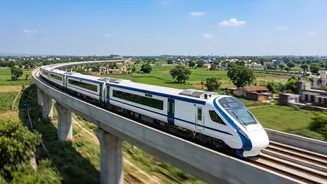
At its core, the bullet train project is about shrinking India. The 508-kilometre journey between Mumbai and Ahmedabad, which currently takes over seven hours by conventional rail, will be slashed to just over two hours. This corridor, with 12 stations
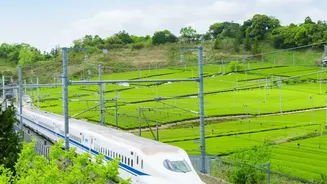
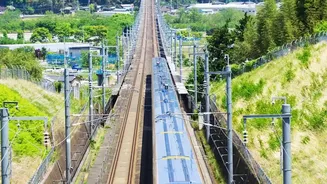
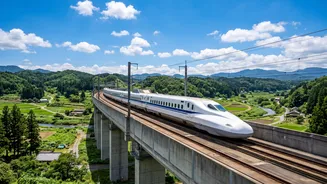
across Maharashtra, Gujarat, and Dadra and Nagar Haveli, will operate at speeds up to 320 km/h. Built using Japan's famed Shinkansen technology, known for its impeccable safety and punctuality, the project introduces a new standard of travel. The infrastructure itself is a marvel, featuring India's first undersea rail tunnel near Thane Creek. According to recent updates, the first section between Surat and Bilimora is expected to become operational in 2027, marking a tangible first step in this new era of transport.
The Engine of Economic Growth
The bullet train is designed to be a powerful economic catalyst. The National High-Speed Rail Corporation Limited (NHSRCL), which is executing the project, anticipates the creation of thousands of jobs—not just during the construction phase but also for its long-term operation and maintenance. The corridor connects major economic hubs like Mumbai, Surat, and Vadodara, which is expected to boost business, ease collaboration, and enhance productivity. Experts believe the high-speed link will spur development along its route, encouraging the growth of industrial corridors and leading to a boom in real estate and urban infrastructure around the new stations. By releasing capacity on existing railway lines, it will also allow for smoother movement of freight, tackling a key logistical bottleneck for Indian manufacturing.
A Symbol of a Modernising India
This project is as much about national pride as it is about passengers. Successfully building and operating a bullet train network elevates India into an elite global club of nations with high-speed rail capabilities. The collaboration with Japan involves significant technology transfer, training hundreds of Indian engineers and technicians in cutting-edge skills. Moreover, the project provides a major push for the 'Make in India' and 'Aatmanirbhar Bharat' initiatives. The government is leveraging the experience to foster an indigenous manufacturing ecosystem for high-speed rail components, from trainsets to slab tracks. In fact, the first indigenously manufactured test coach is already ready, with track testing slated for 2027, a major milestone in developing domestic capabilities that could serve future corridors.
The Steep Price of Progress
Despite its grand vision, the project has faced significant hurdles. The initial estimated cost of ⁱ1.1 lakh crore has seen revisions, with the final figure expected to be considerably higher. While 81% of the original cost is financed by a highly concessional loan from Japan, the sheer scale of the investment has drawn criticism. Land acquisition proved to be a major challenge, particularly in Maharashtra, leading to significant delays. These setbacks pushed the original timelines, though construction has gained significant momentum recently. Questions remain about the economic viability of the project and whether the high fares will be accessible to a wide segment of the population, ensuring the train doesn't become an exclusive service rather than a public utility.
A Blueprint for the Future
The Mumbai-Ahmedabad corridor is not intended to be a one-off achievement. It is being developed as a standardised template for a nationwide high-speed rail network. The engineering designs, construction methods, and operational strategies honed in this project will be replicated to accelerate the development of at least seven other proposed corridors across the country, including routes like Delhi-Varanasi and Chennai-Mysuru. The lessons learned—from managing complex engineering challenges like undersea tunnels to navigating land acquisition and cost escalations—will provide an invaluable playbook. The success of this first line is therefore critical; it will determine the pace and feasibility of India's ambition to connect its major cities with a web of modern, high-speed arteries.