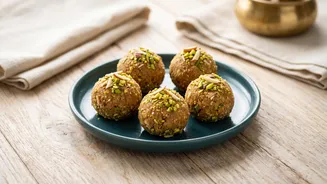



The Modern Twist: Sunth Panjiri Truffles
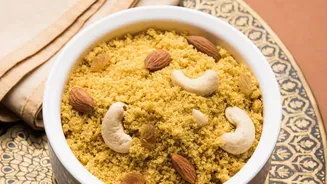
Panjiri is more than just a sweet; it is a revered prasad, especially during Janmashtami. Traditionally a loose, granular mixture of whole wheat flour or coriander powder roasted in ghee with nuts and spices, it’s considered one of Lord Krishna’s favourites.
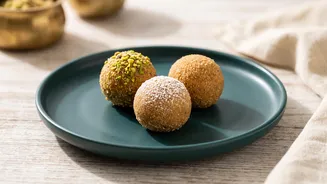
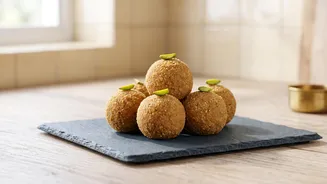
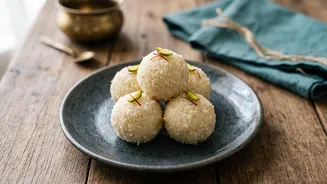
The inclusion of Sunth, or dried ginger powder, is significant. It not only adds a warming, pungent flavour but is also known for its digestive properties, making it ideal for breaking a day-long fast. While traditional Panjiri is a classic, this truffle version offers a modern, convenient twist. By binding the classic mixture into bite-sized balls, it becomes easier to serve and enjoy. To create these truffles, begin by roasting whole wheat flour or dhaniya (coriander) powder in ghee until it’s fragrant and golden brown. In a separate pan, lightly toast a medley of chopped nuts like almonds, cashews, and melon seeds. For the signature Sunth flavour, a generous pinch of dried ginger powder is essential. Once the flour has cooled slightly to avoid melting the sugar, combine it with powdered sugar, the toasted nuts, and the Sunth powder. A little extra melted ghee can be used to help bind the mixture. Roll small portions between your palms to form compact ladoo-like truffles. You can roll them in desiccated coconut for a final flourish. These truffles encapsulate the traditional flavours in a new, exciting form.
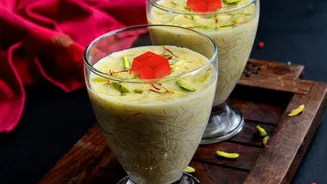
The Creamy Classic: Makhana Kheer
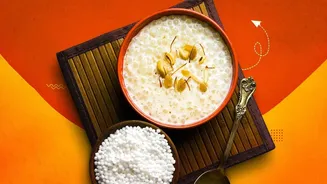
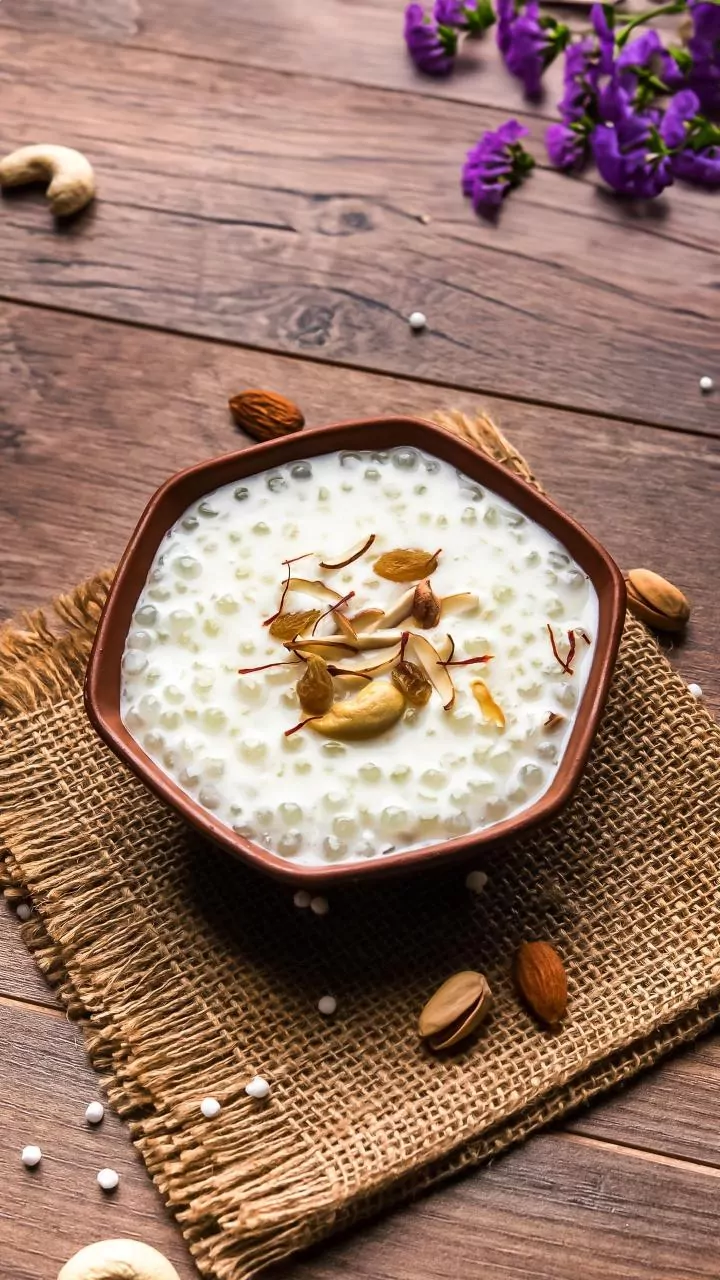
No festival is complete without a decadent kheer, and Makhana Kheer is a Janmashtami staple. Made from phool makhana (puffed lotus seeds), this dessert is both delicious and suitable for those observing a fast. The seeds themselves are light, nutritious, and transform into a wonderfully creamy texture when cooked in milk. The preparation is straightforward but requires a little patience. Start by roasting the makhana in a teaspoon of ghee until they become crisp. A great tip for a creamier kheer is to coarsely crush about two-thirds of the roasted makhana, leaving the rest whole for a delightful textural contrast. Next, bring full-fat milk to a boil in a heavy-bottomed pan and let it simmer until it reduces slightly. Add both the crushed and whole makhana to the milk and continue to cook on low heat, stirring regularly to prevent sticking. As the makhana softens and the milk thickens, add sugar to your desired sweetness, along with a pinch of cardamom powder and a few strands of saffron for colour and aroma. Finish by stirring in chopped nuts like pistachios and almonds. This kheer can be served warm or chilled, offering a comforting and rich taste of celebration.
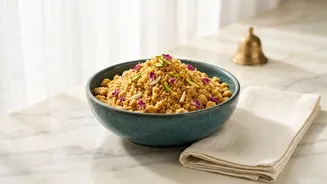
The Savoury Delight: Gopalkala
Gopalkala is a unique, savoury prasad that beautifully represents the playful spirit of Lord Krishna. The name itself brings to mind Krishna's childhood antics with his friends in Gokul. The dish is essentially a flavourful mix of simple, wholesome ingredients that require no cooking, making it incredibly easy to prepare. It is a speciality of Maharashtra, often associated with the Dahi Handi festival that accompanies Janmashtami. At its core, Gopalkala is a mixture of poha (flattened rice), curd, cucumber, and fresh coconut. To prepare it, first, lightly rinse the poha and let it soften for a few minutes before draining any excess water. In a bowl, combine the softened poha with fresh, whisked curd, finely chopped cucumber, and grated coconut. Season with a pinch of salt. The magic of Gopalkala lies in its tempering. Heat a teaspoon of ghee and add cumin seeds, letting them crackle before adding finely chopped green chillies and a pinch of asafoetida (hing). Pour this hot tempering over the poha mixture and mix everything gently. Some variations also include pomegranate seeds or soaked chana dal for added texture and flavour. This refreshing and flavourful dish is a perfect contrast to the sweet offerings and a tribute to Krishna's love for simple, everyday foods.